Jump to …
Store Openings Eclipse Store Closures So Far in 2026
Retail REIT Executives Say Physical Stores Gain Value in the Returns Era
Qdoba, Golden Chick, Toys R Us and Others Plan More Than 2,000 New Locations
725K SF of Retail Development Planned for Nashville and Salt Lake City Suburbs
CBRE Investment Management Acquires $1.6B Net Lease Portfolio
JLL and National Real Estate Advisors Make C-Suite Changes
Store Openings Eclipse Store Closures So Far in 2026
Reversing last year’s trend, store openings are outpacing store closures so far in 2026. As of Aug. 28, major U.S. retailers had announced 3,389 store openings and 3,262 store closures in 2026, according to Coresight Research’s U.S. Store Tracker Extra, August 2026. That works out to 127 net store openings, compared with 1,954 net store closures during the same period last year.
Retail REIT Executives Say Physical Stores Gain Value in the Returns Era
At Monday’s Barclays Global Financial Services Conference, three retail REIT executives underscored a key point: Undersupply has turned the physical store into a strategic asset rather than a cost center. The executives framed the brick-and-mortar store as beneficial for both retailers and landlords in the omnichannel era; retailers gain hubs for merchandise returns, while landlords enjoy a pricing and occupancy edge.
Tanger executive vice president, chief investment officer and CFO Michael Bilerman said a physical store provides infrastructure that can reduce costs for e-commerce returns. Without a local brick-and-mortar presence, he said, a retail brand “does not have value.” Kimco Realty president and chief investment officer Ross Cooper came at physical retail’s value in the returns game from a different angle. “With returns now much more difficult in terms of timing and cost, the retailer wants to get you to that store to shop, and if you’re buying in the store, chances are you’re going to return less,” he said.
Against that backdrop and amid retail property supply constraints, retailers must pounce on vacancies, Phillips Edison & Co. CFO John Caulfield said. “They know the locations in the market where they want to be, and if there is a rare [vacant space] available, they need to act then because their opportunity to get to that space is a decade-plus away, if not more than that.”
Qdoba, Golden Chick, Toys R Us and Other Brands Plan More Than 2,000 New Locations
Restaurant, convenience, grocery, specialty retail and service-sector brands are adding locations. Qdoba, Golden Chick and Camp Bow Wow are pursuing significantly larger footprints, while Alimentation Couche-Tard and The Fresh Market are mapping out longer-term expansion. Toys R Us is adding 120 seasonal pop-up shops ahead of the holidays, and Meta Lab is nearly doubling its standalone store count.
Qdoba Aims To Open About 100 Locations a Year Through 2033
Fast-casual restaurant chain Qdoba is on a fast track toward more than doubling its store count. Qdoba and its franchisees operate about 875 restaurants, and the company plans to open about 100 restaurants annually over eight years in pursuit of a U.S. footprint of roughly 2,000 stores. Qdoba’s target markets include Atlanta, with 30 new locations on tap; Nashville, Tennessee, with 20; and San Diego, with 17.
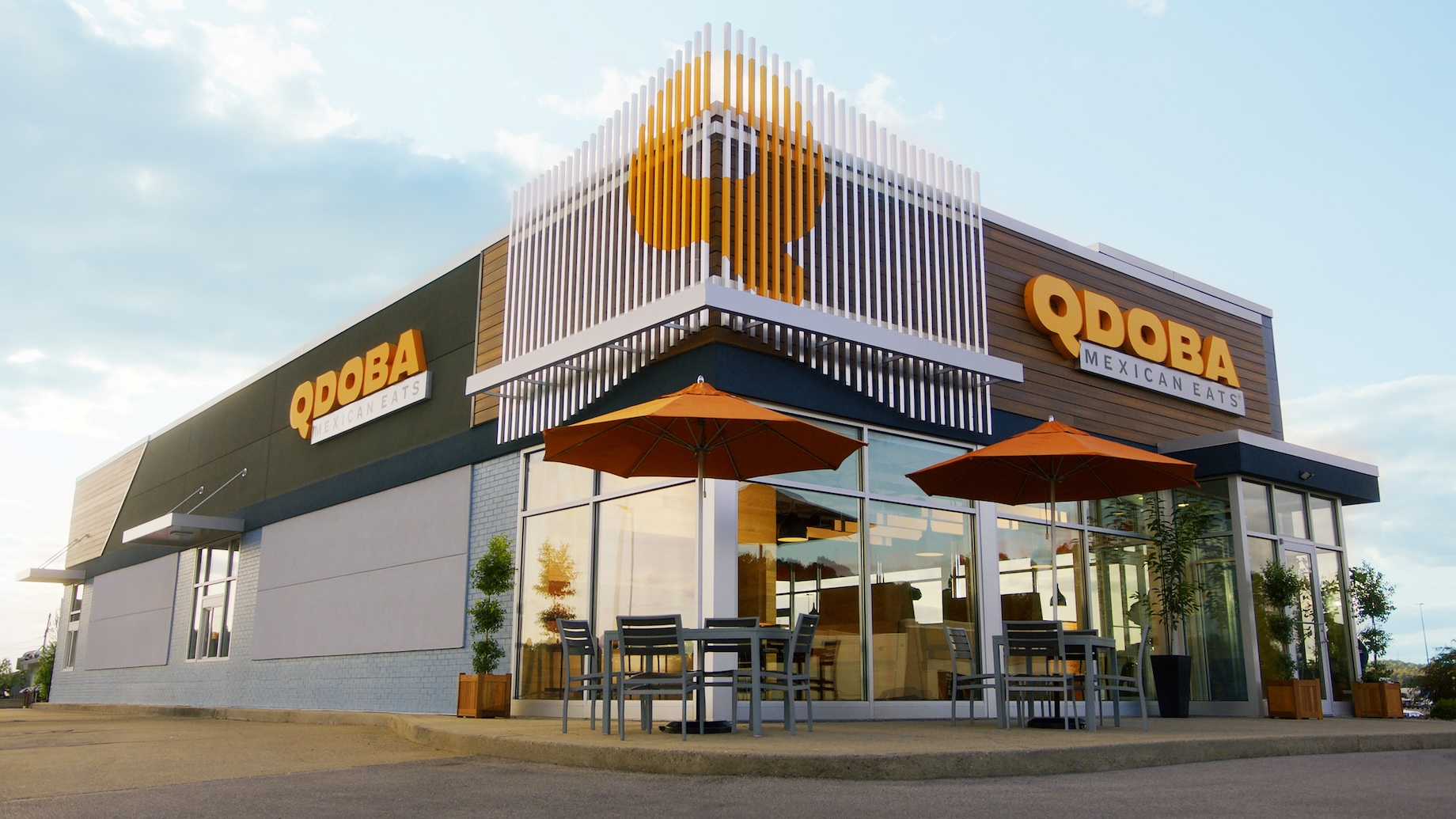
Qdoba plans to more than double its current footprint, aiming for about 2,000 stores. Photo courtesy of Qdoba Mexican Eats
Alimentation Couche-Tard Targets 750 New Convenience Stores by 2030
Canada-based convenience store conglomerate Alimentation Couche-Tard is plotting the addition of 750 new locations by 2030. That total includes 26 stores the company added in North America and Europe during the first quarter of fiscal year 2027, which ended July 19, as well as more than 40 stores that were under construction during the quarter. Altogether, Alimentation Couche-Tard plans to open more than 100 stores in fiscal year 2027. The company owns three c-store brands — Circle K, Couche-Tard and Ingo — that operate more than 17,000 stores.
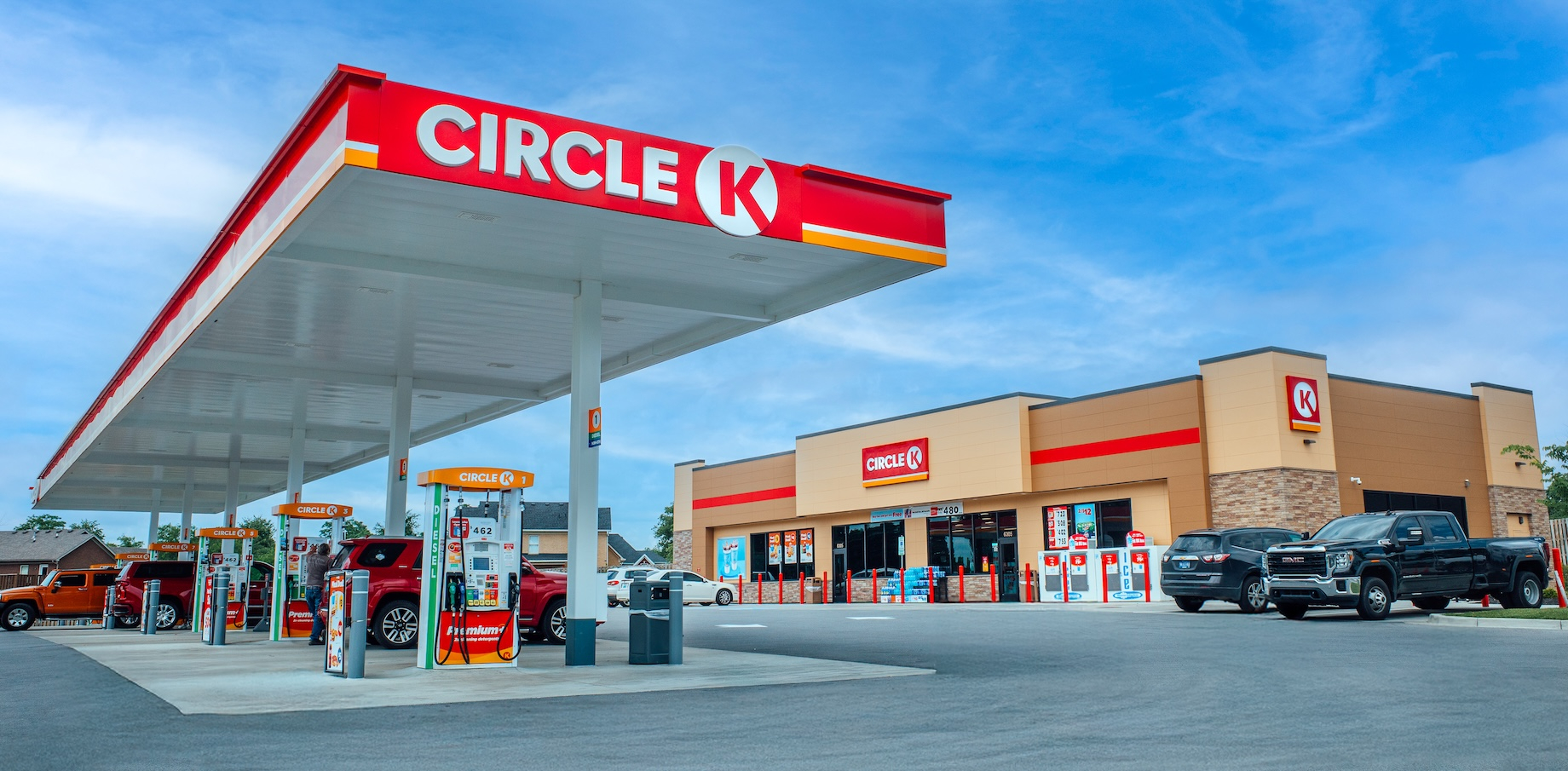
Alimentation Couche-Tard operates nearly 7,300 Circle K stores in the U.S., including this location in Louisville, Kentucky. Photo courtesy of Alimentation Couche-Tard
MORE FROM C+CT: C-Stores Are Moving Deeper Into QSR Territory
Golden Chick Aims for More Than 400 Stores by 2030
Golden Chick has hatched an ambitious growth plan. The quick-service restaurant chain is opening 27 to 30 new locations this year as it aims for more than 400 stores by 2030, according to QSR. Target markets include Arizona, Arkansas, Kansas and Missouri. Golden Chick operates more than 250 locations. “The current landscape of the fast-food industry shows that the great chicken wars have not been won. The market remains as competitive as ever, with various franchises and legacy brands seeking to carve out their own niche in the market,” the chain said.
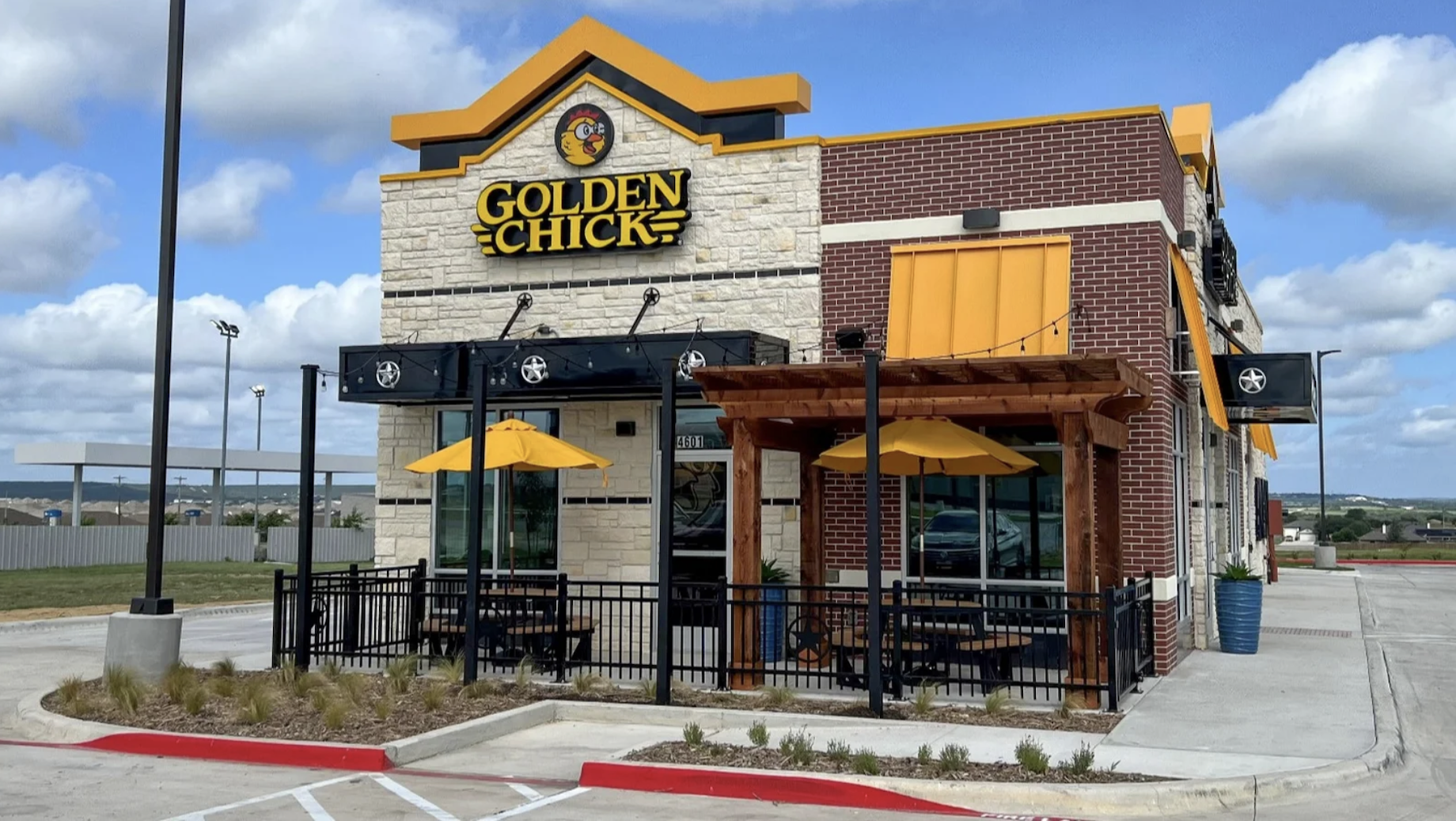
Golden Chick operates more than 250 restaurants nationwide. Photo courtesy of Golden Chick
Toys R Us Will Open 120 Pop-Up Shops Ahead of Holiday Shopping Season
Toys R Us is adding 120 temporary pop-up shops in the U.S. ahead of the holiday shopping season. The seasonal locations will join the 40 permanent stores the retailer operates around the country. Toys R Us teamed up with Go Retail Group to roll out the pop-ups. In addition to its temporary and permanent stores, Toys R Us operates hundreds of shop-in-shops at Macy’s stores and Navy Exchange Service Command locations. The retailer also has entered the airport market, opening a shop-in-shop at Orlando International Airport in August, with a second location there planned for next summer.
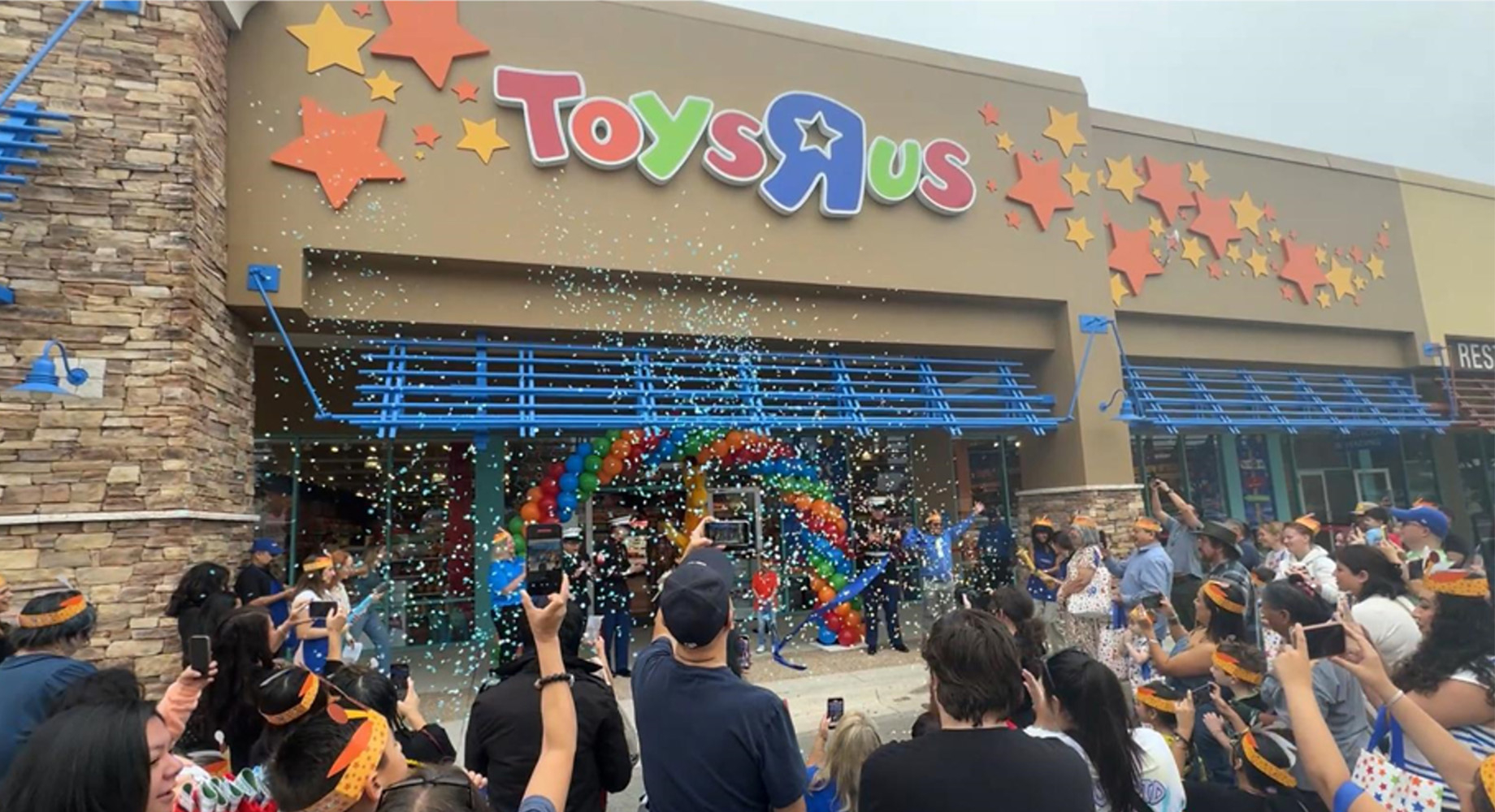
Toys R Us opened this location in Texas’ Tanger San Marcos in November 2024. Photo courtesy of Toys R Us/PR Newswire
The Fresh Market Eyes 200 Stores After Topping USA Today Grocery Ranking
The Fresh Market, which is in expansion mode, just bagged the top ranking in the grocery category of the USA Today 10Best Readers’ Choice Awards 2026. The 172-store chain focuses on fresh produce and private-label items. Inspired by European food markets, the grocer gives “a more intimate and personalized experience” than warehouse-style grocery stores, USA Today wrote. Brian Johnson, president and CEO of The Fresh Market, told the Charlotte Business Journal this summer that he’s targeting a store count of about 200 by 2031.
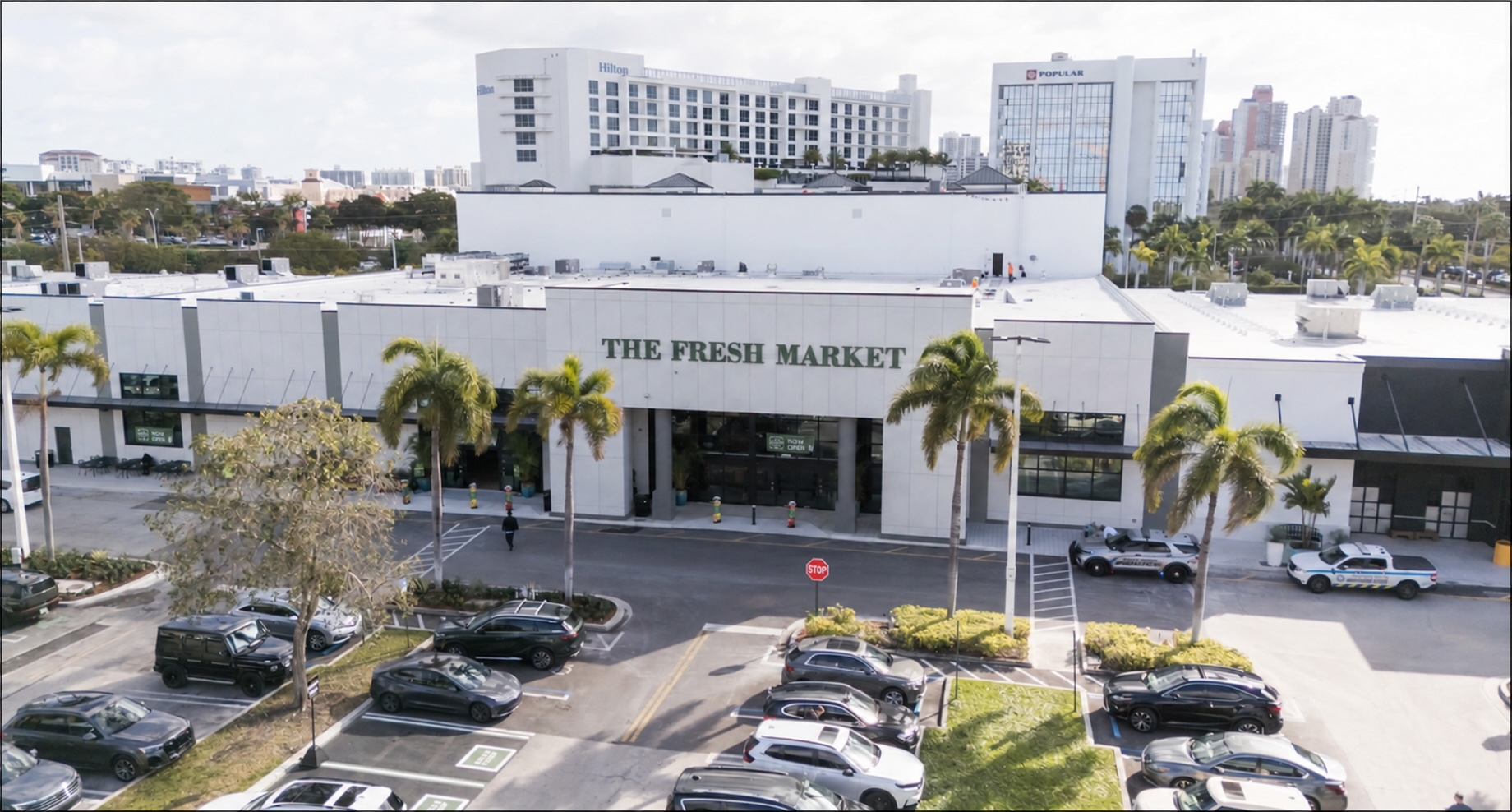
The Fresh Market opened this store in Aventura, Florida, in February. Photo courtesy of The Fresh Market/Business Wire
Camp Bow Wow Plans 25 New Locations in 2027
Camp Bow Wow wants to take a bigger bite of the market for dog daycare and boarding. The brand is on target to open 10 locations this year and add 25 next year, Franchise Times reported. Founded in 2000, the Propelled Brands-owned Camp Bow Wow has more than 220 franchised locations in North America. Many locations range from 8,000 to 12,000 square feet, although a new downsized concept measures 6,000 square feet.
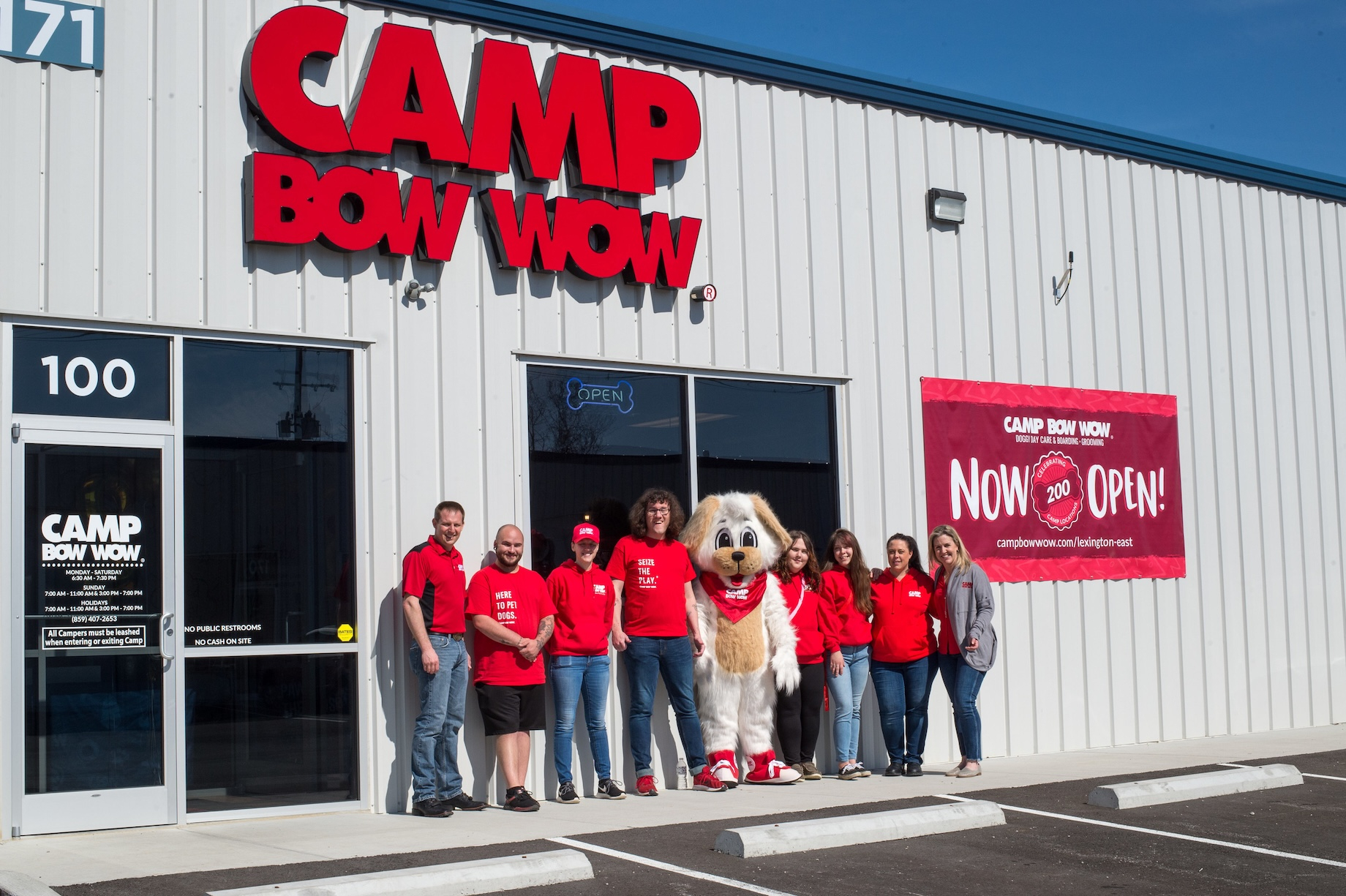
Camp Bow Wow opened its 200th location four years ago in Lexington, Kentucky. Photo courtesy of Camp Bow Wow/PR Newswire
Meta Lab Expands Standalone Store Footprint With 6 New Locations
Meta Platforms, owner of Facebook and Instagram, is nearly doubling the number of standalone stores selling its AI glasses. A Meta Lab store recently opened in Houston, and locations are coming soon to Atlanta, Chicago, New York City’s Moynihan Train Hall, San Diego and Scottsdale, Arizona, according to Modern Retail. Before the Houston store opened, Meta Lab operated eight standalone stores in the U.S. In addition, Meta Lab is on track to operate 50 shop-in-shops at Best Buy stores by the end of 2026.
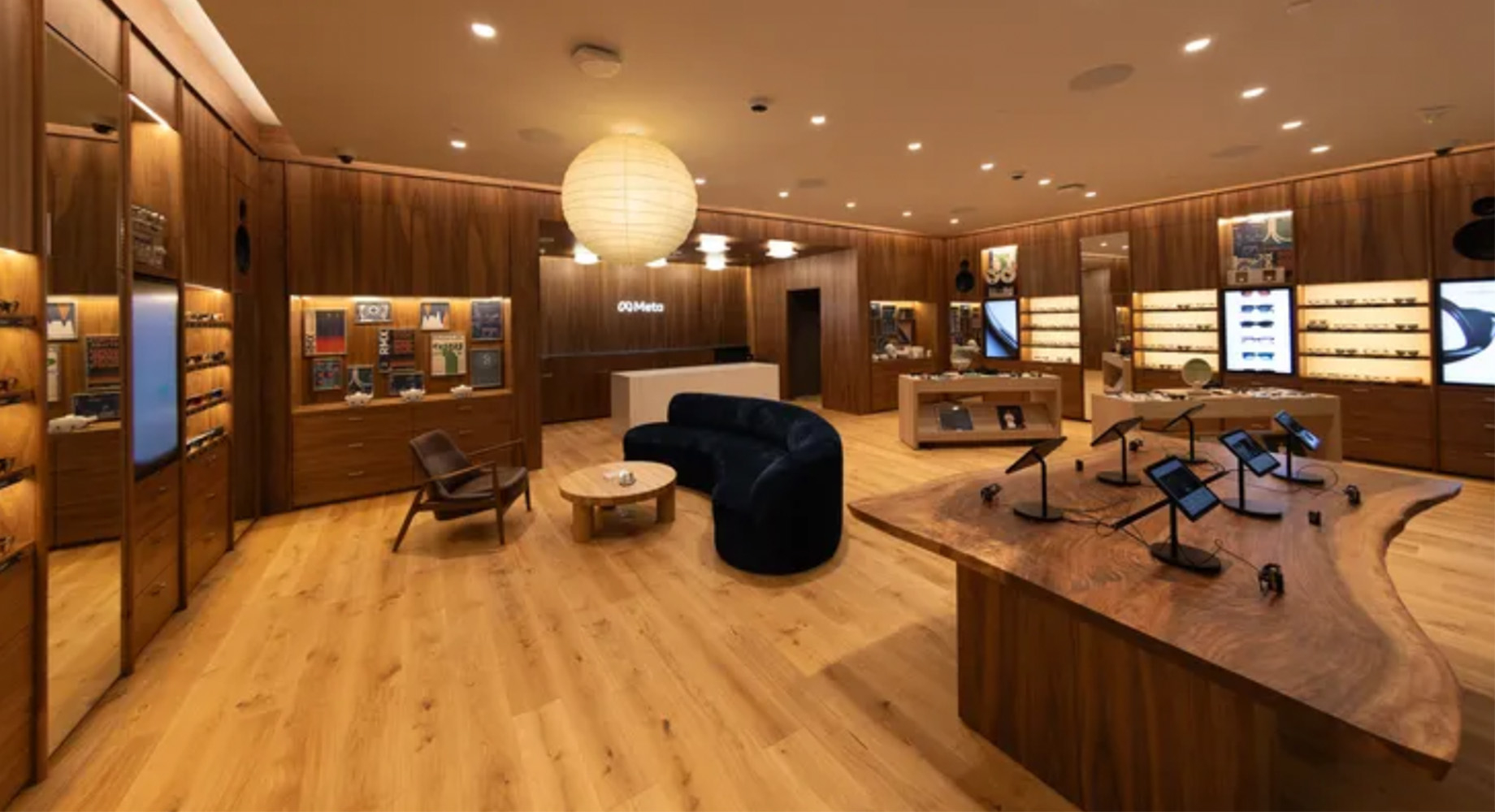
Meta Lab debuted its first Texas store on Sept. 10 in Houston. Photo courtesy of Meta Lab
725K SF of Retail Development Planned for Nashville and Salt Lake City Suburbs
A nearly 300,000-square-foot retail center is on tap for Gallatin, Tennessee, and a mixed-use project with an eventual 425,000 square feet of retail is planned in Vineyard, Utah.
GBT Realty Will Develop Nearly 300K-SF Shopping Center Near Nashville
Developer and investor GBT Realty will build what it said will be the largest new retail destination in the Nashville, Tennessee, metro since 2015. GBT will develop the nearly 300,000-square-foot Crossroads of Gallatin in suburban Nashville on a nearly 43-acre site. The site plan calls for units ranging from 5,000 to 55,000 square feet, another 30,000 square feet of divisible retail space and six outparcels ranging from 1 to 1.7 acres.
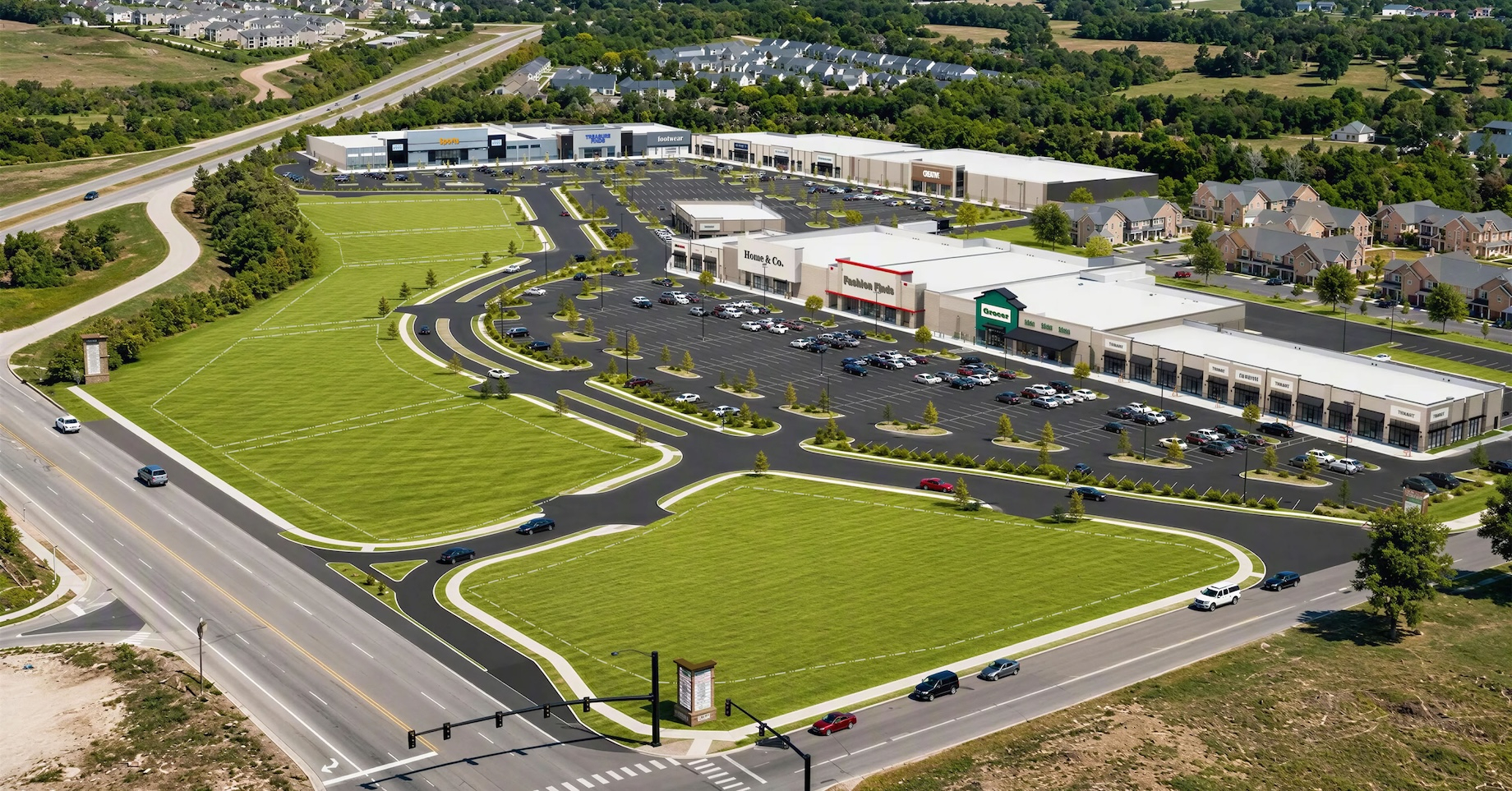
GBT Realty’s Crossroads of Gallatin will encompass almost 43 acres. Rendering courtesy of GBT Realty
First Phase of Mixed-Use Development Near Salt Lake City Will Include 250K SF of Retail
The first phase of a 700-acre mixed-use development in Vineyard, a Salt Lake City suburb, will feature a 250,000-square-foot retail district. Broad Street, the retail district within the larger Utah City mixed-use development, will offer a mix of retail, dining, wellness and service concepts. Construction of Broad Street is scheduled to start next spring. Other first-phase components of Utah City include more than 2,800 residences, over 355 hotel rooms and a music venue. At full buildout, Utah City will encompass 17 million square feet, including 425,000 square feet of retail. A Huntsman Cancer Institute campus will be one of the project’s anchors.
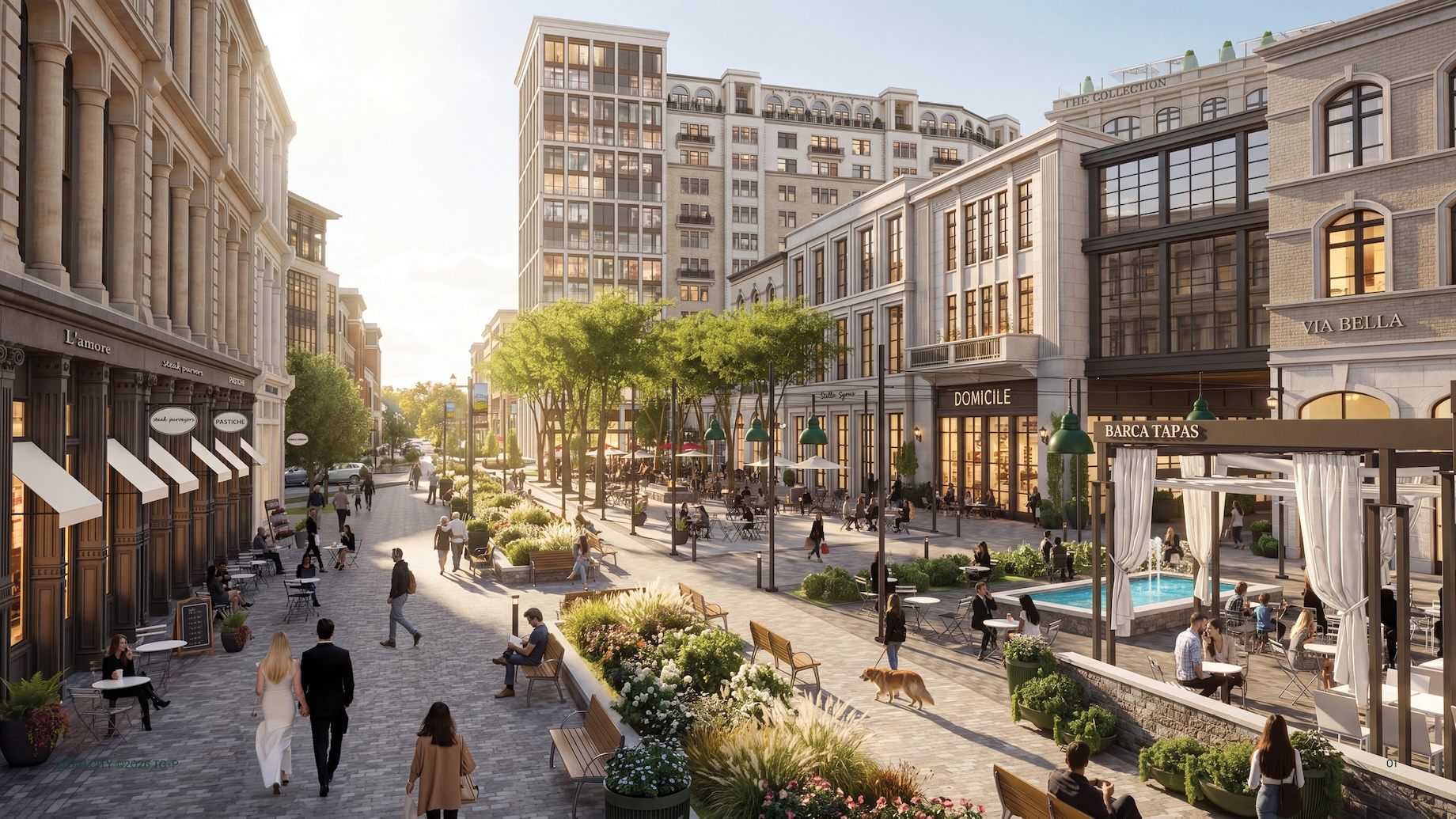
The Utah City mixed-use development in Salt Lake City will include 425,000 square feet of retail. Rendering courtesy of Odyssey Retail Advisors
CBRE Investment Management Acquires $1.6B Net Lease Portfolio
CBRE Investment Management is diving deeper into the net lease business with its acquisition of Tenet Equity. The REIT’s fully leased $1.6 billion portfolio of 208 net lease properties spans 12 million square feet in 39 states. The portfolio includes properties in the grocery, furniture, restaurant, entertainment and fitness categories.
JLL and National Real Estate Advisors Make C-Suite Changes
JLL has a new COO, and National Real Estate Advisors will get a new CEO in January.
JLL Promotes Paul Morgan to Newly Created COO Role
JLL has promoted Paul Morgan to COO. JLL created the COO position as part of its Accelerate 2030 strategy. Reporting to president and CEO Christian Ulbrich, Morgan now sits on JLL’s Global Executive Board. Morgan had been COO of JLL’s real estate management services business; he joined the company in 2016.

Paul Morgan is now COO of JLL. Photo courtesy of JLL/PR Newswire
Kevin Verdi Will Succeed Founder Jeffrey Kanne as National Real Estate Advisors CEO
Kevin Verdi will succeed Jeffrey Kanne as president and CEO of National Real Estate Advisors in January. Verdi is the investment management firm’s executive vice president and chief investment officer. Kanne, who founded the firm in 2000, is retiring but will remain aboard as a special adviser. The firm develops and operates commercial real estate properties, including retail and mixed-use assets, and infrastructure projects across the U.S.

Kevin Verdi, at left, will step up to replace retiring president and CEO Jeffrey Kanne at National Real Estate Advisors. Photos courtesy of National Real Estate Advisors/PR Newswire
By John Egan
Contributor, Commerce + Communities Today