The Short Version
- Major c-store chains are expanding fresh and made-to-order food offerings, including pizza, chicken, tacos, sandwiches and other items that overlap with quick-service menus.
- Operators are using food service to diversify revenue, strengthen customer loyalty and give shoppers more reasons to visit beyond fuel and traditional convenience purchases.
- C-store food service growth has not slowed QSR expansion materially, and restaurant brands continue to pursue new locations despite tighter site availability.
- The overlap is creating more direct competition for consumer spending and, in some developments, for sites, access and restrictive covenants.
Fresh Food and Made-to-Order Menus Are Becoming Central to the C-Store Model
Major convenience store brands are adopting or fortifying freshly prepared food strategies that look nothing like the typical gas station fare of the past. Instead of pre-made sandwiches encased in cellophane or hot dogs spinning on rollers, c-store chains are offering made-to-order items found on the menus at quick-service restaurants — chicken, tacos, sandwiches, hamburgers and pizza, to name a few categories.
The growing emphasis on enhanced food service represents a sea change in the c-store industry, said Dennis Ruben, executive managing director of NRC Realty & Capital Advisors, a firm that specializes in the sale of c-stores. C-stores are looking for ways to increase profitability and strengthen customer loyalty as electric vehicles, oil price volatility and growing health awareness influence demand in an increasingly competitive industry.
Fuel margins, for example, have declined by more than half to around 30 to 40 cents per gallon from a few years ago, he said. Similarly, cigarettes accounted for about 19.6% of c-store in-store sales in 2025, down 6.3 percentage points from 2021, according to a tobacco sales analysis by Convenience Store News. Meanwhile, nearly 60% of consumers likely would choose one c-store brand over another because of exclusive food items, according to the Convenience Store Trends Report 2026 from customer experience solutions firm Intouch Insight.
“Most of the convenience store operators have figured out that they can’t place primary reliance on fuel sales and that the days of someone coming in to buy a pack of cigarettes are over,” Ruben said. “They have to offer something different, and they’re focusing on food service.”
Casey’s General Stores president and CEO Darren Rebelez told an investor day audience in June that Casey’s is positioned at the intersection of the QSR and c-store sectors. The chain long has been known for its made-from-scratch pizza, and about two-thirds of its 3,000 stores operate in towns with fewer than 20,000 residents, primarily in the Midwest and South. It recently launched sauced wings and fries in an initial 850 locations as part of a broader three-year growth initiative launched in the spring of 2023 that included diversifying its food program, improving operations and expanding its national footprint. In that time, Casey’s added 504 stores through organic growth and acquisitions.
“Our guests can visit our stores and simultaneously get a hot meal, a cool beverage, and fuel their vehicle all with one trip,” Rebelez said. “This helps drive consistent visits and creates a loyalty guest base that’s coming to our stores throughout the day for a one-stop shop across categories.”
Fresh Food Becomes a Bigger Part of the C-Store Playbook
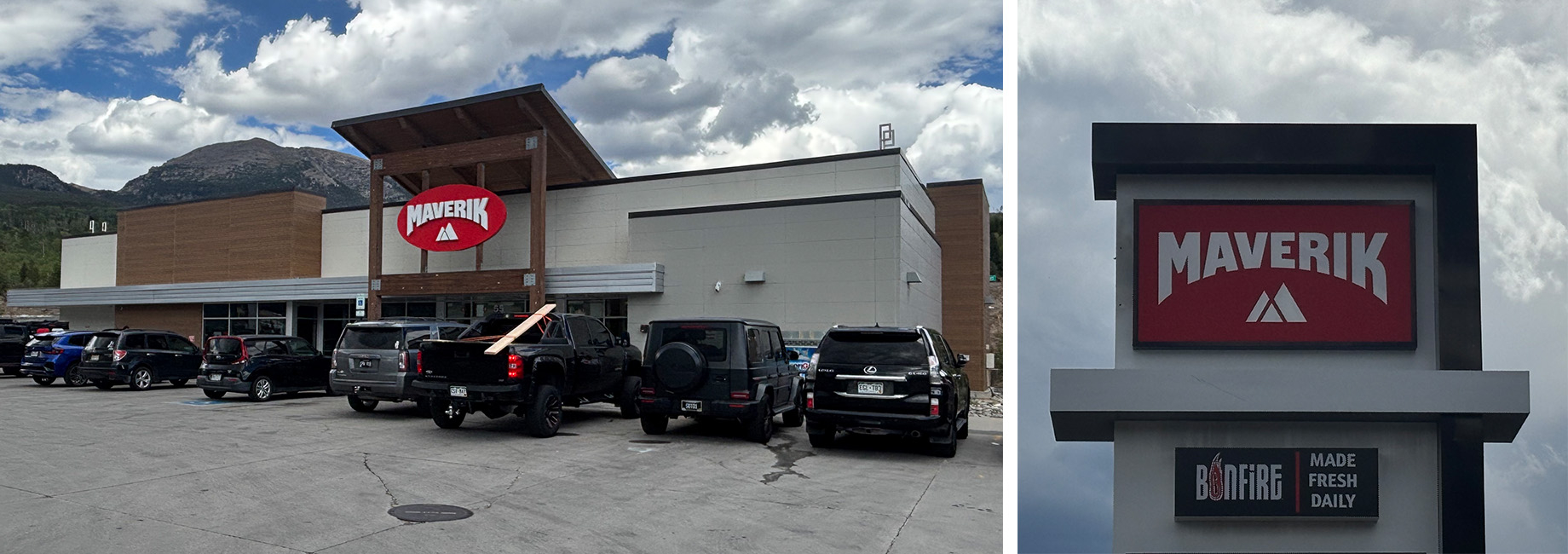
Maverik completed a rebranding of Kum & Go locations in 2025 after it purchased the chain in 2023. In Frisco, Colorado, the change included the addition of its BonFire concept. Photos by Joe Gose
Fresh food offerings aren’t new in c-stores. Wawa opened food-oriented markets in the 1960s and expanded to hoagies and other fresh goods before offering gasoline in 1996. More recent initiatives include a greater emphasis on fresh food at 7-Eleven, whose parent company, Seven & I Holdings, has been expanding its Raise the Roost Chicken & Biscuits and Laredo Taco Company concepts into additional stores and markets. Maverik has extended its BonFire program into former Kum & Go stores as it rebrands locations acquired with the chain in 2023, and QuikTrip is doubling the size of its QT Kitchens in its new Generation 4 store format.
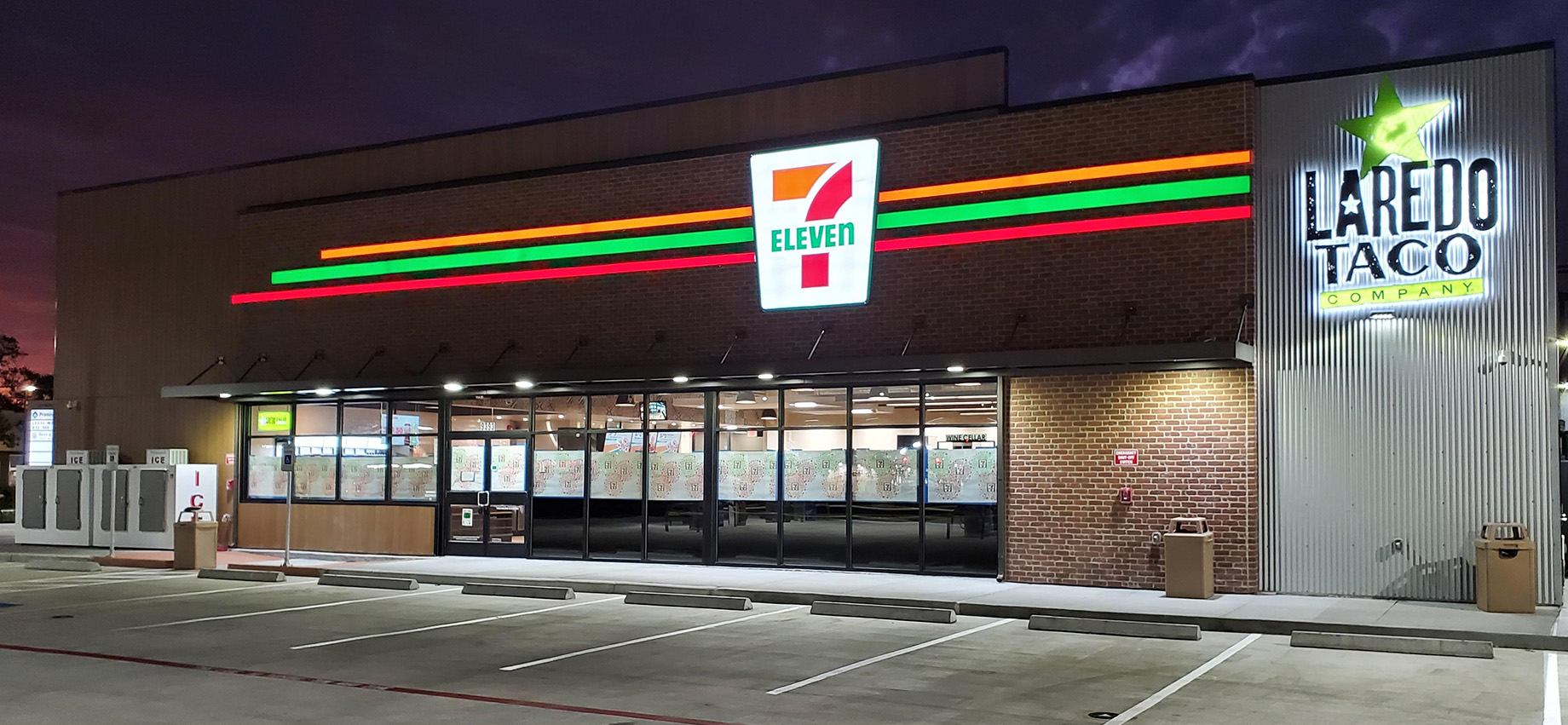
Seven & I Holdings, the parent company of 7-Eleven stores, is introducing more food options in its heavily franchised convenience store chain as part of a format modernization program. The expansion includes the addition of its Laredo Taco Company and Roost Chicken & Biscuits concepts in the units. Photo above and at top courtesy of 7-Eleven
In addition to building brand allegiance, fresh food options tend to deliver higher margins, said Timothy Nichols, a senior director of investments with Marcus & Millichap who specializes in c-store properties. He expects c-store footprints to continue to grow to accommodate made-to-order fare. That’s likely to include more drive-thrus that allow people to order via mobile app, he added. Wawa this year introduced Fly-Thru windows for mobile-order pickup after abandoning an experiment with traditional drive-thrus.
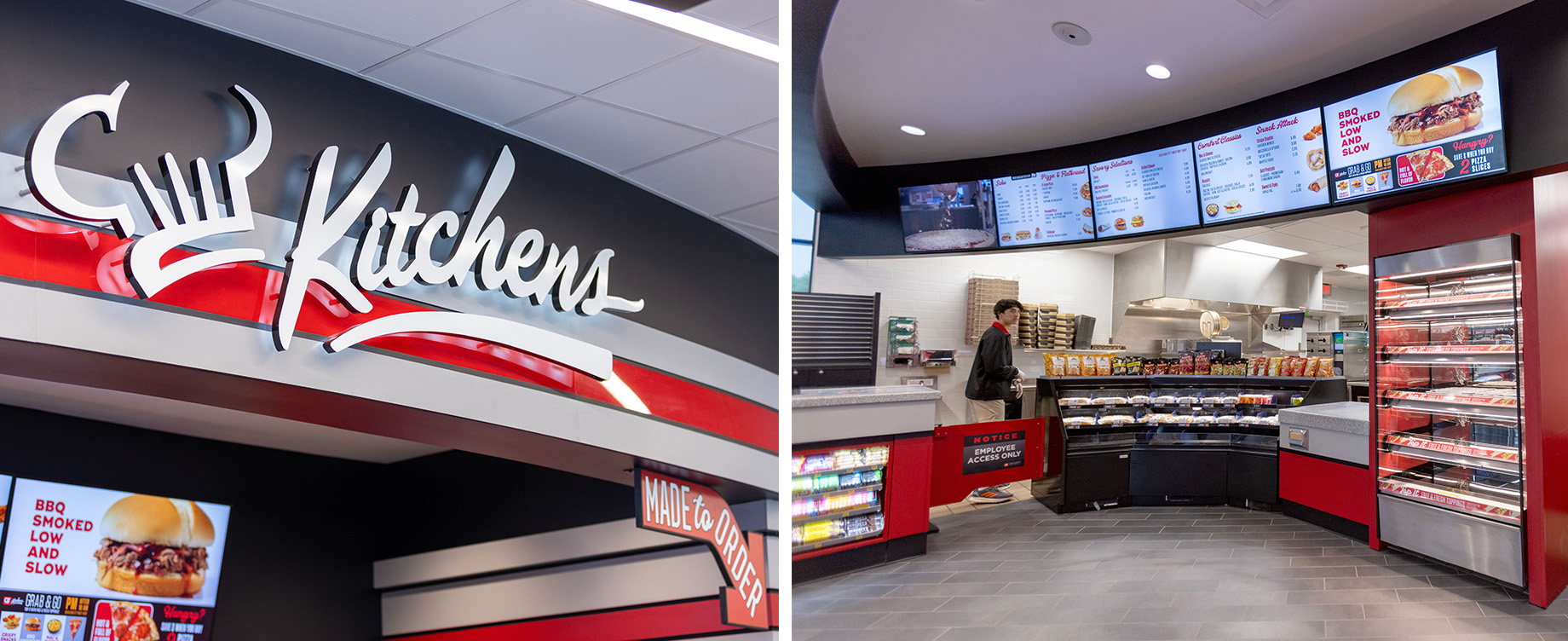
QuikTrip is doubling the size of QT Kitchens in its new 6,400-square-foot Generation 4 format, which increases the standard store footprint by 1,000 square feet. QuikTrip rolled out the first Gen 4 site, pictured here, in Broken Arrow, Oklahoma, in April. Images courtesy of QuikTrip Corporation
QSR Expansion Continues Despite Growing C-Store Competition
To date, however, the c-store made-to-order strategy has yet to materially affect QSR expansion plans, observers say. Prepared food has not yet become a primary trip driver for most c-store customers: Only 27% of survey respondents in the Intouch Insight report indicated that prepared meals or fresh food were among the reasons they had visited a c-store.
In particular, Yum Brands, Cava Group, Shake Shack and other publicly traded companies still need to increase store count and revenue or risk taking a hit from their shareholders, said Peter Block, an executive vice president and leader of the retail investment practice group at Colliers. What’s more, limited real estate options continue to drive creative solutions in the industry. Block is working with a client that acquired a restaurant in Wisconsin and is dividing it into two spaces, with plans to add a drive-thru to one space for a QSR, he said. And WOWorks, the parent company of a handful of fast-casual concepts like Saladworks and Barberitos, is offering $5,000 cash bonuses to brokers and other industry contacts to secure “high-performing” retail locations.
“The good QSR brands are still expanding, and they’re always looking to be in proximity to an anchor like a Walmart or grocery store,” Block said. “The industry has had some bumps in the road, but revenues for many restaurant groups have generally been good and growing.”
QSR Real Estate Remains in High Demand
Real estate investors remain enamored with QSRs, too, said Patrick Nutt, senior managing principal and co-head of national net lease for SRS Real Estate Partners in Orlando, Florida. A Taco Bell his team sold over the summer received 14 offers, and many of his current QSR opportunities in Florida and Texas feature cap rates of between 4 and 5%, reflecting investor demand. But the broadening fresh-food strategies among c-stores only heightens competition for discretionary dining budgets, Nutt added, as $1 spent at Wawa or Casey’s is one less spent at McDonald’s, Wendy’s or Chick-fil-A.
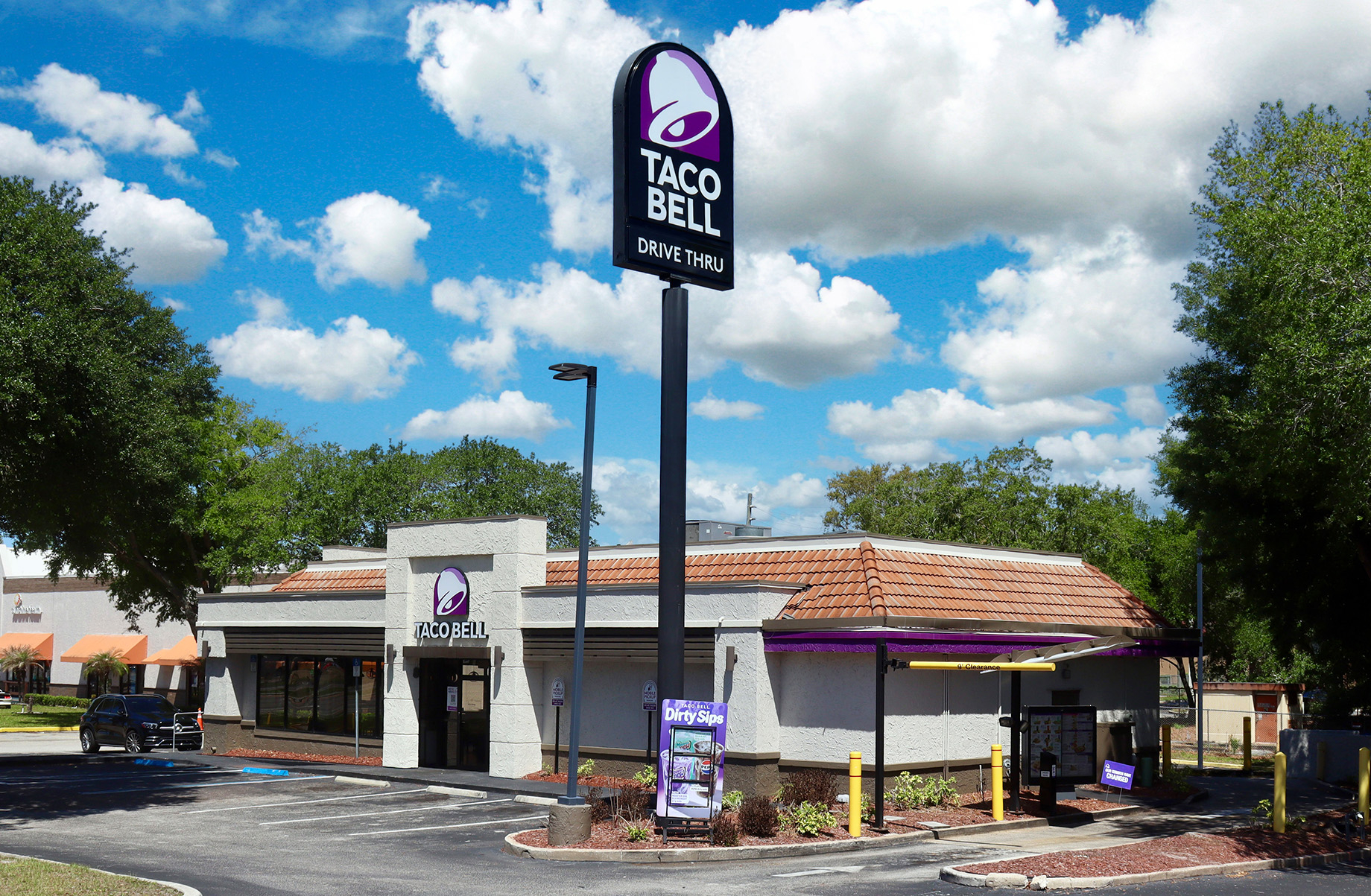
SRS Real Estate Partners this summer arranged the sale of a Taco Bell in Orlando, Florida, operated by a franchisee with multiple units. The asset received 14 offers amid continuing strong demand for quick-service restaurant net lease assets. Photo courtesy of SRS Real Estate Partners
C-Stores and QSRs Compete for Sites — and Exclusivity
For now, QSRs and c-stores sometimes compete over restrictions that would prevent the other from operating on nearby parcels that share access roads, Nutt said. Typically, the first one to occupy a site can exert the most influence, he said, but the two parties usually negotiate a solution that often includes access agreements at other properties. Still, c-stores tend to have greater leverage when considering the rent or price paid for a parcel and its size, he added.
“Both industries are rolling out new stores, but I think c-stores have a little more ability to restrict a QSR than the QSR has to restrict a c-store,” Nutt explained. “C-stores have multiple income streams — gas, food and convenience items — so from a landlord’s perspective, the c-store is going to get more deference.”
By Joe Gose
Contributor, Commerce + Communities Today