The 2026 forecasts for the U.S. Marketplaces Industry are flowing, from the leading categories for new-store growth to brands to watch and retail markets to grocery-anchored retail, plus investment sales transaction volume, construction starts and more.
Jump to ...
Which Categories Will Lead New-Store Growth
Retail Tenants To Watch
Consumer Markets To Watch
How Much Retail Space the Market Will Absorb
How Much Retail Rents Will Increase
Where Valuations Will Go
Which Properties Will Deliver the Highest Returns
Which Direction Investment Momentum Is Headed
Construction Deliveries Versus Construction Starts
A Grocery-Anchored Development Hot Spot
Canada’s Retail Demand and Vacancy Improvement
Which Categories Will Lead New-Store Growth
Retailers in the off-price, beauty and discount categories will lead new-store growth this year, according to Telsey Advisory Group’s TAG Insights: Store Opening & Closing Analysis. The consulting firm predicts that store openings, excluding restaurants, will grow 1.4% in 2026, up from the 0.7% currently estimated for 2025. Including restaurants, the forecast jumps to 1.8%, up from an estimated 1% in 2025.
MORE FROM C+CT: How 11 Retailers Are Recalibrating Their Store Footprints
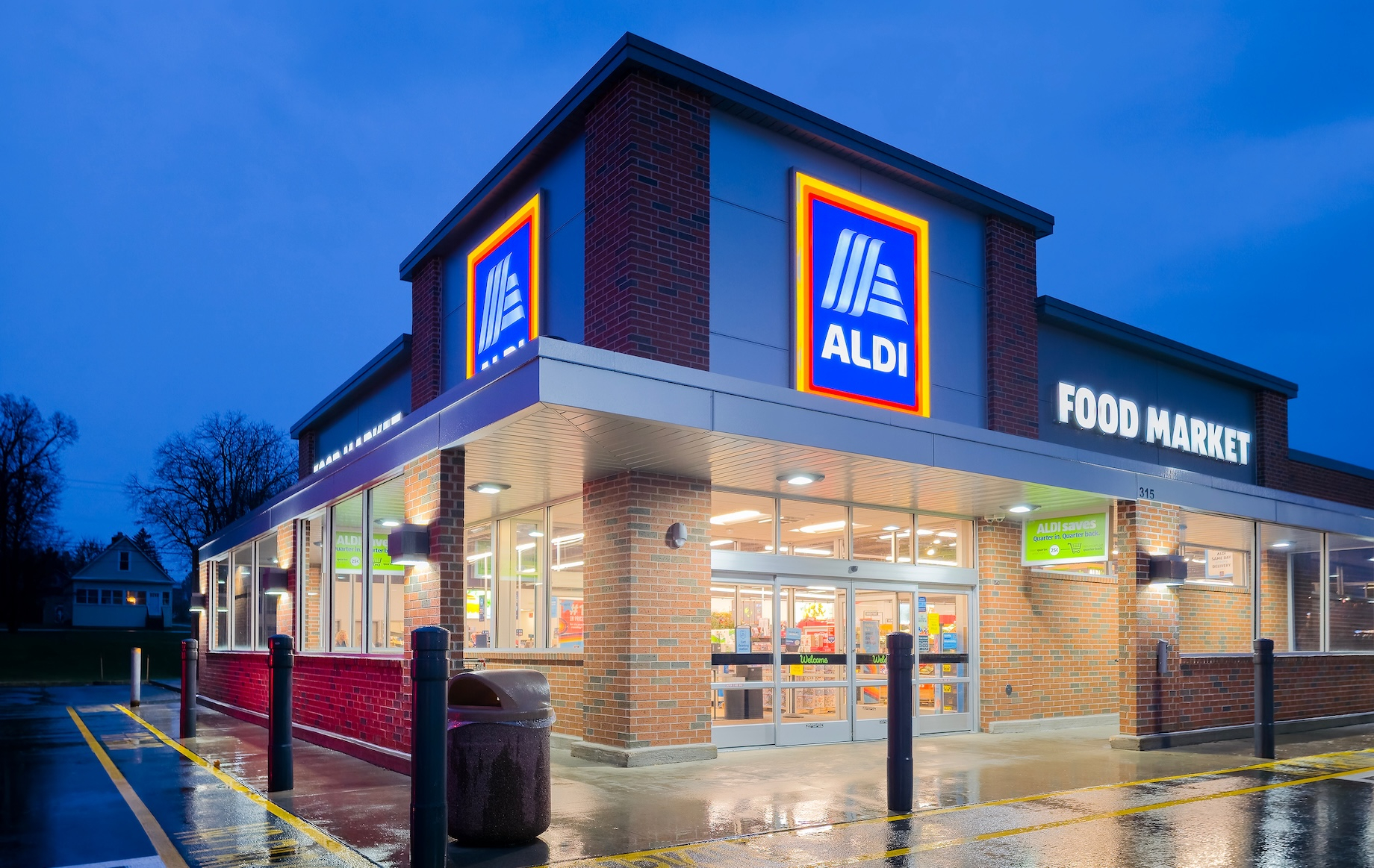
Aldi plans to add more than 180 stores in 31 states in 2026. Photo credit for image above and at top: Mahmoud Suhail - stock.adobe.com
Retail Tenants To Watch
Placer.ai named 10 store operators in an unranked list of retail brands to watch:
• H-E-B
• Michaels
• Walmart
• Dillard’s
• Pop Mart
• 7 Brew
• Dave’s Hot Chicken
• HomeGoods/Homesense
• EōS Fitness
• Chuck E. Cheese
“H-E-B exemplifies the single most important trend in retail: the need for a brand to have authenticity and a clear reason for being,” Placer.ai said of the grocery chain.
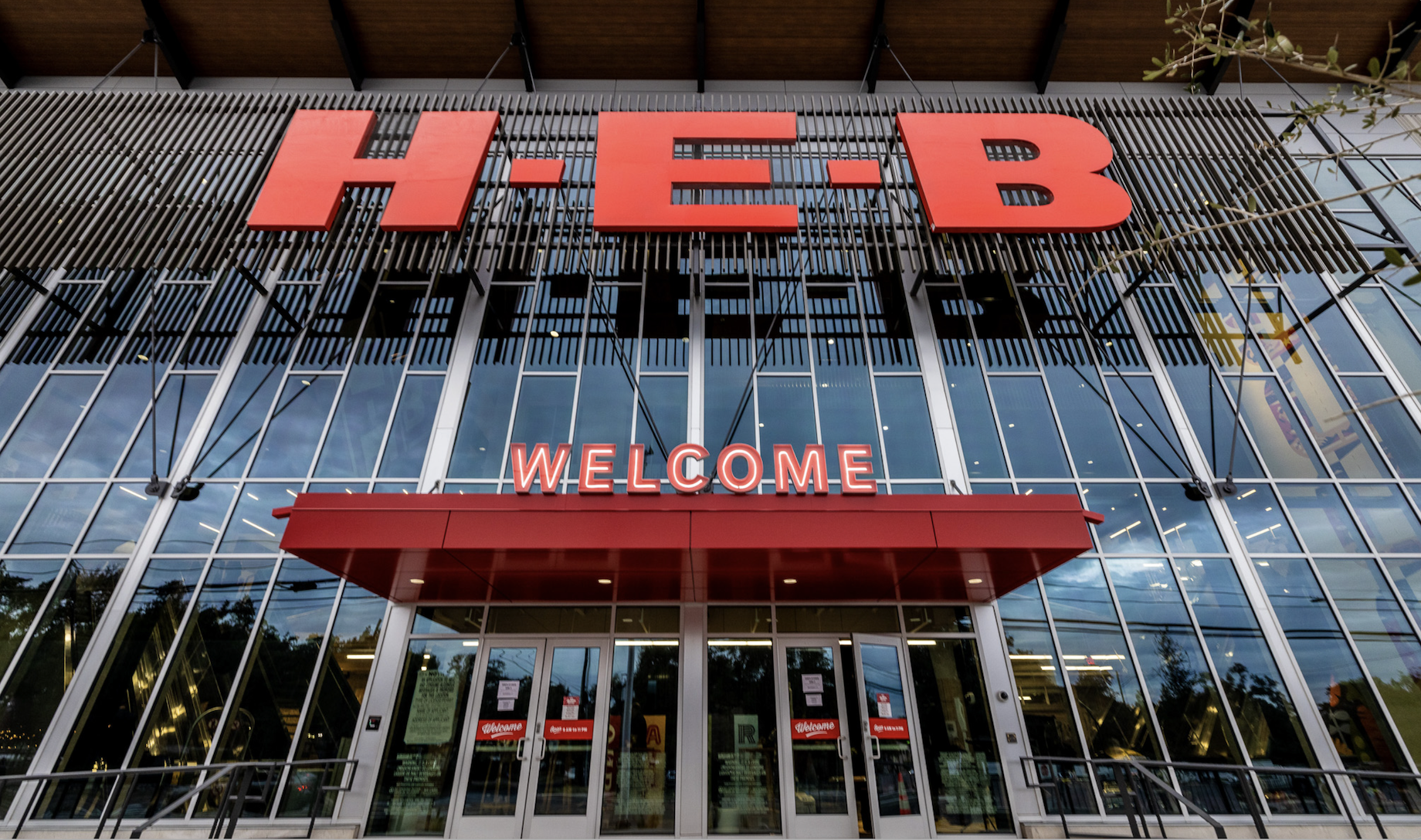
Texas grocery chain H-E-B is among Placer.ai’s 10 retail brands to watch this year. Photo courtesy of H-E-B
Consumer Markets To Watch
Placer.ai also listed five small and midsize metros as consumer markets to watch in 2026, based on above-average growth in population, in retail locations and in restaurants:
- Salt Lake City
- Reno, Nevada
- Indianapolis
- Raleigh-Durham, North Carolina
- Tampa-St. Petersburg, Florida
How Much Retail Space the Market Will Absorb
CoStar expects net absorption of retail space to average 3.8 million square feet per quarter in 2026, well below the previous five-year average of 9.8 million. Furthermore, the data and analytics provider anticipates a rise in retail vacancy through the first half of the year, peaking at less than 4.4% in the latter half of 2026.
How Much Retail Rents Will Increase
The ongoing shortage of new retail space should result in average nationwide rent growth of about 1.5%, according to Colliers’ 2026 Outlook Report | The CRE Reset: Stability Through Uncertainty. The report said new retail construction is expected to fall 37% in 2026. “Disciplined development and strong tenant expansion activity” will keep retail supply tight, it noted.
Where Valuations Will Go
Bolstered by the strong performance of grocery-anchored and neighborhood shopping centers, retail real estate enjoys “solid momentum” entering 2026, according to J.P.Morgan’s 2026 Commercial Real Estate Outlook. “We’re seeing the strongest valuations in a decade across active shopping centers, excluding regional malls,” said J.P.Morgan head of real estate banking Burke Davis.
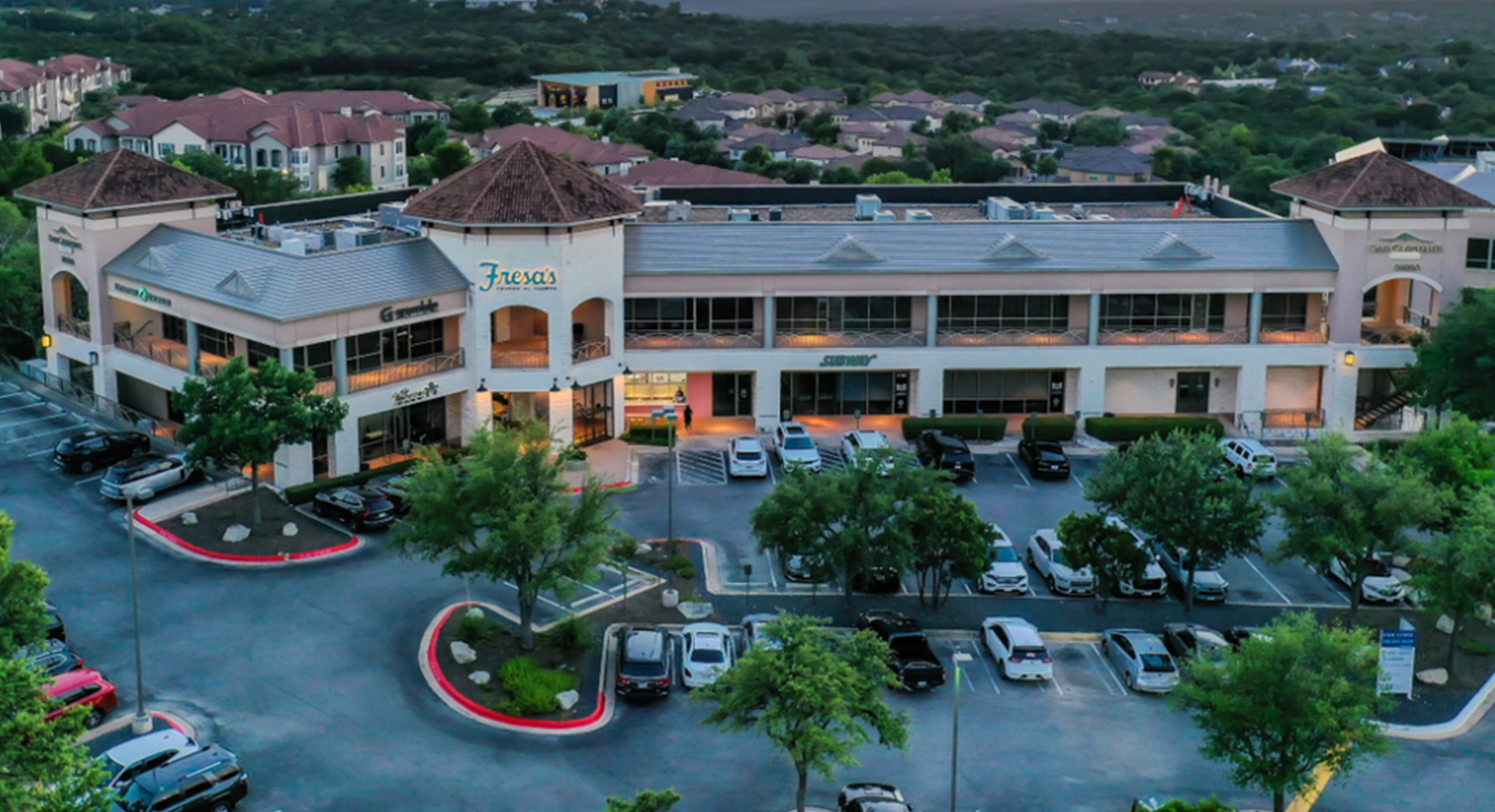
Whitestone REIT purchased Austin, Texas’ 31,832-square-foot San Clemente at Davenport neighborhood center last year. Photo courtesy of Whitestone REIT
Which Properties Will Deliver the Highest Returns
Echoing J.P.Morgan’s assessment, CBRE’s U.S. Real Estate Market Outlook 2026 said risk-adjusted returns in retail real estate “look especially attractive” this year for well-located grocery-anchored and open-air centers. “Given the affordability challenges of less-affluent consumers, investors will find the best rent growth in areas that cater to higher-income households,” the outlook said.
MORE FROM C+CT: CMBS Activity Underscores Surge in Grocery-Anchored Activity
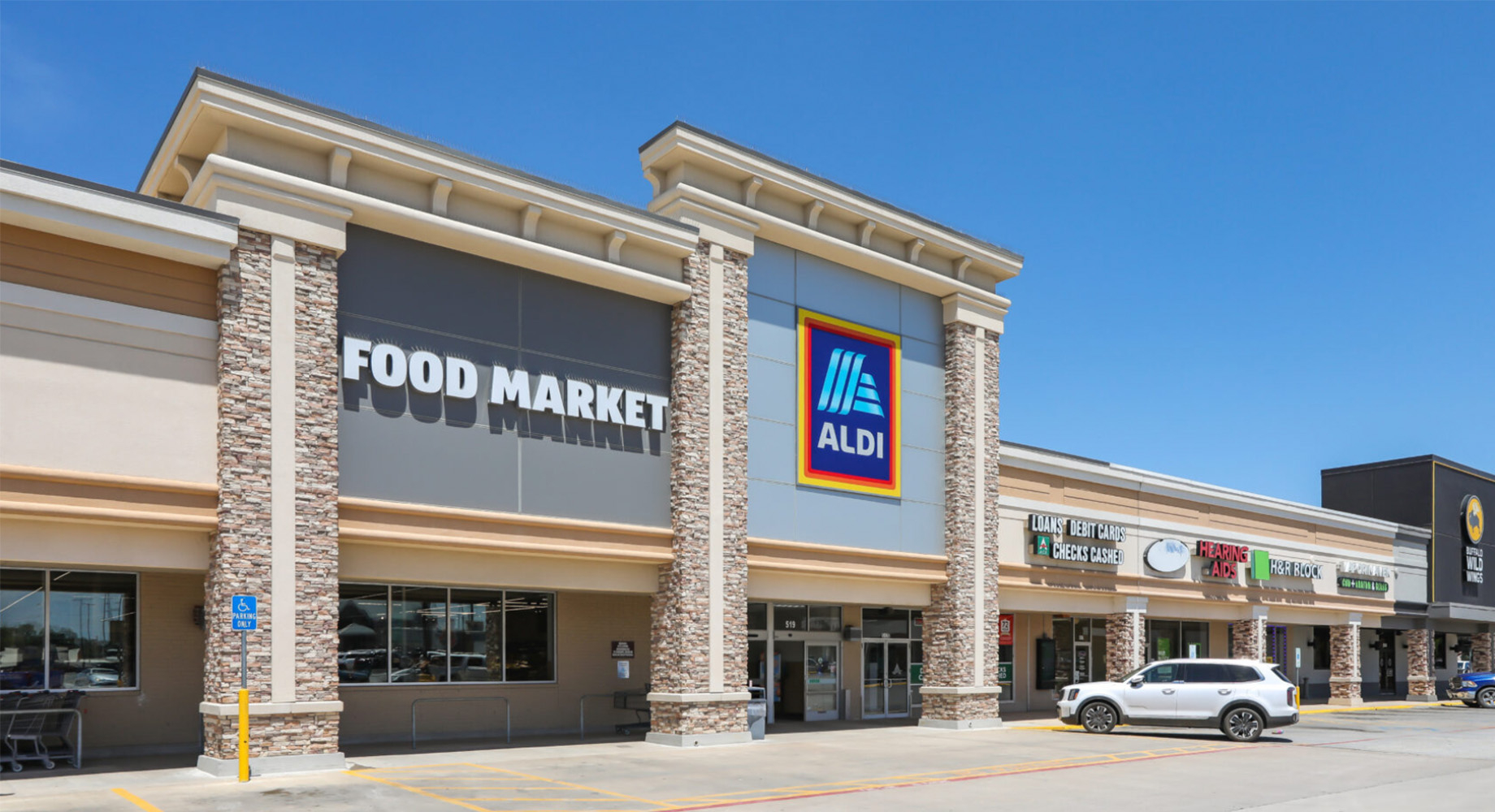
Dunhill Partners recently purchased the 150,459-square-foot, Aldi-anchored Commerce Square along West Commerce Street, which JLL describes as Brownwood, Texas’ primary retail corridor. JLL — which represented the seller, Phillips Edison & Co. — said 24,600 vehicles pass the property daily. Photo courtesy of Dunhill Partners
Which Direction Investment Momentum Is Headed
Look for the volume of retail property transactions to rise in 2026 as sidelined capital reenters the market, according to a forecast from private equity firm First National Realty Partners. “With significant capital formation seeking deployment into U.S. real estate, easing interest rates are expected to improve liquidity and facilitate market activity,” the firm said. Greater willingness by lenders to accept higher loan-to-value ratios will offer “a supportive backdrop for the retail sector,” the firm added.
Note that FNRP released its forecast before the Federal Reserve decided Wednesday to hold interest rates steady, the first time since July it has declined to lower rates.
MORE FROM C+CT: Money Is Moving Again in Retail Real Estate — and Fast
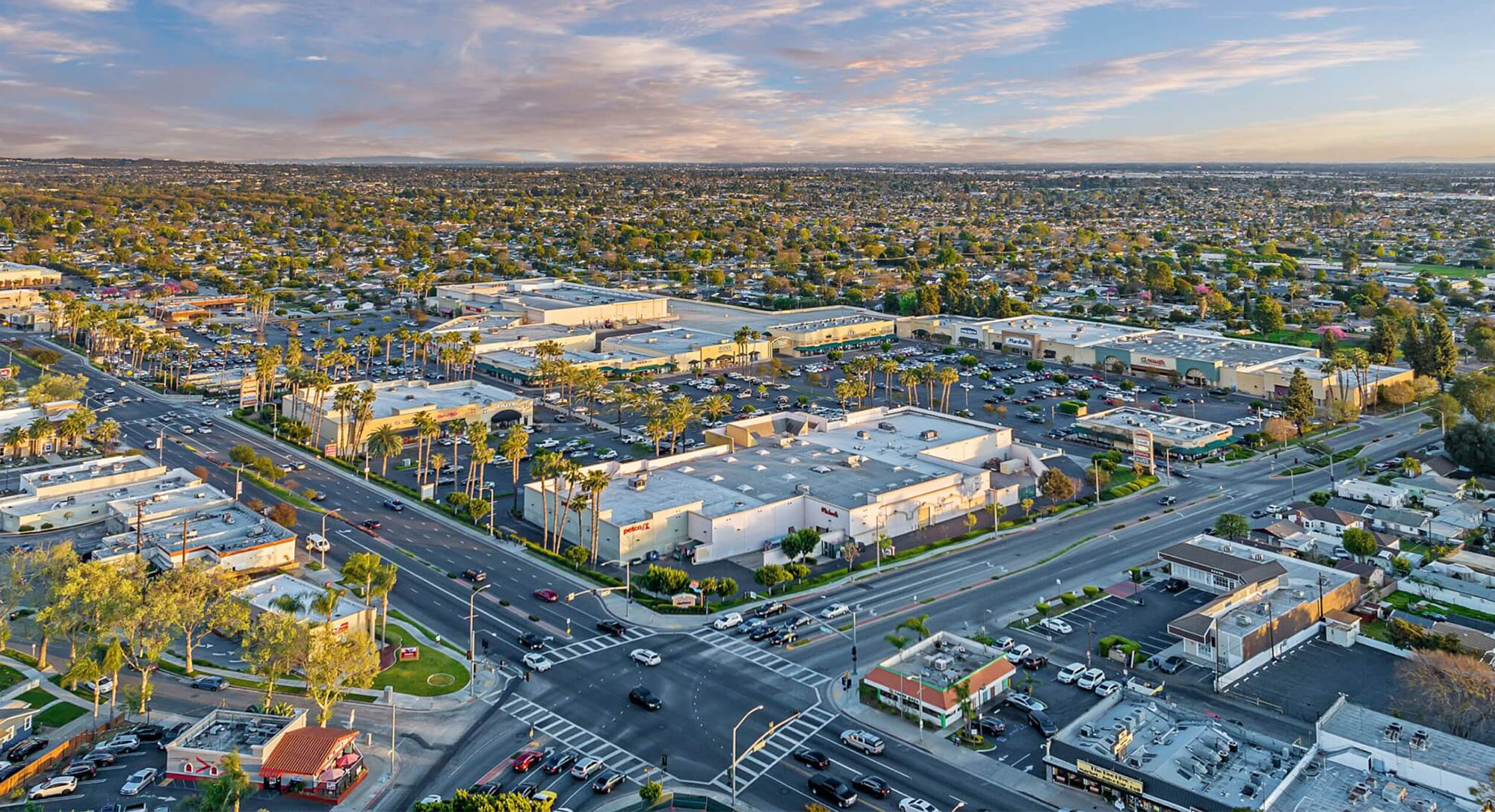
Brixton Capital recently acquired Southern California’s 314,593-square-foot, nine-building Quad at Whitter for $100 million. Tenants include Vallarta Supermarkets, Marshalls, Ross Dress for Less, T.J.Maxx, Dollar Tree, Petco, Michaels, Five Below and Burlington. Photo courtesy of Brixton Capital
Construction Deliveries Versus Construction Starts
Deliveries will sink to historical lows this year, predicts Newmark’s U.S. Commercial Real Estate in 2026: A Sector-by-Sector Outlook. Starts hit all-time lows in 2024 and 2025, but Newmark expects the pace of construction starts to pick up this year, with many projects involving redevelopment rather than ground-up development. This outlook contrasts with that of Colliers’, which predicts a downturn in retail construction starts this year.
MORE FROM C+CT: From Southdale Center to Gen Z: Why the Core Appeal of Malls Endures
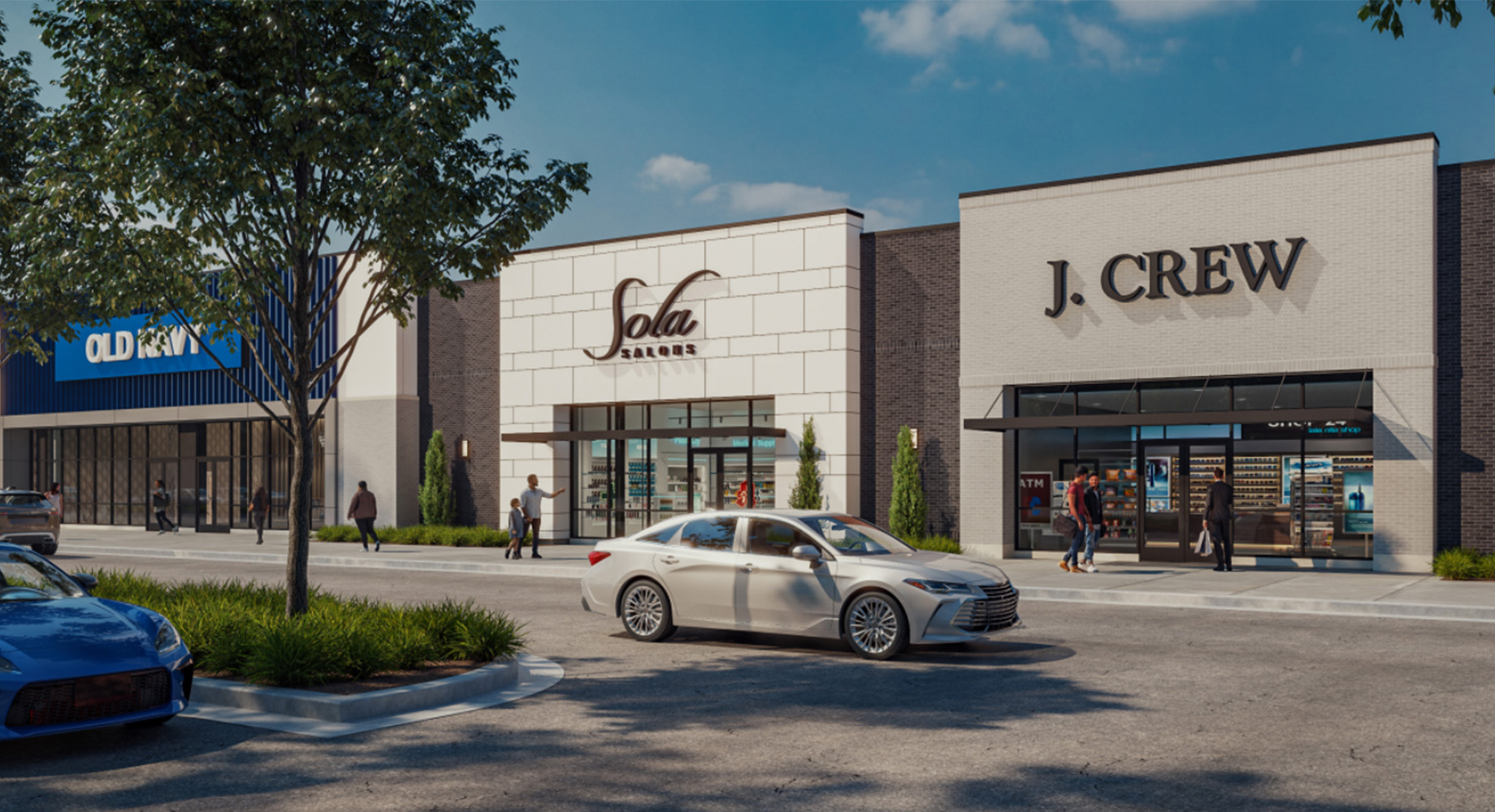
Edgewood Properties and Paramount Realty are redeveloping Brunswick Square mall in East Brunswick, New Jersey. Rendering courtesy of OKW Architects
A Grocery-Anchored Development Hot Spot
More than 80% of the 2.4 million square feet of new Dallas-Fort Worth retail space built in 2025 was occupied by grocers — such as H-E-B, Kroger, Sprouts Farmers Market and Walmart — Dallas-based Weitzman reported at its annual forecast event. And DFW’s grocery-anchored retail boom is expected to continue into 2026 and 2027. Weitzman said 18 grocery stores opened in DFW in 2025, and another 34 are expected to open this year and next. That would add up to 52 new grocery stores over three years.
MORE FROM C+CT: Grocery Stores’ Enduring Appeal to Shoppers, Investors and Developers
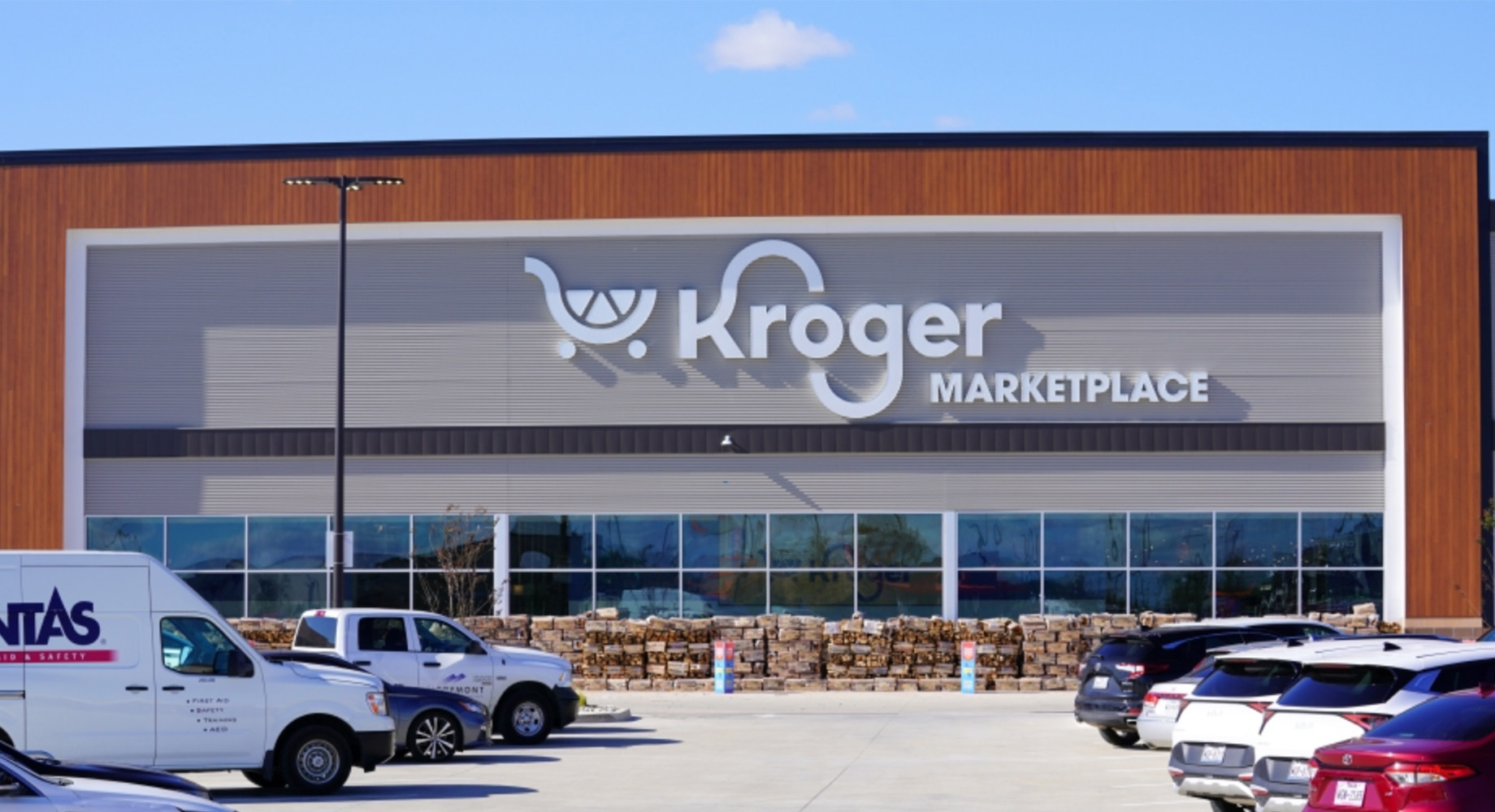
This $40 million, 123,000-square-foot Kroger opened in October at Weitzman’s Bonds Ranch Marketplace in Fort Worth, Texas. The chain has three Dallas-Fort Worth stores under construction and plans to break ground on three more in 2026. Photo courtesy of Kroger
Canada’s Retail Demand and Vacancy Improvement
Tenant demand in Canada’s retail sector will improve this year, but vacancy rates also will trend higher, according to Marcus & Millichap’s 2026 Canada Commercial Real Estate Investment Forecast. “Entering the new year, macroeconomic conditions are expected to support a gradual recovery in the need for retail space,” the forecast said. But the firm expects the “measured” rebound in demand to lag new supply, leading to another year of rising vacancy.
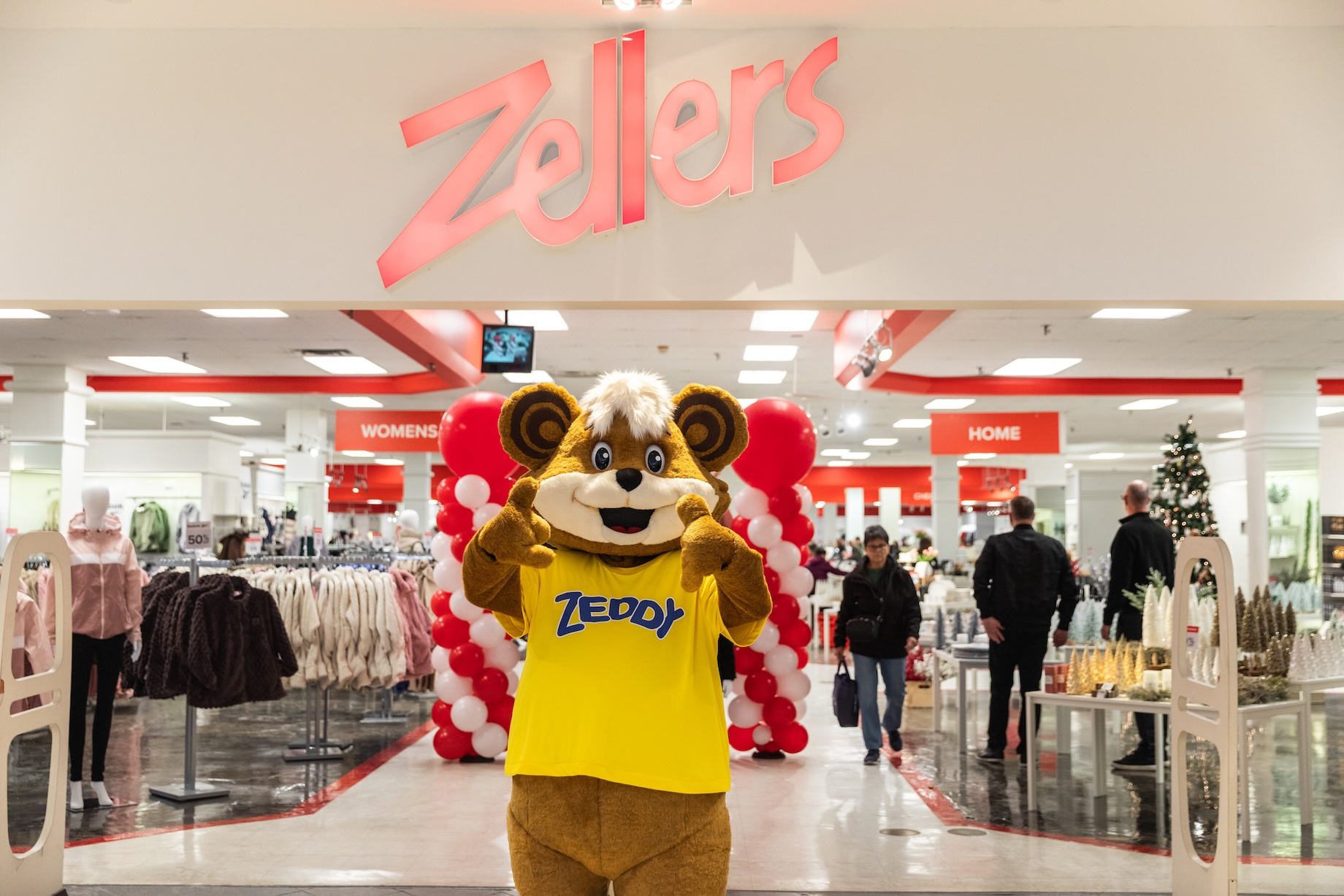
Resurrected retail brand Zellers plans to roll out its small-format department store concept in every major market in Canada. Photo courtesy of CNW Group/Zellers
By John Egan
Contributor, Commerce + Communities Today