Jump to …
6 Franchise Updates: TGI Fridays, Burger King, McDonald’s and More
3.5M SF of Retail Acquisitions, Refinancing and Development
Grocery, Big-Box and Discount Stores Lead Halloween Shopping Plans
Mars Says AI Shopping Assistants Could Boost Experiential Retail
Adam Hines Will Join His Sister as Hines Co-CEO
6 Franchise Updates: TGI Fridays, Burger King, McDonald’s and More
TGI Fridays made its return to franchising in the U.S., and Burger King is ramping up its franchising strategy, too. Fellow burger mainstay McDonald’s, meanwhile, is supporting franchisees with an $8.5 billion modernization effort. Plus, smoothie, coffee and swim school chains are looking for space.
TGI Fridays Plans To Open 5 Franchised Restaurants in New York State
TGI Fridays, once a mainstay among America’s casual dining chains, plans to open five franchised restaurants across New York state as it bounces back from bankruptcy. The deal with franchisee Bliss Bites is TGI Fridays’ first U.S. franchise development agreement in more than a decade. In January, the chain outlined a plan to operate more than 1,000 restaurants and generate $2 billion in annual revenue by 2030. TGI Fridays filed for Chapter 11 bankruptcy protection in November 2024. In July, the chain gained approval for a bankruptcy wind-down plan after selling its company-owned restaurants, Bloomberg Law reported. The wind-down didn’t affect franchisee-operated locations in the U.S. and other countries, according to Chain Store Age. TGI Fridays operates nearly 400 restaurants in almost 40 countries, including 69 in the U.S.
Burger King Plans To Refranchise About 200 Restaurants in 2026
Burger King is selling company-owned locations back to independent owner-operators to fire up growth. Ultimately, the burger chain wants to wind up with 300 company-owned restaurants, compared with more than 1,000 two years ago, CNBC reported. Franchisees would run the more than 6,000 remaining U.S. locations. Independent owner-operators will be key to Burger King’s U.S. turnaround, according to CNBC. That owes partly to franchised locations’ typically stronger financial results “because their own money is on the line,” Quartz reported.
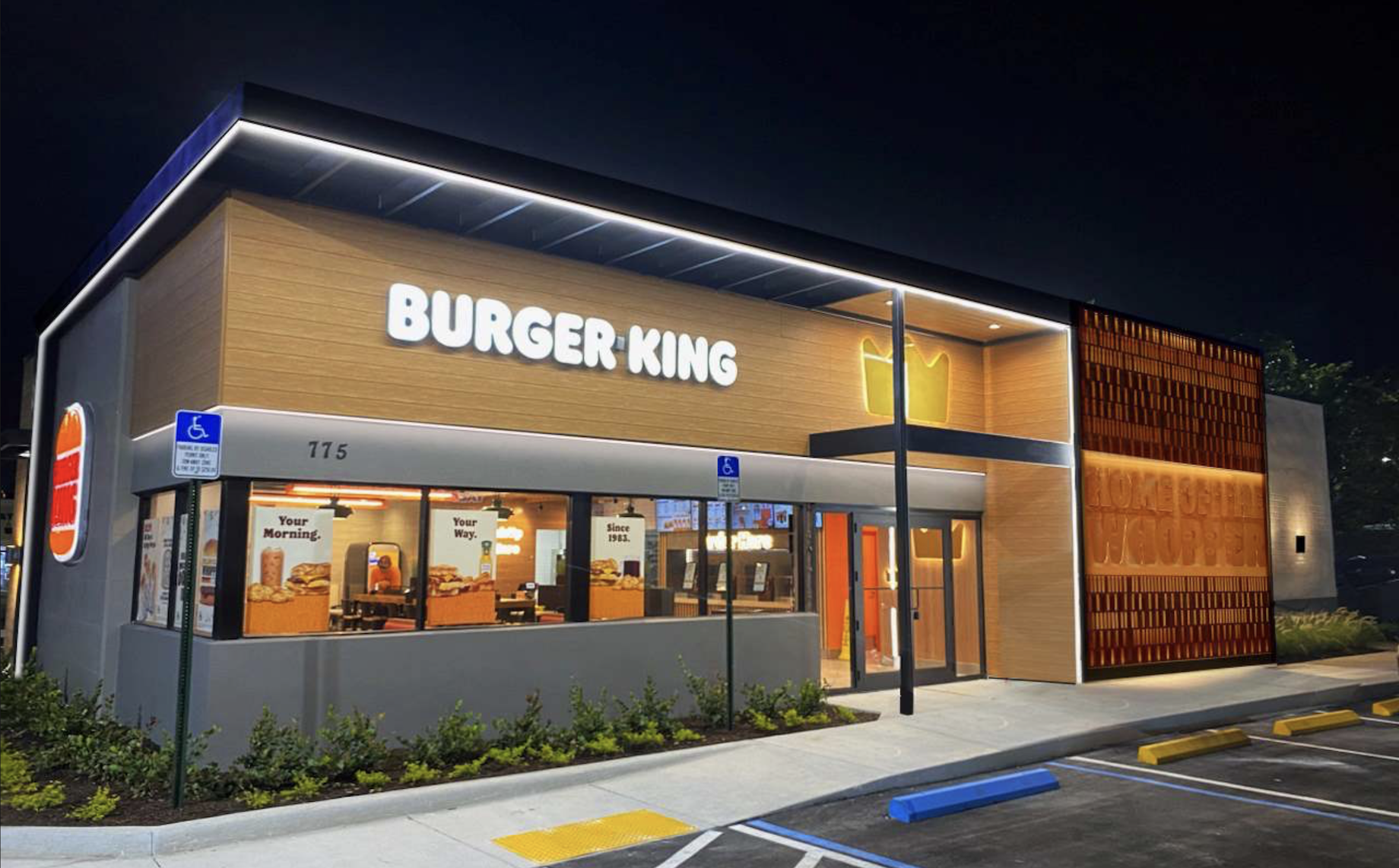
Burger King is selling most of its company-owned restaurants to franchisees. Photo courtesy of Burger King
Burger King parent Restaurant Brands International bought the chain’s largest U.S. franchisee, Carrols Restaurant Group, in 2024 for roughly $1 billion, according to CNBC, adding 1,023 locations to Burger King’s company-owned portfolio. Restaurant Brands always planned to sell most of the Carrols restaurants to smaller franchisees, CNBC said. Burger King previously targeted about 300 restaurants for refranchising this year but now expects to sell only about 200.
McDonald’s Pledges $8.5B To Modernize Franchised Restaurants
McDonald’s, the largest U.S. restaurant chain as measured by sales, plans to provide about $8.5 billion in support to update franchised locations through 2036. The initiative includes about $5 billion in capital support and rent relief through 2030. The company detailed the funding at this year’s Investor Day as part of the McDonald’s > Next growth strategy, which launched in June.
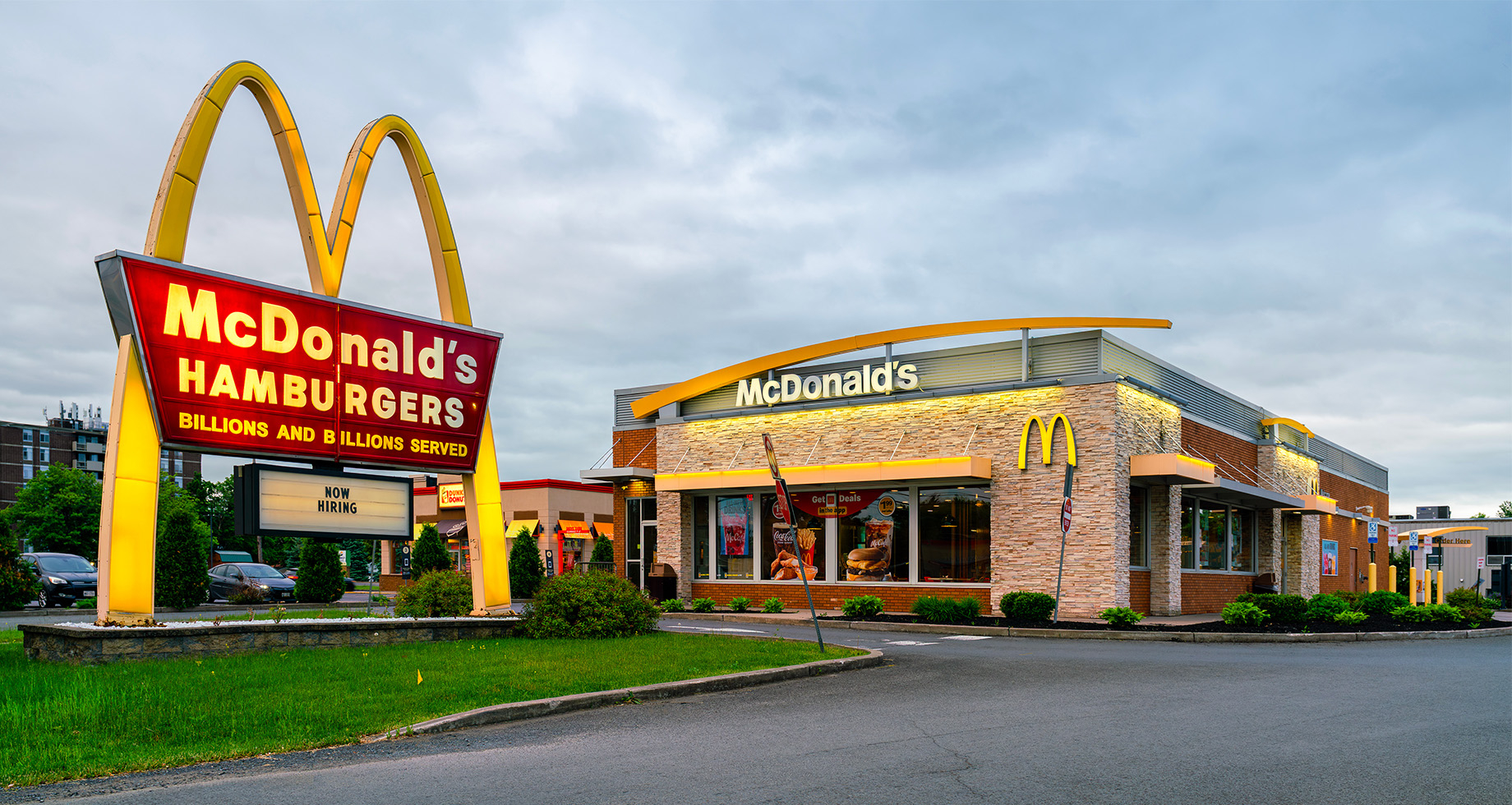
A McDonald’s in Rome, New York, in June Photo credit above and at top: Mahmoud Suhail - stock.adobe.com
The chain said the $8.5 billion program will accelerate restaurant modernization, technology upgrades and operational improvements. As of Dec. 31, franchisees operated 95% of the chain’s 13,706 U.S. locations, and the U.S. accounted for 30% of McDonald’s global store count. McDonald’s said markets will phase in the modernization rollout with “a clear focus on franchisee capacity and investment returns.”
3 Franchises Have 500+ Combined Locations in Their Development Pipelines
A smoothie chain that probably isn’t on your radar is bulking up. HB Protein Smoothies has just one location, in Scottsdale, Arizona, but its franchise pipeline exceeds 250 locations in the U.S. and Canada, Franchise Times reported. The company launched its franchise program in 2025.
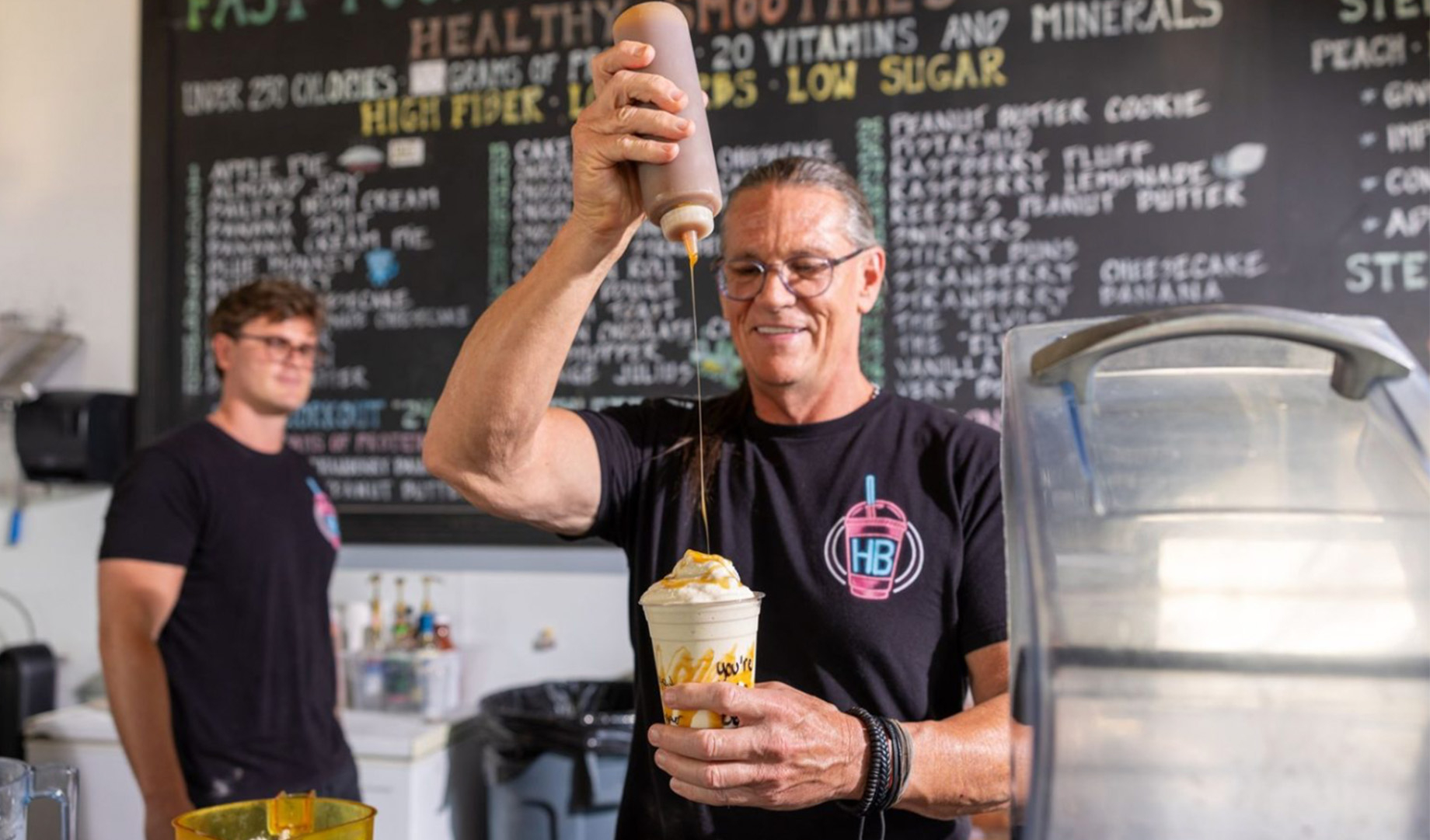
Son-and-dad team Ethan and Daniel Boone founded HB Protein Smoothies in 2014. Photo courtesy of HB Protein Smoothies
A Hawaii-born coffee chain has over 100 franchised locations in its development pipeline. Bad Ass Coffee of Hawaii, which recently moved its headquarters from Denver to Lexington, Kentucky, has nearly 50 franchised stores in the U.S. and expects five more by the end of the year. Expansion markets include California, Colorado, Florida, Kentucky, Minnesota, Nevada, New Jersey, Tennessee and Texas, according to the chain’s website.
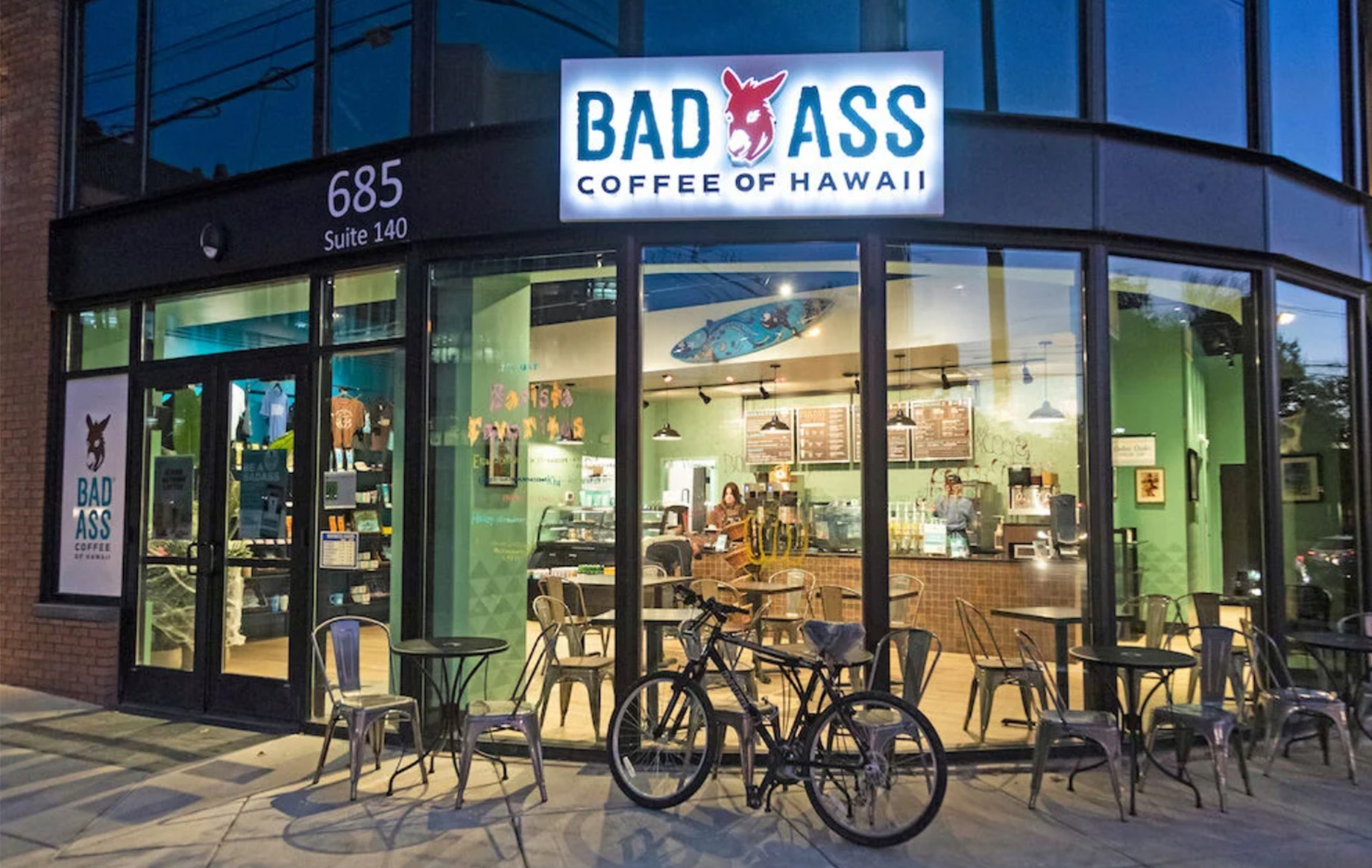
Bad Ass Coffee of Hawaii operates nearly 50 franchised shops in the U.S. Photo courtesy of Bad Ass Coffee of Hawaii
Goldfish Swim School, which has more than 200 locations in the U.S. and Canada, is diving into the expansion pool, too. The franchiser said it has over 150 schools in development. Goldfish Swim School opened its first franchised location in 2009. C+CT recently reported that another swim school, Water Wings, is pursuing a 100- to 150-location footprint through franchising.
3.5M SF of Retail Real Estate Sold, Refinanced and Breaking Ground
From a major Canadian mall acquisition to a self-storage owner's return to retail, investors are pursuing opportunities in the sector. Meanwhile, CBL has secured new financing for a St. Louis-area mall, and a Houston-area mixed-use megaproject is moving forward with plans for 1 million square feet of retail and restaurants.
Primaris Buys Toronto Area’s Upper Canada Mall for 411M Canadian Dollars
Just one week after Primaris closed an equity offering of more than 230 million Canadian dollars in pursuit of 1 billion Canadian dollars’ worth of properties, it has scooped up a major shopping center. The Canadian retail REIT acquired Upper Canada Mall in suburban Toronto for 411 million Canadian dollars. The deal for the 990,114-square-foot enclosed mall — which sits on 76 acres in Newmarket, Ontario — is expected to close by Oct. 31. The sellers were Oxford and CPP Investments, Real Estate News Exchange reported. The mall draws 8 million annual visitors, according to Oxford. Tenants include Apple, Aritzia, Browns shoes, Lululemon, Sephora, Sport Chek, Uniqlo, Victoria’s Secret, Winners and Zara.
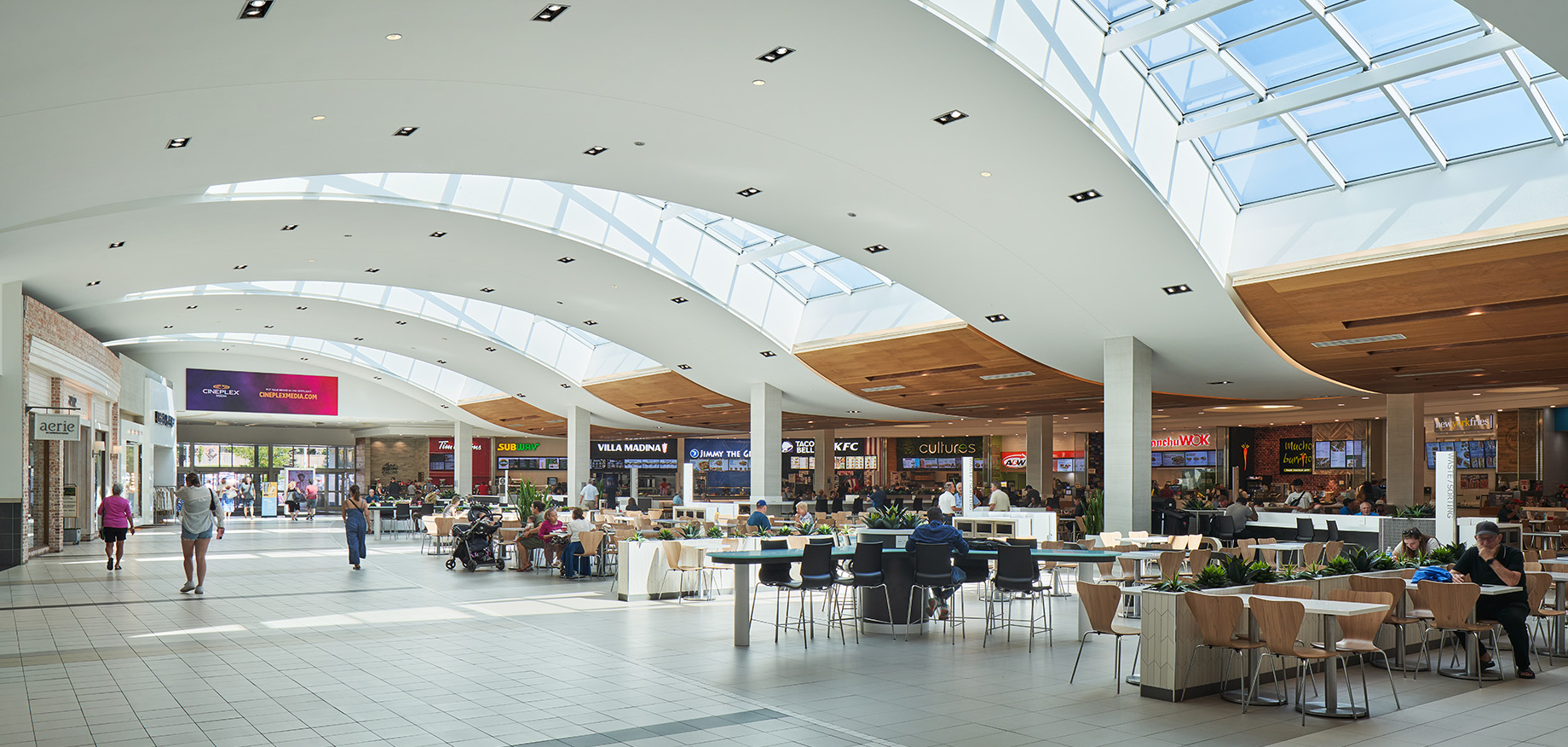
Primaris has acquired the almost 1 million-square-foot Upper Canada Mall. Photo by Michael Muraz
Upper Canada Mall will join Primaris’ 25 other Canadian shopping centers and, according to Simply Wall Street, is the fourth-largest property in the REIT’s portfolio. Simply Wall Street also said Primaris has an opportunity to re-lease former anchor space, lease up smaller spaces and develop or monetize 6 acres on-site.
Self-Storage Landlord Buys 2 Shopping Centers as It Returns to Retail
10 Federal, which owns 132 self-storage facilities across the U.S. and a number of multifamily properties, continues its reentry into the retail property market. Last month, the company bought Fort Worth, Texas’s 105,182-square-foot Cherry Lane Commons and North Carolina’s 219,850-square-foot Eric Lane Shopping Center, renaming it Burlington Commons. Though the retail acquisitions represent a new phase, 10 Federal said it previously owned shopping centers. It expects to continue raising capital and pursuing opportunities in retail and other sectors.
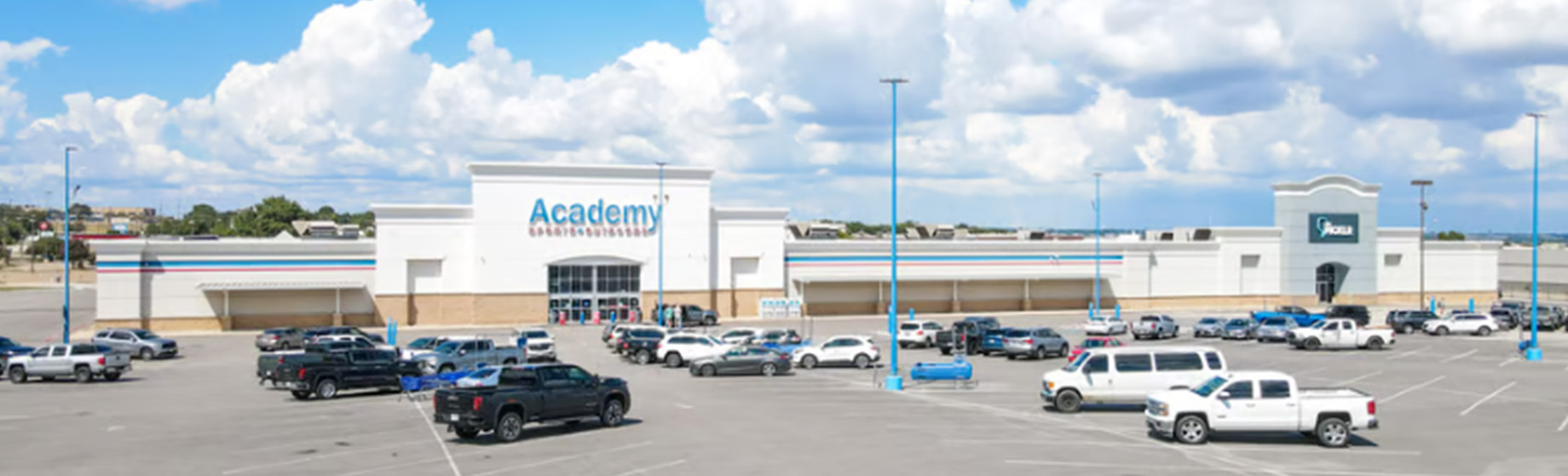
Real estate company 10 Federal recently acquired the Cherry Lane Commons in Fort Worth, Texas. Photo courtesy of 10 Federal/PR Newswire
CBL Refinanced West County Center Near St. Louis for $135M
CBL secured a $135 million refinancing of a mortgage backed by West County Center, a regional mall in the St. Louis suburb of Des Peres, Missouri. The nonrecourse loan replaces a $136.4 million loan that was set to mature in December; it carries a five-year term and a fixed interest rate of 7.4%. The refinancing also is expected to free up more than $7 million in annual cash flow by lifting restrictions under the previous loan. “We have completed nearly $1 billion in new financing activity in 2026, addressing all of our near-term maturities,” said CBL executive vice president and CFO Ben Jaenicke. Macy’s, Dick’s and Nordstrom anchor the nearly 1.2 million-square-foot property. CBL’s owned and managed portfolio comprises 88 properties totaling 54.5 million square feet across 23 states.
Presidio Manvel Near Houston Plans 1M SF of Retail and Restaurants
A mixed-use development with about 1 million square feet of retail and restaurants is on tap for Manvel, Texas, a Houston suburb. Kroger and Target will be among the project’s anchors, the Houston Business Journal reported. Tharaldson Investments is behind the roughly 2 million-square-foot project, called Presidio Manvel. In addition to stores and restaurants, the 383-acre site will feature a $931 million, 1 million-square-foot campus for UT MD Anderson Cancer Center.
Grocery, Big-Box and Discount Stores Lead Halloween Shopping Plans
Would-be witches and ghosts resoundingly favor in-store shopping for Halloween merchandise, the 2026 Deloitte Halloween Survey found. The August poll of 1,500 U.S. households showed that 67% plan to spend money on Halloween items at stores compared with 33% online. More than half, 55%, of shoppers picked grocery stores as the No. 1 destination for Halloween buying, followed by big-box stores at 47% and discount or dollar stores at 40%. Shoppers could choose more than one retail category.
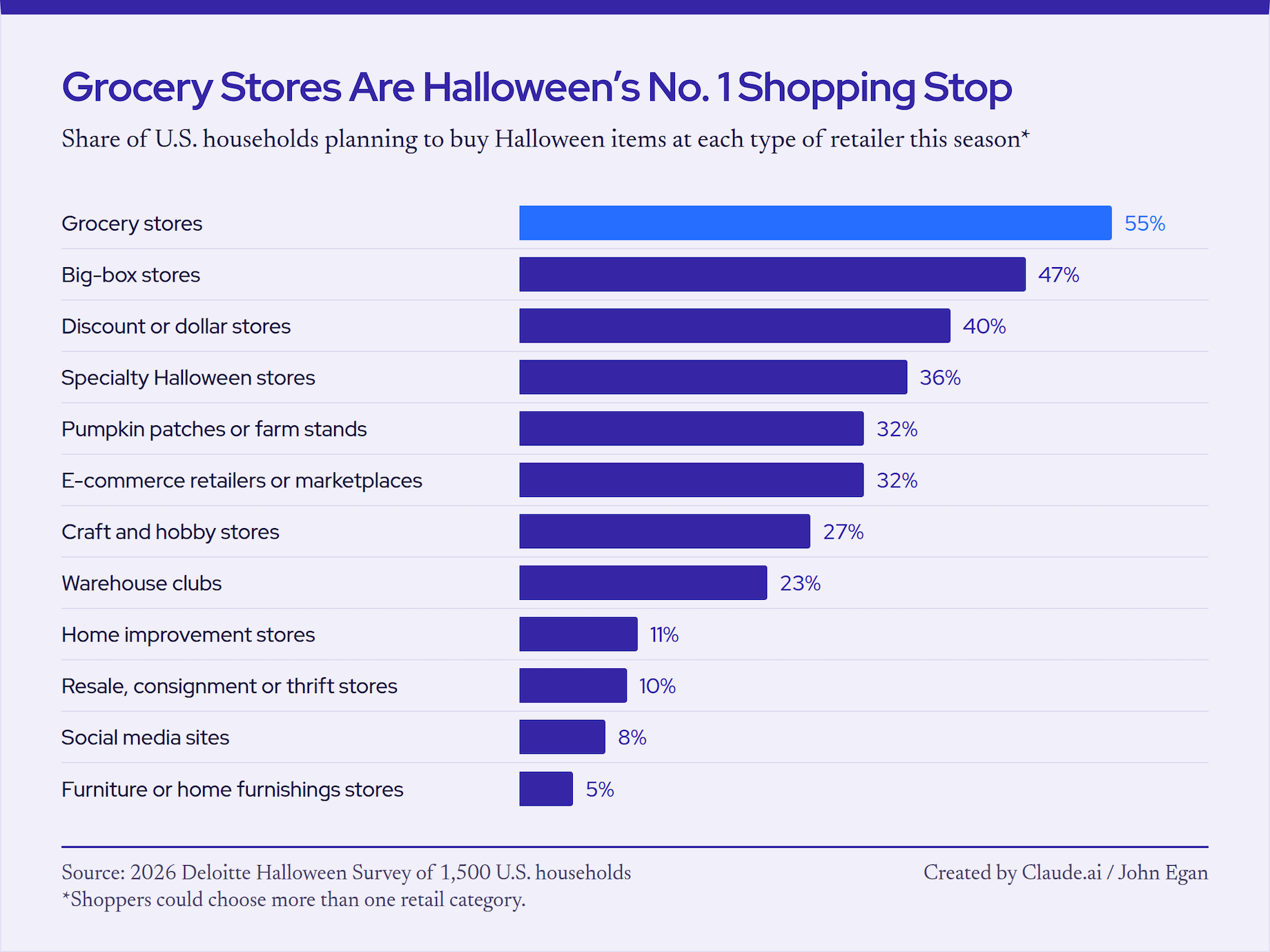
Mars Says AI Shopping Assistants Could Boost Experiential Retail
AI shopping assistants will unlock even more possibilities for experiential retail, according to candy and snack giant Mars. As agentic assistants take on routine shopping tasks, “shopping becomes something people choose to do,” said the company’s Future of Snacking Shopper Journey report. Physical and digital shopping spaces already are leaning into this shift, with pop-ups, tastings and interactive experiences replacing traditional shelves, according to the report. It said stores “will feel more connected to what’s happening around you, while shopping itself becomes a part of your favorite apps and entertainment.”
Adam Hines Will Join His Sister as Hines Co-CEO
Real estate investment manager Hines has revamped its C-suite, including new roles for two children of company leader Jeff Hines. Effective Jan. 1, Adam Hines will join his sister, Laura Hines-Pierce, as co-CEO. He currently is chief of staff and senior managing director at the company. Hines-Pierce and Jeff Hines have been co-CEOs since 2022. Adam Hines will take his father’s place, and Jeff Hines will remain chair.
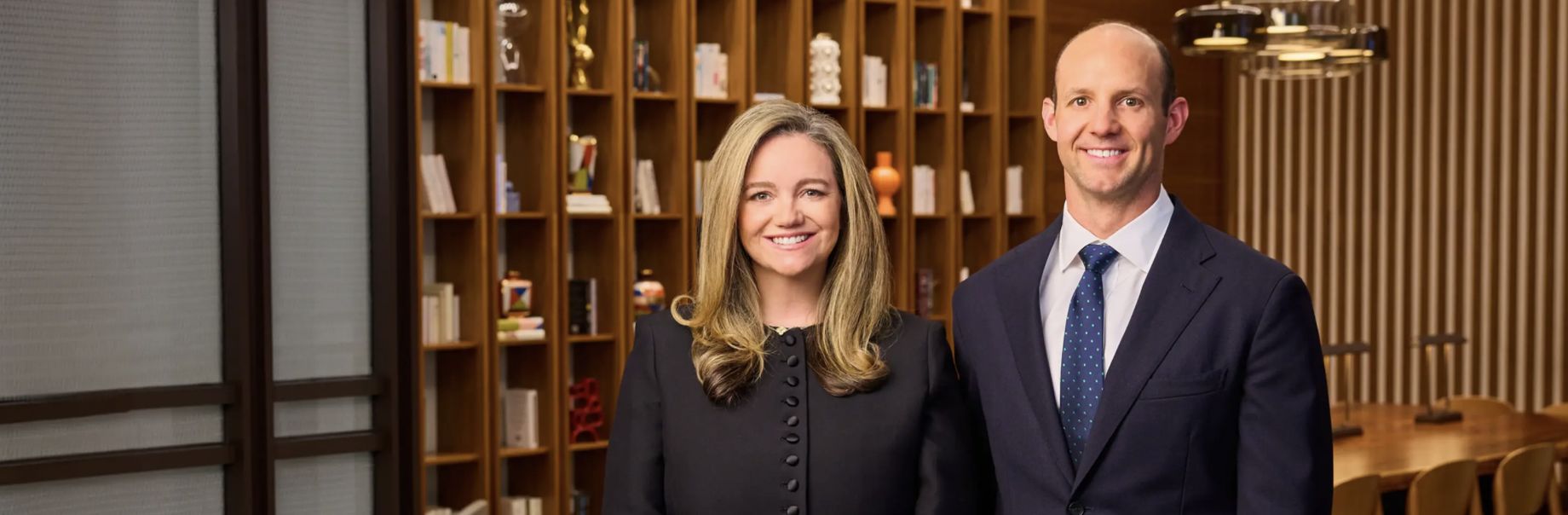
Siblings Laura Hines-Pierce and Adam Hines will share co-CEO duties at Hines effective Jan. 1. Photo courtesy of Hines
Additionally, Hines-Pierce will replace her father as chair and CEO of Hines Global Income Trust. In other moves, Hines global chief investment officer and managing partner David Steinbach will become the firm’s first president. Managing partner and co-head of investment management Alfonso Munk will succeed Steinbach in the global chief investment officer role.
As of June 30, Hines had $90.9 billion in assets under management worldwide and provided third-party management services for 379 properties spanning 105.2 million square feet.
By John Egan
Contributor, Commerce + Communities Today