Jump to …
6 Retailers Grow Store Counts, Including Target’s $1B Investment Increase
174 Eddie Bauer Leases Hit the Market
Federal Invests $400M in Residential-Over-Retail Strategy
CenterSquare Expands Essential Services Retail Portfolio With 3 Acquisitions
Texas Open-Air Center Sells for $81.6M
BREIT Promotes Paul Kolodziej to CFO
6 Retailers Grow Store Counts, Including Target’s $1B Investment Increase
Target is upping its capital investment in new stores, remodels and related improvements by more than $1 billion. The company says it now has earmarked about $5 billion in capital for those projects, as well as technology and supply chain upgrades. During fiscal year 2026, which started on Feb. 1, Target plans to open more than 30 stores and complete full remodels of more than 130. This month, Target is scheduled to open its 2,000th store on the path toward opening 300 new stores by 2035.
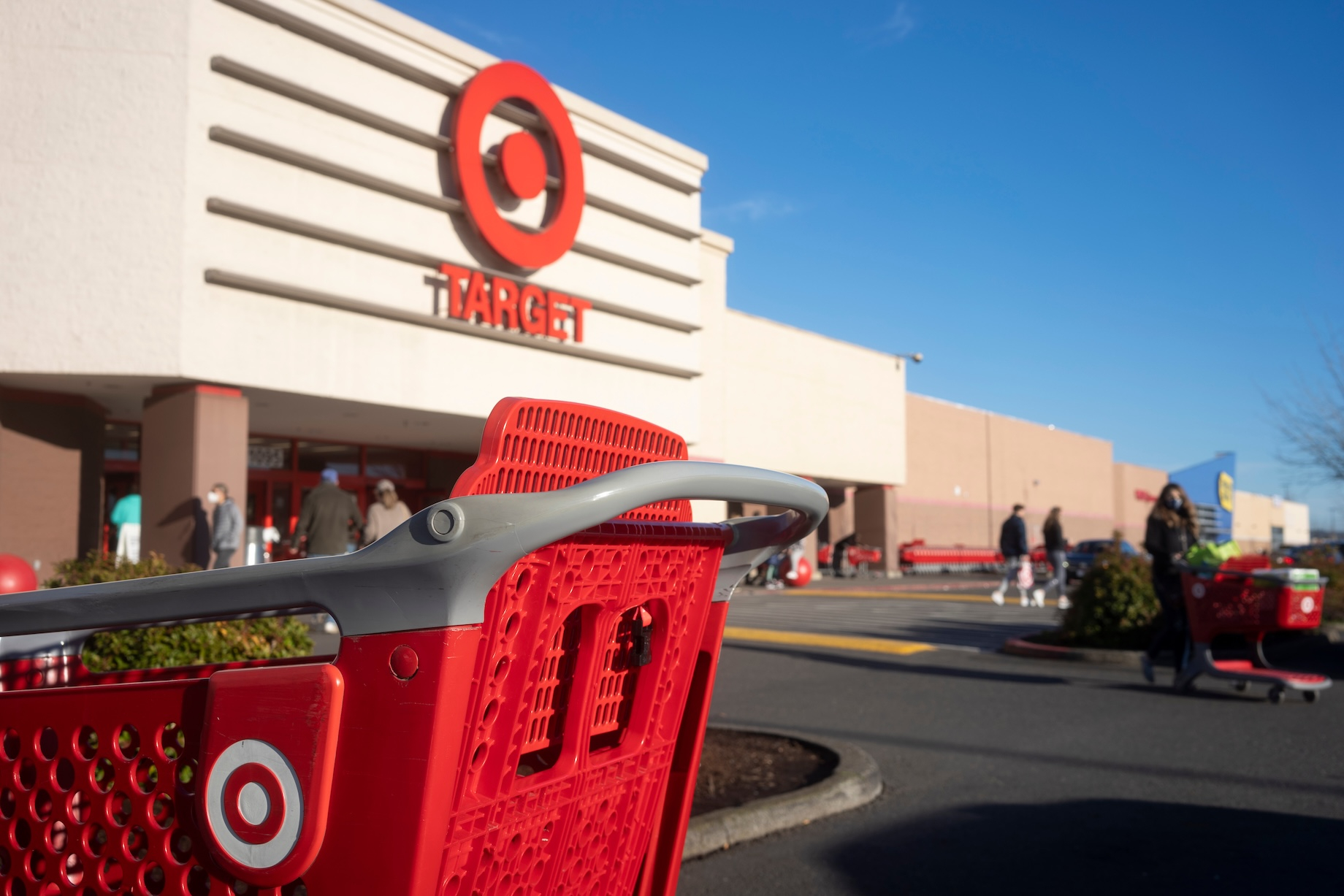
As part of a long-term turnaround program, Target plans to spend $5 billion on new stores, remodels and technology and supply chain upgrades. Photo credit: Tada Images - stock.adobe.com
The $1 billion increase in spending is coupled with another $1 billion investment in elevating the customer experience, including higher pay and more training for employees. The more than $2 billion investment is a cornerstone of a long-term turnaround program, led by new CEO Michael Fiddelke, that’s designed to reverse weak sales growth.
Cava Aims for 1,000 Restaurants by 2032
Fast-casual Mediterranean chain Cava aims to more than double its store count in the next six years. In fiscal year 2025, which ended on Dec. 28, Cava added 72 locations, bringing its year-end total to 439. Another 72 to 74 are set to open in fiscal year 2026, including new-to-market locations in Cincinnati; Columbus, Ohio; St. Louis; and Minneapolis.
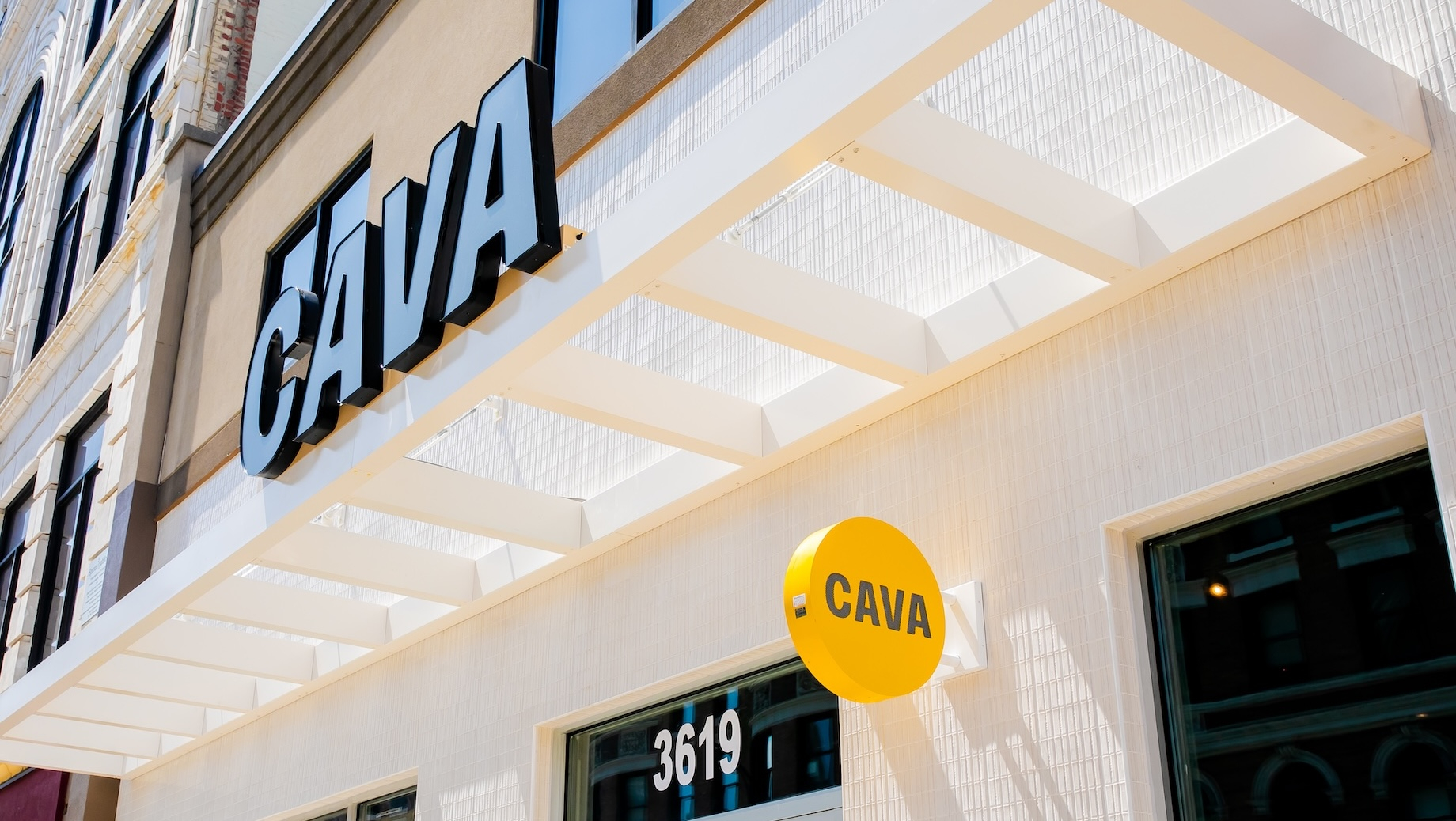
Cava plans to open 72 to 74 new restaurants this year. Photo courtesy of Cava
During the chain’s fourth-quarter earnings call, co-founder, president and CEO Brett Schulman said Cava is on track to operate at least 1,000 restaurants by 2032. The company’s revenue climbed 22.5% to nearly $1.17 billion in fiscal year 2025, and same-restaurant sales rose 4%.
Shake Shack Targets as Many as 105 New Restaurants in 2026
Shake Shack is beefing up its footprint. The burger chain projects it will open 55 to 60 company-operated restaurants and 40 to 45 licensed restaurants this year. In 2025, it opened 45 company-operated restaurants and 40 licensed restaurants. As of Feb. 26, Shake Shack had nearly 430 locations in the U.S. and more than 260 in other countries. Last year, it set a long-term goal of 1,500 company-operated restaurants. In 2025, the company posted a 15.4% increase in revenue to nearly $1.45 billion and 2.3% growth in same-restaurant sales.
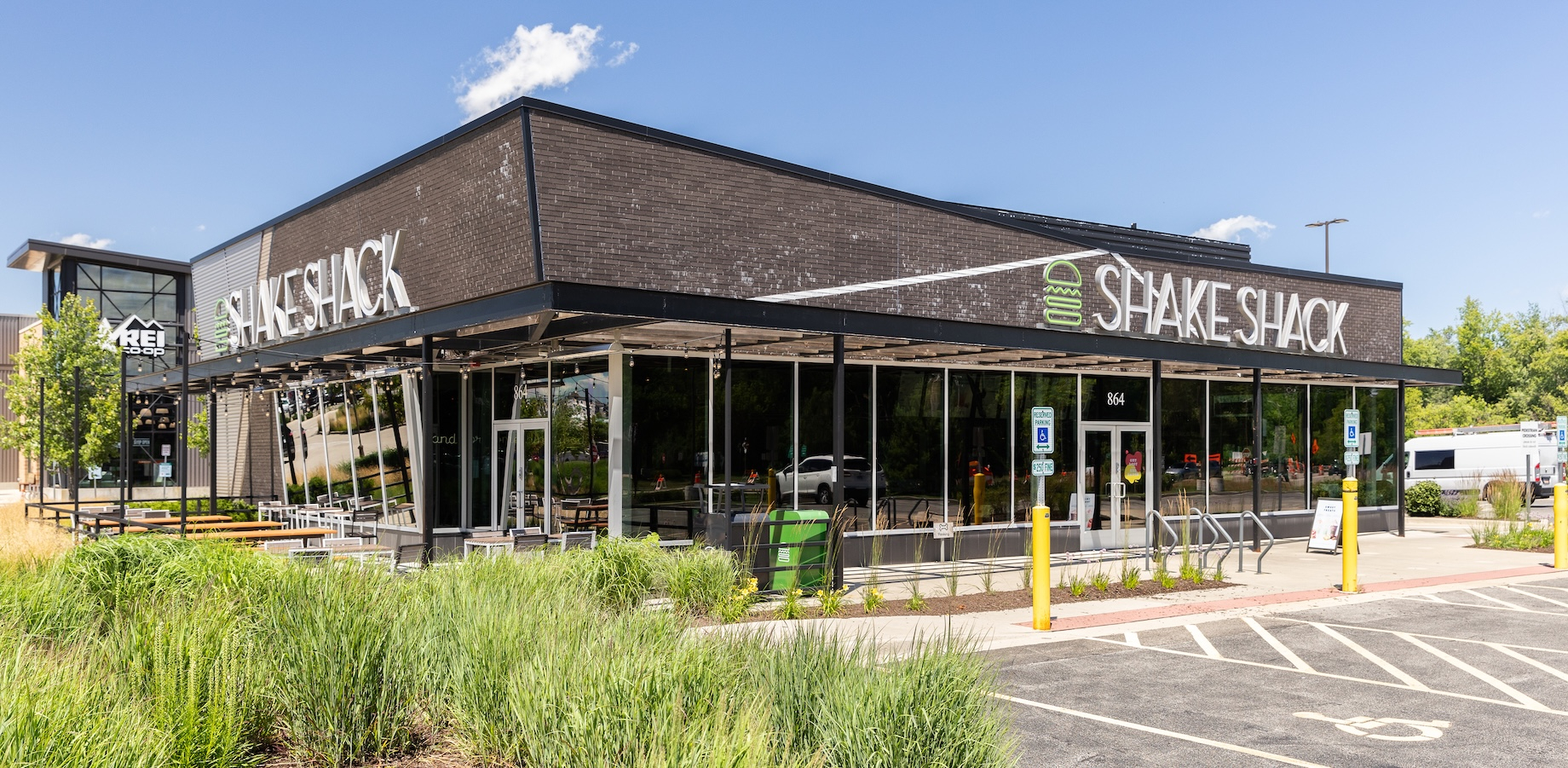
Vernon Hills, Illinois, Shake Shack on June 26, 2024 Photo credit: Joseph Hendrickson - stock.adobe.com
Nordstrom Rack Will Add 22 Stores This Year
Nordstrom Rack is widening its footprint by 22 stores this year, Chain Store Age reported. As of January, the chain had nearly 300 stores.
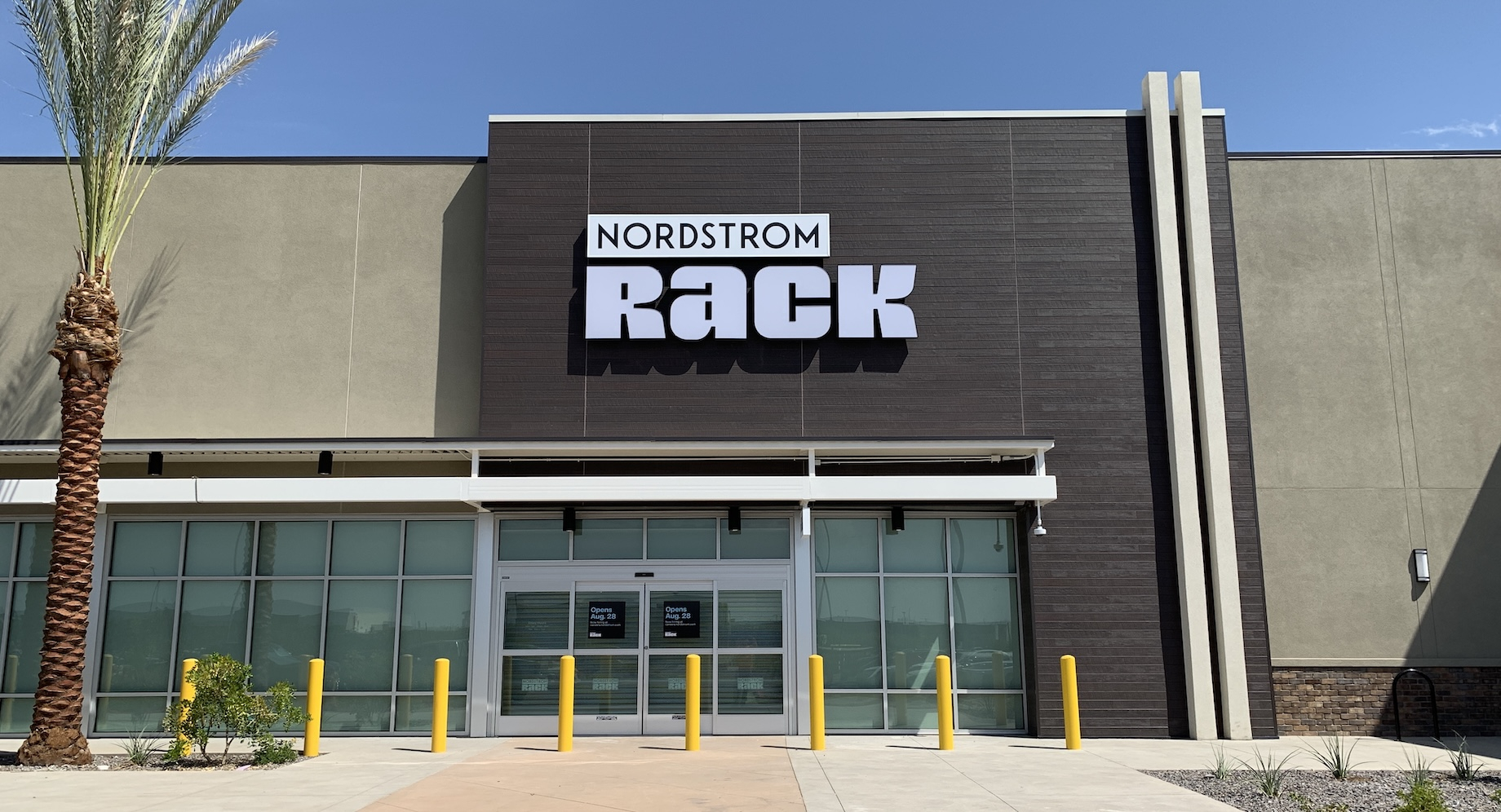
Nordstrom Rack has nearly 300 stores in the U.S. Photo courtesy of Nordstrom
Floor & Decor Plans 20 New Stores in 2026
Floor & Decor plans to add 20 stores in fiscal year 2026, topping the 19 it added last year. At the close of its fiscal year 2025, which ended on Dec. 25, the retailer had 270 stores. Just last month, it opened stores in Fayetteville, North Carolina; Vacaville, California; and Staten Island in New York City.
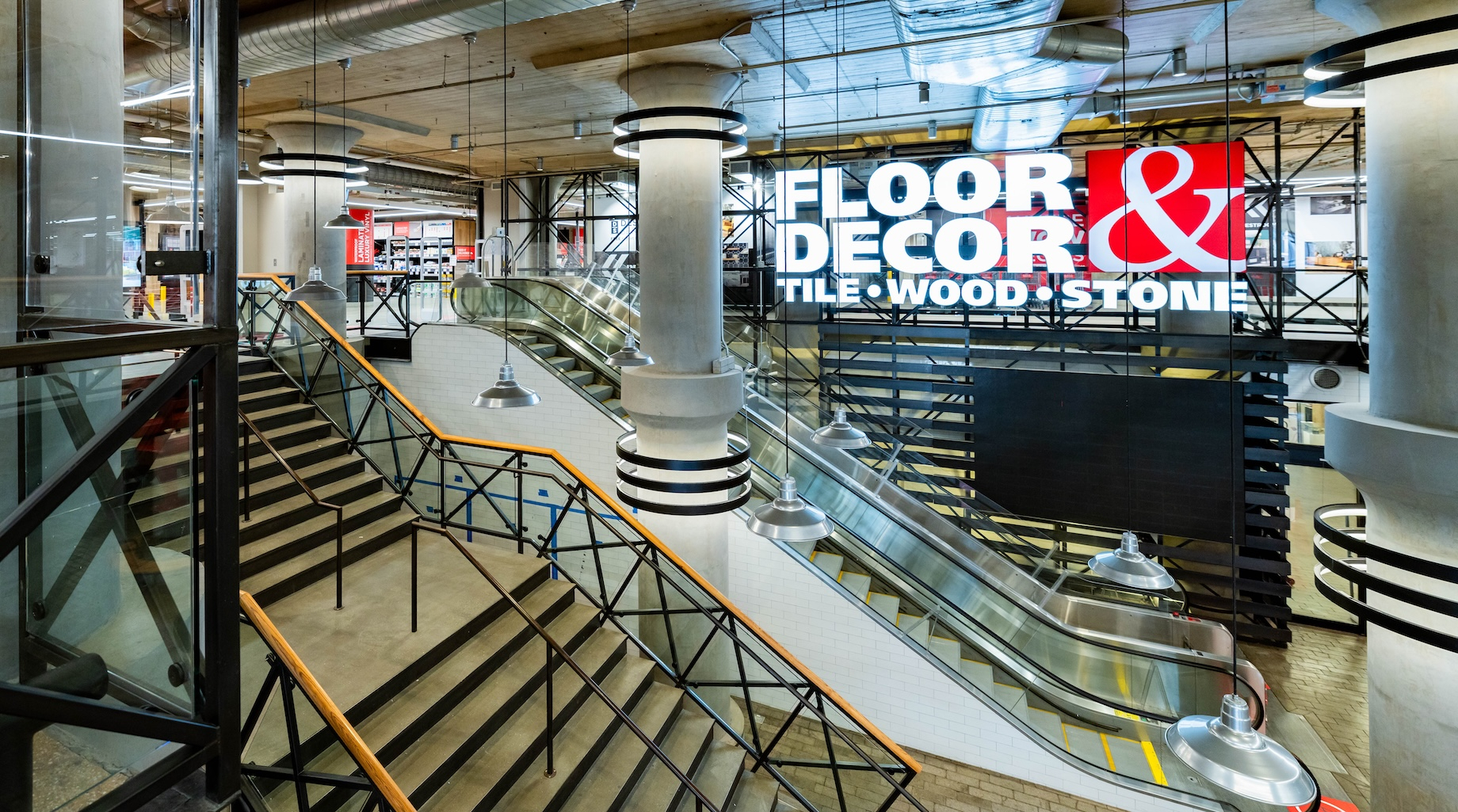
Floor & Decor opened its first New York City store, 129,000 square feet in Brooklyn, in 2024. Photo courtesy of Anders Krusberg/Floor & Decor/Businesswire
H-E-B Expands Joe V’s Smart Shop as Value Grocers Gain Foot Traffic
Grocery giant H-E-B is gradually expanding its low-price format. The chain recently said it will open a Joe V’s Smart Shop at a vacant retail center in Garland, Texas, a Dallas-Fort Worth suburb. That location will bring the Joe V’s store count to four in DFW and 11 in Houston. The Joe V’s brand fits into a growing value-focused grocery category dominated by the likes of Aldi, Costco and Lidl. Citing data from Placer.ai, JLL reported that Aldi’s same-store foot traffic grew 8.3% year over year in 2025. Riding the value-oriented wave, Aldi opened 180 stores in 2025 and plans to open more than that in 2026.
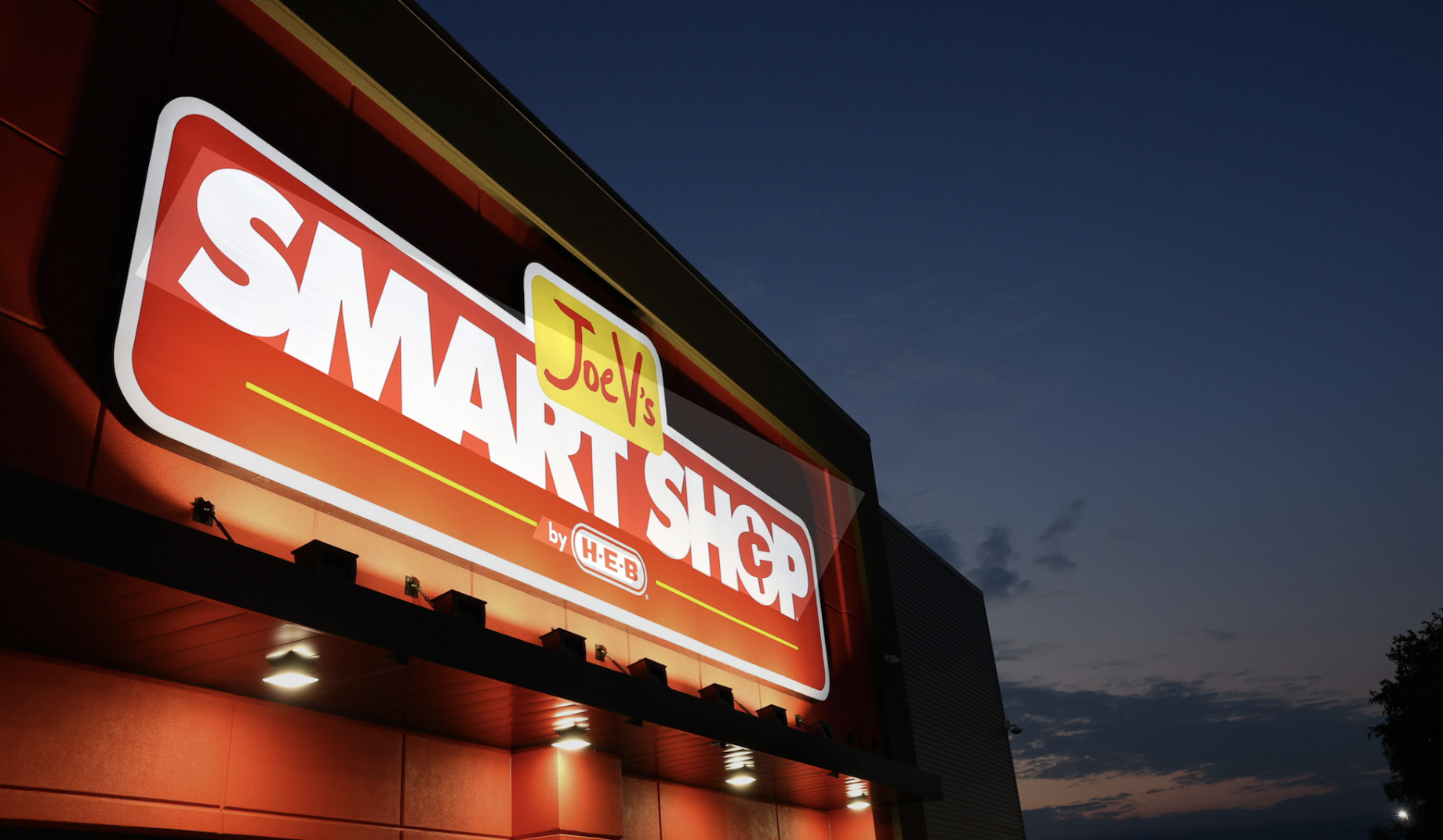
H-E-B opened its first Dallas location of Joe V’s Smart Shop in 2024. Photo courtesy of H-E-B
Grocery Outlet, meanwhile, will close 36 underperforming stores in California, Idaho, Pennsylvania, New Jersey, Maryland and Ohio during its fiscal year 2026. The grocer still plans to open 30 to 33 more stores this year. On an earnings call on Wednesday, president and CEO Jason Potter said: “It's clear now that we expanded too quickly, and these closures are a direct correction. It's important to note that the remaining 51 stores in the East are profitable.” Of the stores that are closing, 24 are in the eastern U.S. Gordon Brothers is marketing subleases and optional acquisitions of furniture, fixtures and equipment for the 36 locations, which range from 14,000 to 30,000 square feet and sit in neighborhood centers.
174 Eddie Bauer Leases Hit the Market
An auction of leases for all 174 Eddie Bauer stores has been canceled due to a lack of bids, and the leases are now being marketed for sale. The bidding deadline was Tuesday, and the auction had been scheduled to happen March 6. In lieu of the auction, RCS Real Estate Advisors was tasked this week with selling the leases: 150 in the U.S. and 24 in Canada. The average store measures 6,300 square feet, and the portfolio totals 1.08 million square feet. Eddie Bauer filed for Chapter 11 bankruptcy and started closing all its stores in early February.
Federal Invests $400M in Residential-Over-Retail Strategy
Federal is supplying its own retail demand by focusing development efforts on projects that place residential units above retail space. Projects currently in Federal’s roughly $400 million “resi over retail” pipeline will produce 781 residential units and 81,200 square feet of retail in four projects:
- A $110 million to $120 million renovation of the 130,000-square-foot Willow Grove Shopping Center in the Philadelphia metro will add a grocery store, 18,000 square feet of small-shop space and residential.
- Also in the Philadelphia area, the 174,000-square-foot Bala Cynwyd on City Avenue shopping center will gain residential and retail at a cost of $90 million to $95 million.
- Federal will build a 258-unit multifamily project called Lot 12 at San Jose, California’s Santana Row. Development will cost $140 million to $148 million.
- In Hoboken, New Jersey, the REIT will build residential and retail at 301 Washington St. at a cost of $45 million to $48 million.
FROM THE C+CT ARCHIVE: A Year Later, Federal’s Bet on Hoboken, New Jersey, Looks Even Stronger Than It Did Pre-Pandemic
Federal intends to add nearly 3,500 more residential units at other retail properties in future projects.
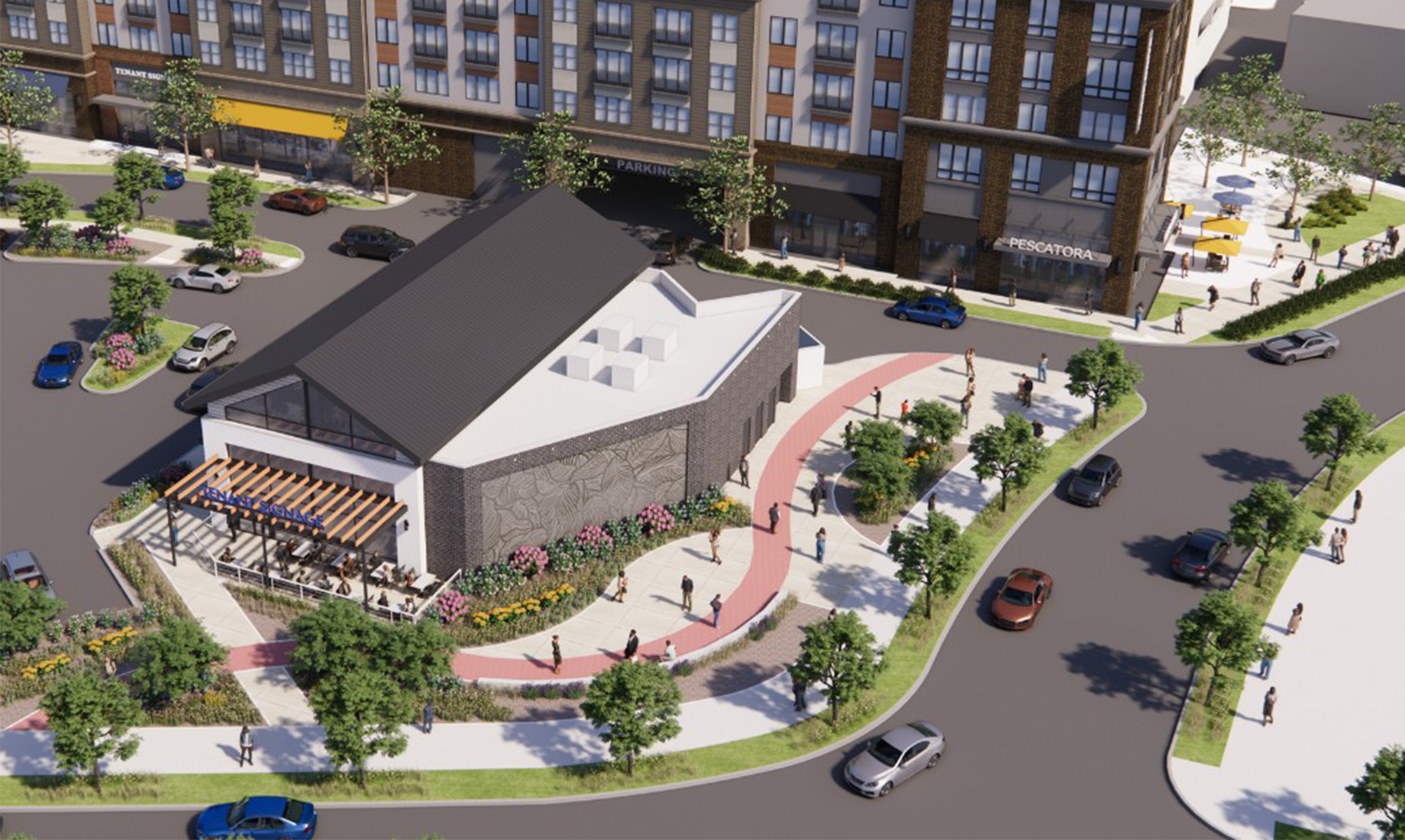
Federal is undertaking a $110 million to $120 million residential-over-retail project at the Philadelphia area’s Willow Grove Shopping Center. Rendering courtesy of Federal
CenterSquare Expands Essential Services Retail Portfolio With 3 Acquisitions
In its 2026 Private Real Estate Outlook, investment manager CenterSquare noted that while large retail investors lean toward grocery-anchored centers, essential services centers deliver the strongest risk-adjusted returns in the retail real estate sector. CenterSquare defines essential services retail properties as unanchored strip centers at high-traffic intersections with great visibility and service-oriented tenants.
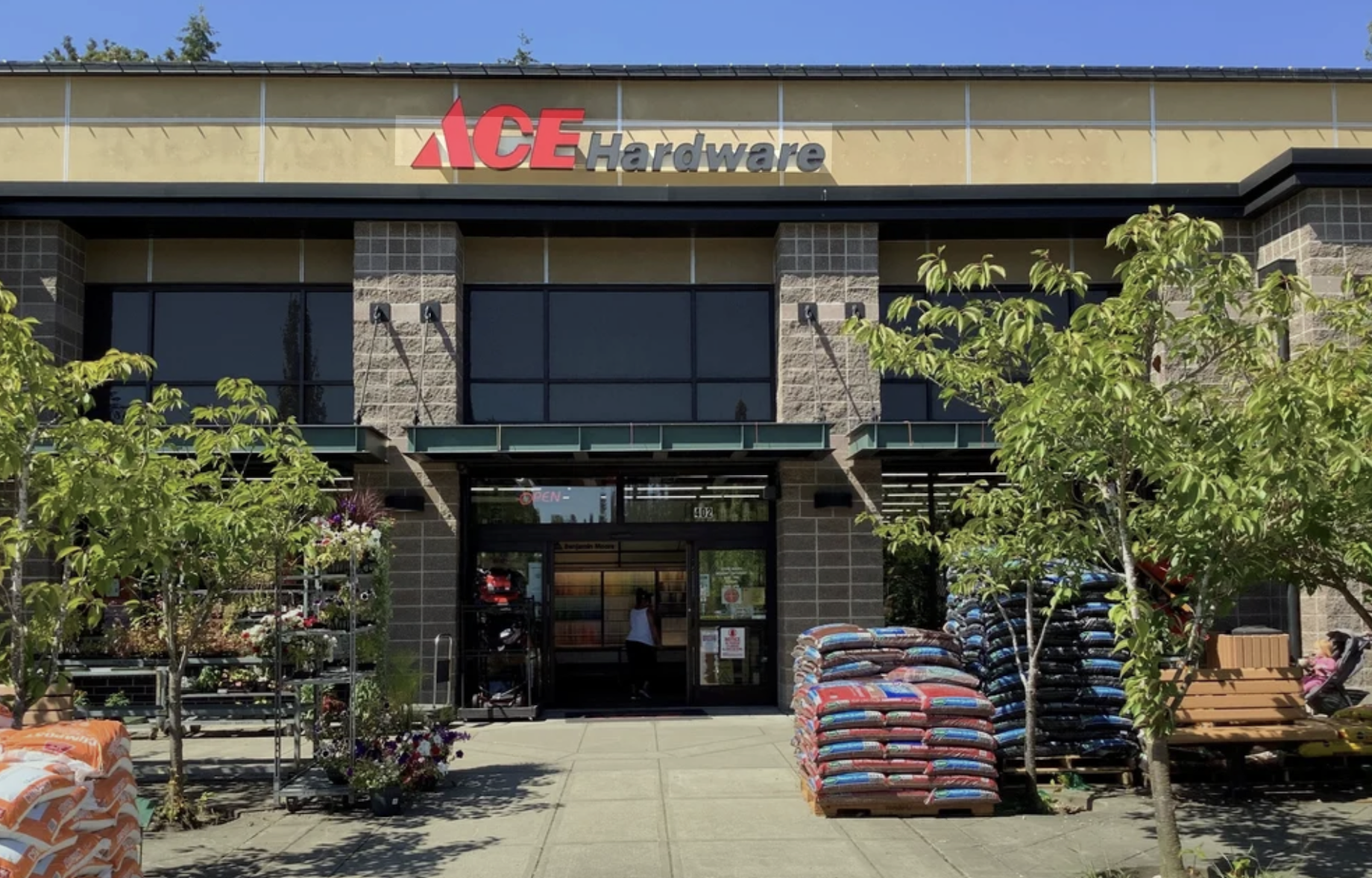
Ace Hardware is among the tenants at CenterSquare’s newly acquired Normandy Park Towne Center. Photo courtesy of Normandy Park Towne Center
In line with the firm’s commitment to essential services retail, it recently acquired three properties that brought its portfolio to 74 properties:
• three buildings totaling 25,414 square feet at Normandy Park Towne Center in suburban Seattle. The purchase price was $10.4 million, the Puget Sound Business Journal reported. The seller was Medina Fund Four, affiliated with O'Keefe Development. Tenants include Papa Johns, Subway and T-Mobile.
• the 33,129-square-foot Shoppes at Indian Trail in Charlotte, North Carolina. The purchase price was $11.4 million, according to the Charlotte Business Journal. Tenants include Firehouse Subs, Sport Clips and Tropical Smoothie Cafe.
• the 22,000-square-foot Saxon Shops in suburban Orlando, Florida. Tenants include Edward Jones, Papa Johns and T-Mobile.
Texas Open-Air Center Sells for $81.6M
CTO acquired the 399,000-square-foot, open-air Palms Crossing in McAllen, Texas, for $81.6 million. It’s 98% leased to tenants like Best Buy, Hobby Lobby, Burlington, Barnes & Noble and Nike. The 47 acres includes two pad sites for development. The company acquired $165.9 million of properties last year and sold $85.1 million worth.
More From C+CT
Surprise! Unanchored Strip Centers Are Popular With Investors
Don’t Overlook Workhorse Services Tenants: The Quiet Drivers of Retail Success
BREIT Promotes Paul Kolodziej to CFO
Blackstone Real Estate Income Trust, or BREIT, has a new CFO. Paul Kolodziej became BREIT’s CFO and treasurer effective Feb. 27. He is a managing director at Blackstone Real Estate and had been deputy CFO of BREIT since 2023. Kolodziej succeeds Anthony Marone, who stepped down from that role but remains global head of real estate finance for Blackstone.
By John Egan
Contributor, Commerce + Communities Today