Jump to …
The American Mall Is Alive and Well, 3 New Reports Indicate
Grocery-Anchored Retail Keeps Drawing Investment, With $224M in New Deals
3 Canadian Restaurant Chains Set Sights on U.S. Expansion
EQT Will Acquire Stockbridge for Up to $550M
Leadership Changes at JLL and TSCG
The American Mall Is Alive and Well, 3 New Reports Indicate
Colliers highlights a drop in mall vacancy, Placer.ai predicts enclosed malls will enjoy a holly-jolly holiday season and Cushman & Wakefield says the “nostalgia effect” is energizing malls.
Mall Vacancy Fell 30 Basis Points to 8.2% in Q3
Colliers’ U.S. Retail Market Statistics Q3 2026 report showed mall vacancy fell 30 basis points to 8.2% from the second quarter to the third. That compares with a 10-basis-point drop to 5.4% for shopping centers and an overall 10-basis-point decrease to 4.3% for national retail. Department stores, which traditionally have anchored malls, registered strong visitation gains. The report said department store visits rose 11.7% year over year in September, 5.3% in August and 8.5% in July. Nationally, third-quarter foot traffic increased an average of 1.9% year over year. Also during the third quarter, malls notched net absorption of 1.9 million square feet.
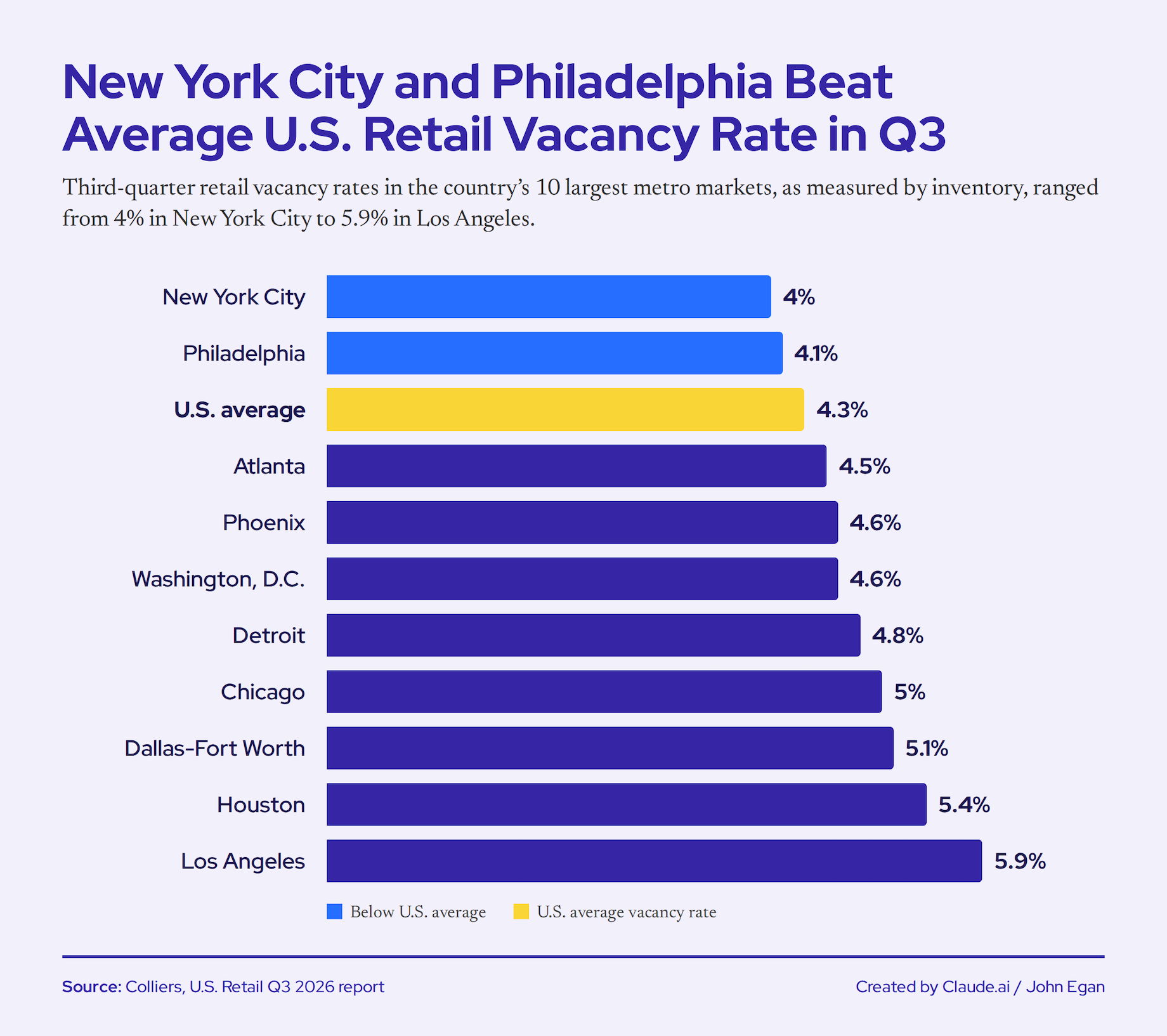
Visits and Dwell Time Rise at Top Malls Ahead of Holidays
It could be a very merry holiday season for enclosed malls. An article published by Placer.ai, What’s Ahead for Holiday Shopping in 2026, said enclosed malls appear to be poised for success. In the third quarter, enclosed malls saw 4.6% year-over-year growth in visits and 3.5% year-over-year growth in dwell time, according to the company’s Mall Index. The index tracks 300 properties it deems to be “top-tier” — 100 enclosed malls, 100 open-air centers and 100 outlet malls — and is not representative of the overall performance of those sectors. Still, Placer.ai said the findings suggest there's “an opportunity to build holiday plans around more than gift shopping,” adding that recent patterns suggest investments in restaurants, entertainment and events are paying off for enclosed malls.
“Nostalgia Effect” Adds to Malls’ Appeal as Social Destinations
Thanks in part to the “nostalgia effect,” malls are finding new relevance, according to Cushman & Wakefield. “For many consumers, especially Gen X and Millennials, the mall represented a social destination where people gathered, discovered new brands and spent time with friends,” Cushman & Wakefield wrote in The Nostalgia Effect: Reconnecting Consumers with Brands, Places and Experiences, an article in its The Retail Edit newsletter on LinkedIn. Today, the company said, many of the retail sector’s top-performing properties are reconnecting with the mall’s purpose as a destination. Investments in entertainment, food-and-beverage, wellness, services and placemaking are helping transform malls and other retail centers into gathering places that encourage social interaction, according to Cushman & Wakefield. “Consumers increasingly visit centers to meet friends, attend events and discover something new,” the company said. “Shopping remains an important part of the visit, but it’s no longer the whole reason for it.”
MORE FROM C+CT: From Southdale Center to Gen Z: Why the Core Appeal of Malls Endures
Grocery-Anchored Retail Keeps Drawing Investment, With $224M in New Deals
Following the $4.5 billion in major grocery-anchored retail moves C+CT covered earlier this month, two more shopping center acquisitions totaling $224 million underscore continued investor interest. Meanwhile, new Hines research highlights the rent premium associated with a sought-after grocery anchor.
11North Partners Pays $155M for 2 Maui Shopping Centers
Institutional investor 11North Partners bought two open-air centers on the Hawaiian island of Maui for $155 million from an affiliate of U.S. Realty Partners. 11North took out a $96 million loan to execute the deal. Northmarq arranged the sale and the financing.
The two grocery-anchored shopping centers are the 145,839-square-foot Lahaina Cannery and 136,045-square-foot Lahaina Gateway. Both survived the devastating August 2023 wildfire, though businesses faced disruptions in its aftermath. Foodland Farms at Lahaina Gateway, for example, sustained smoke damage and remained closed for eight months before reopening in April 2024. Together, the properties attract more than 5 million visitors per year. Safeway and Longs Drugs anchor Lahaina Cannery, and Foodland Farms, Ross Dress for Less and Ace Hardware anchor Lahaina Gateway.
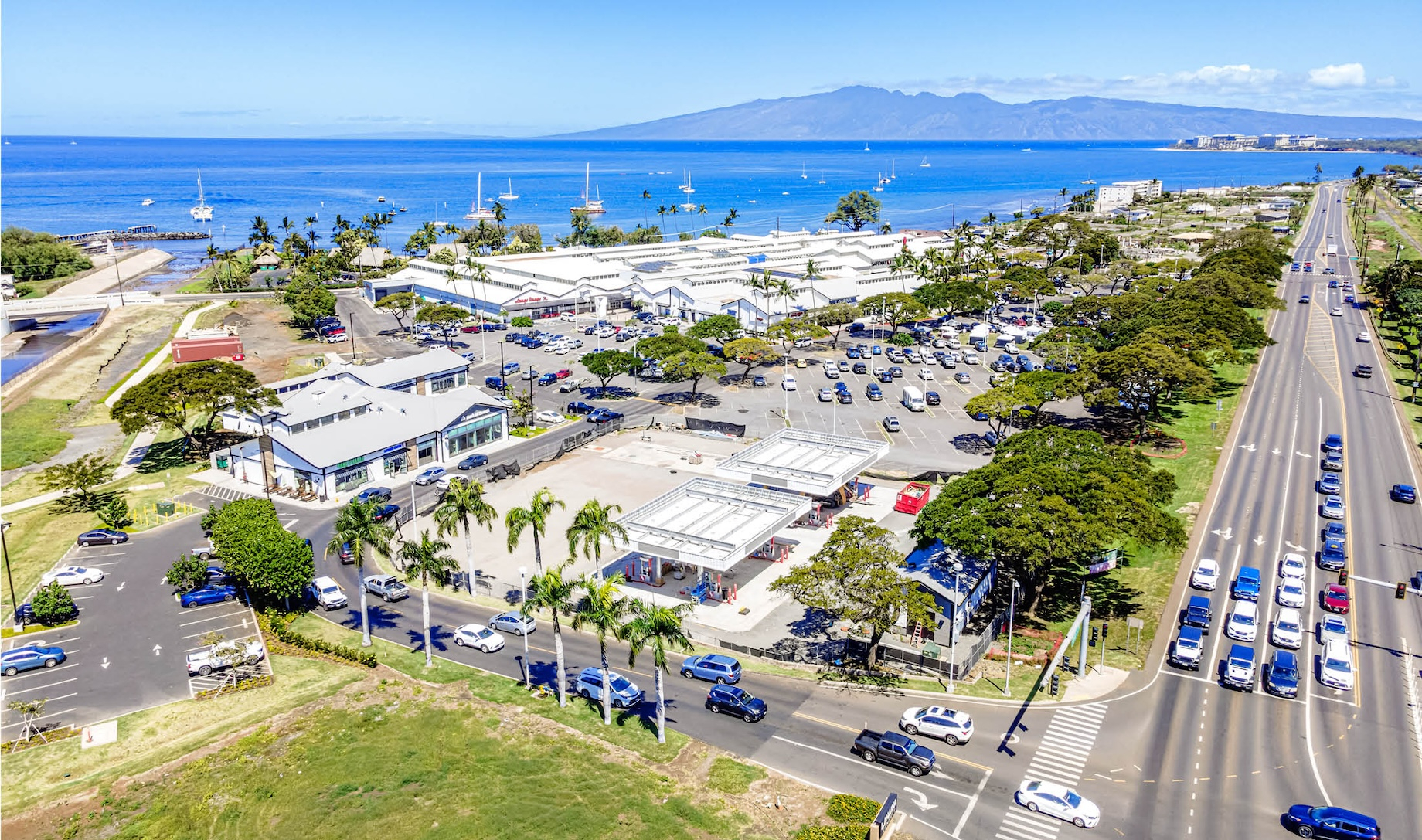
Lahaina Cannery spans 145,839 square feet. Photo courtesy of Northmarq
The two-property acquisition is the latest in a string of retail deals in the Aloha State. In September, Sterling Organization acquired the 78,608-square-foot Kapahulu Shopping Center in Honolulu. Six months earlier, BH Properties purchased the 75,000-square-foot Shops at Mauna Lani on the island of Hawaii. Also in March, a joint venture comprising affiliates of MW Group, Blackstone Real Estate and DivcoWest wrapped up its $2.3 billion take-private acquisition of Alexander & Baldwin, Hawaii’s largest owner of neighborhood shopping centers.
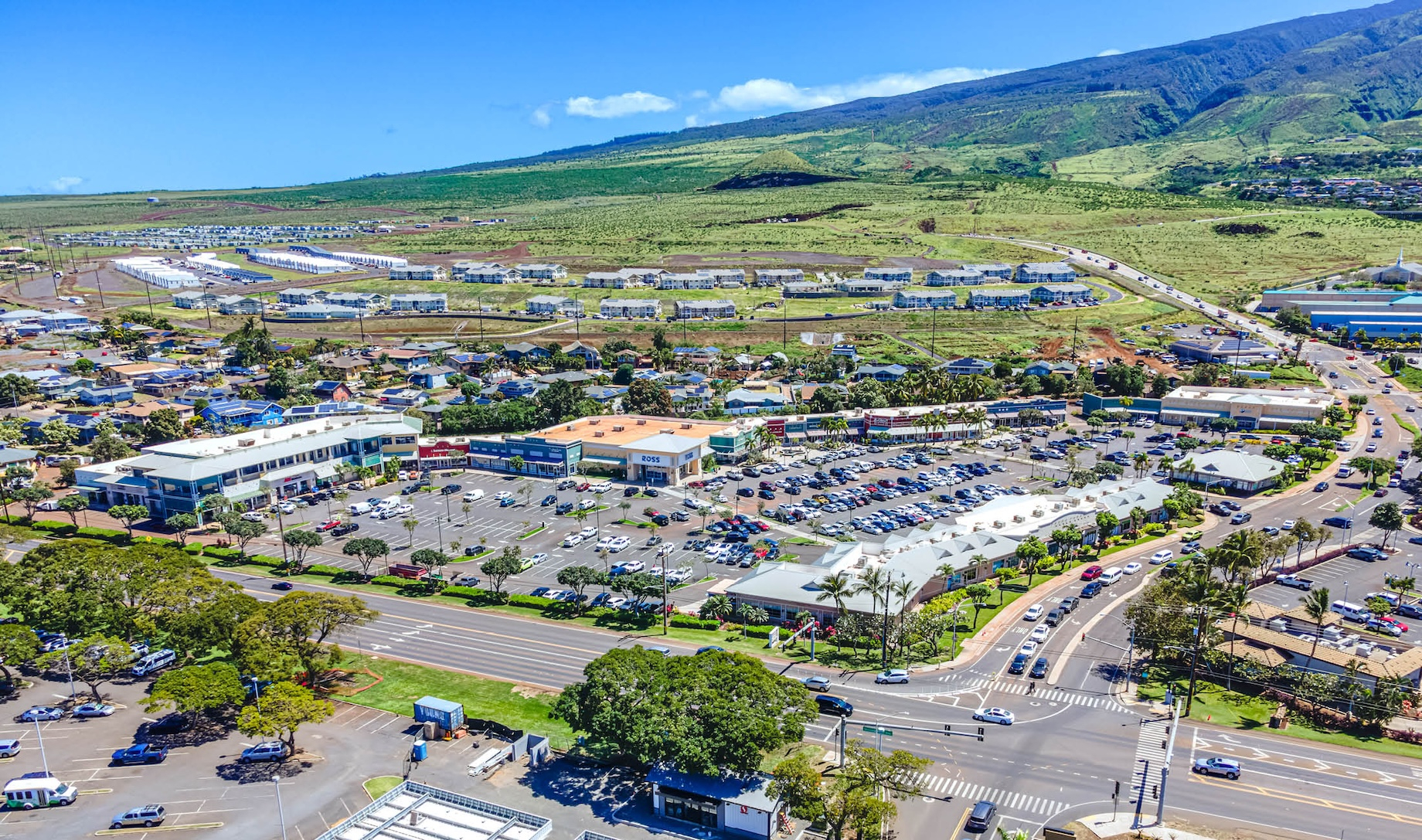
Lahaina Gateway encompasses 136,045 square feet. Photo courtesy of Northmarq
Publix-Anchored Center Sets Seminole County Sale Record at $69.1M
A Publix-anchored shopping center near the University of Central Florida sold for $69.1 million. The price set a new bar for the sale of a single retail property in Seminole County, said the Orlando Business Journal, citing CoStar data. Phillips Edison & Co. bought Alafaya Square, located in the Orlando suburb of Oviedo, from an affiliate of Epic Real Estate Partners, which MCB acquired last December, the Orlando Business Journal reported. Epic bought the property for nearly $50 million. Aside from Publix, tenants include Planet Fitness, IHOP and Keller Williams Advantage Realty.
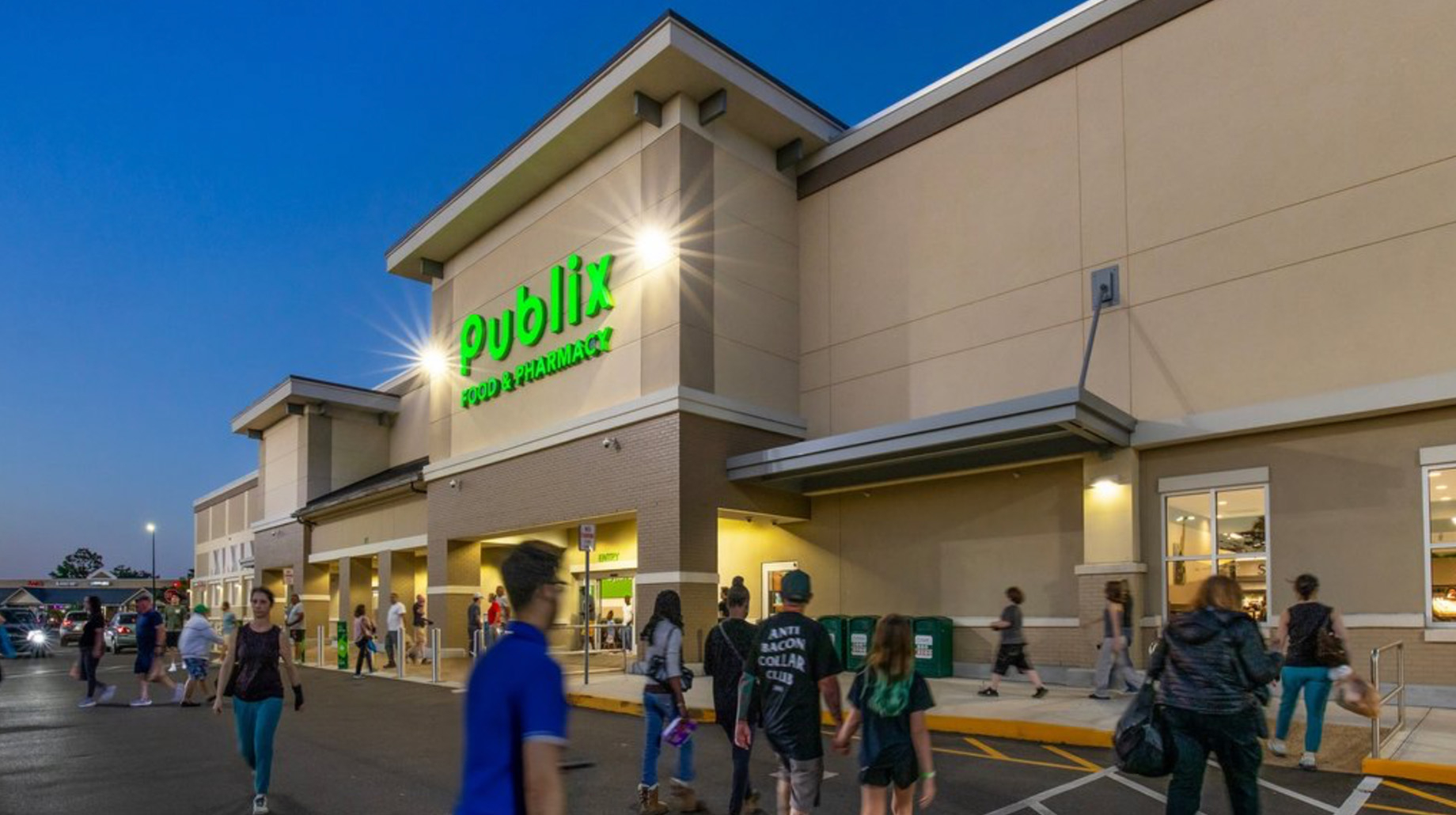
Publix anchors Alafaya Square in Oviedo, Florida. Photo courtesy of JLL Capital Markets
Trader Joe’s-Anchored Centers Command 25% Rent Premium in Atlanta
A new report from Hines Research found Trader Joe’s-anchored shopping centers in Atlanta benefited from higher-than-average rents. The report, The Retail Recovery, said centers anchored by Trader Joe’s commanded about $8 per square foot above average rents in the market, even after accounting for location. That translated to a roughly 25% rent premium and, all other factors being equal, a comparable lift in property value. Overall, retail has returned to the shopping lists of many investors, the report said, but Hines cautioned that “we believe they will need to be selective about what goes in the cart.” Hines suggested investors consider retail assets where supply constraints, income durability and operational upside have converged.
3 Canadian Restaurant Chains Set Sights on U.S. Expansion
Canadian restaurant concept Tahini’s Mediterranean Fusion plans to open 30 new franchised locations in the U.S. and Canada over the next two years, according to RestaurantNews.com. Tahini’s website says the chain operates more than 80 restaurants, including one in the U.S., and has 60 more under development across North America, including seven in the U.S. It aims to reach 500 U.S. locations over the next five years and, according to a 2025 Retail Insider article, 100 locations in Canada. States targeted for expansion include Alabama, Georgia, Illinois, Maryland, New Jersey, New York and Texas.
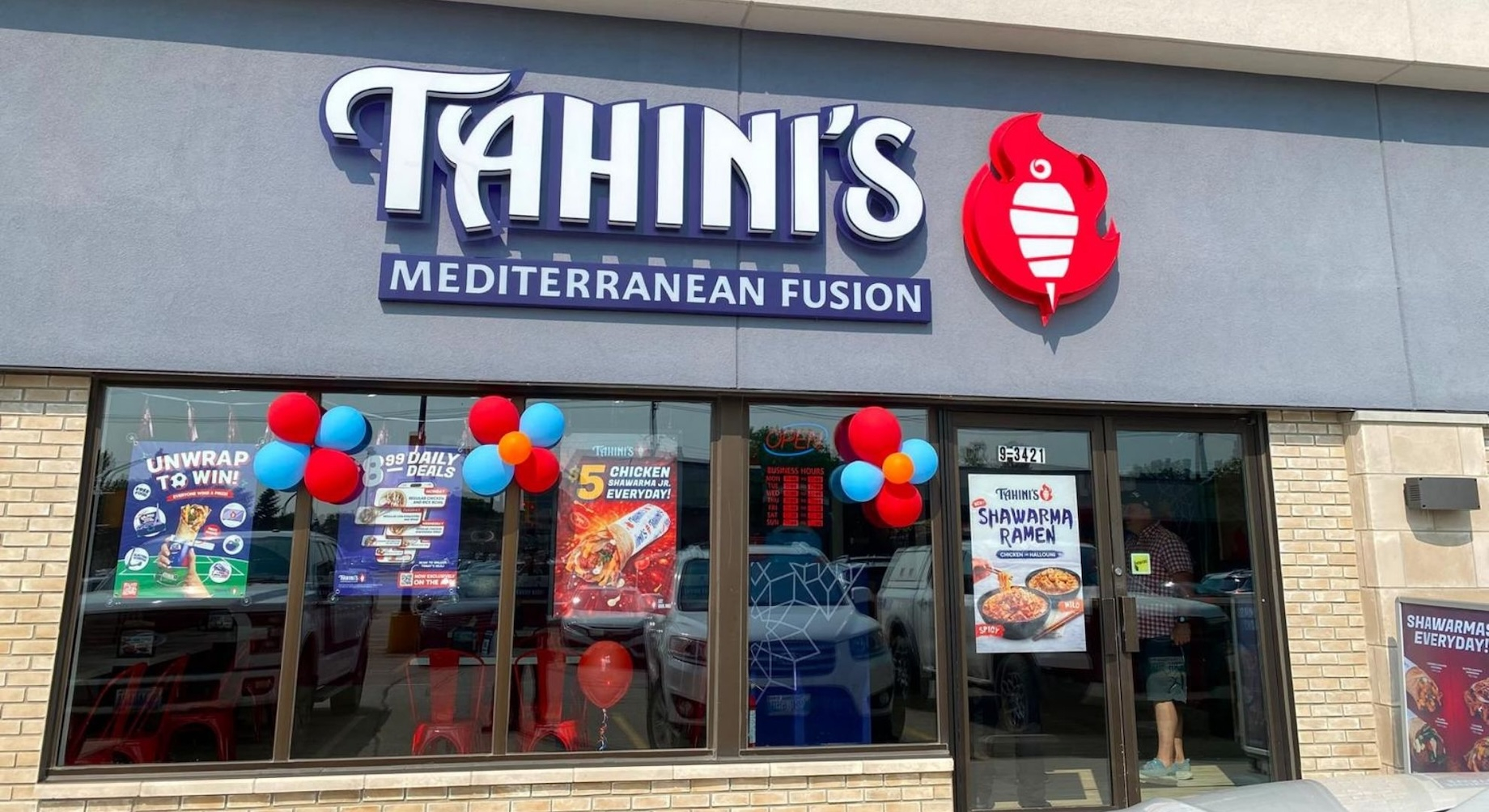
Tahini’s Mediterranean Fusion recently opened this restaurant in Winnipeg, Manitoba. Photo courtesy of Tahini’s Mediterranean Fusion
Separately in the Canadian restaurant business, Markham, Ontario-based investment firm Serruya Private Equity has formed joint ventures with Toronto-area restaurant franchisers Honestly Good Chicken Fingers and Egg Club to break into the U.S. market and expand in Canada, according to Franchise Times. Honestly Good Chicken Fingers operates four restaurants in the Toronto area and expects to open three more by early 2027. Egg Club, a fast-casual breakfast concept that operates 10 restaurants in Ontario and Alberta, also is pursuing expansion in Canada and entry into the U.S. market. Neither brand offered long-range store-count targets.
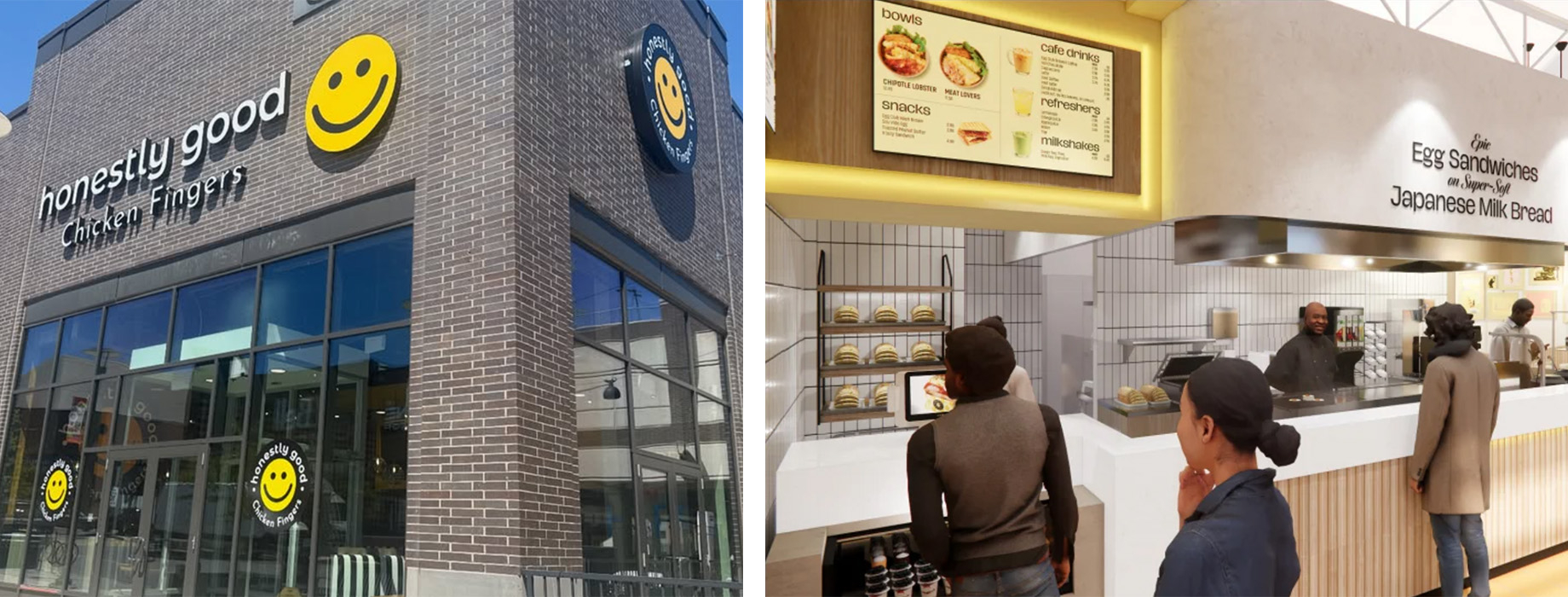
Canadian concepts Honestly Good Chicken Fingers and Egg Club are pursuing franchise opportunities in the U.S. and Canada. Images courtesy of Honestly Good Chicken Fingers and Egg Club
EQT Will Acquire Stockbridge for Up to $550M
Swedish investment firm EQT agreed to acquire U.S. real estate investment manager Stockbridge in a deal worth up to $550 million. The purchase price comprises $375 million upfront and another $175 million in potential payouts. As of March 31, Stockbridge had about $37 billion in assets under management. The company’s portfolio spans nearly 93 million square feet, including retail properties. Stockbridge, founded in 2003, serves about 180 institutional clients from six U.S. offices. EQT plans to fold Stockbridge into its EQT Real Estate business. f the deal closes as expected in the first quarter of 2027, Stockbridge CEO Terry Fancher will become vice chair of EQT Real Estate, Stockbridge CFO Kristin Renaudin will become global CFO and Stockbridge executive managing director Tuba Malinowski will become head of U.S. diversified real estate.
Leadership Changes at JLL and TSCG
JLL has named a new U.S. CEO, while TSCG announced two executive promotions as part of a leadership succession plan.
JLL Names Capital Markets Executive Mark Gibson U.S. CEO
JLL tapped Capital Markets Americas CEO Mark Gibson for the newly created role of U.S. CEO. JLL Capital Markets Americas president Kevin MacKenzie will assume Gibson's former position effective Jan. 1.

JLL Capital Markets Americas CEO Mark Gibson assumed the newly created role of U.S. CEO at JLL, and JLL Capital Markets Americas president Kevin MacKenzie will take over Gibson’s former job effective Jan. 1. Photos courtesy of JLL Capital Markets
TSCG Promotes 2 Executives to COO and CFO
TSCG has promoted Susan Ahlheit to COO and David Huntley to CFO, effective Jan. 1. Bob Wordes, a certified public accountant who is the current COO, will retire after 20 years with the company. The succession plan has been in the works for two years. Ahlheit joined TSCG in 1995 and now is executive managing director of operations. Huntley has worked for TSCG and a predecessor firm for 25 years. He currently serves as CFO of the company’s property management business and of TSCG Investors, for which he is also chief compliance officer. On Jan. 1, he will assume the chief compliance officer role for all of TSCG. In May, TSCG named Nichole Popovics president. In May, TSCG named Nichole Popovics president.
MORE FROM C+CT: TSCG’s New President Talks Expansion, Analytics and Retail Demand

TSCG has promoted Susan Ahlheit, at left, to COO and David Huntley, at center, to CFO. The changes will take effect on Jan. 1, upon the retirement of COO Bob Wordes, at right. Photos courtesy of TSCG
By John Egan
Contributor, Commerce + Communities Today