Jump to …
Boutique Fitness Brands Plan More Than 700 U.S. Openings in 2026
TJX and Fabletics Outline New Store Growth
5 Restaurant Chains Build Pipelines for Hundreds of New Locations
Retail Is a Leading CRE Demand Driver in Several U.S. Metros, NAR Index Indicates
Corebridge and Armstrong Launch JV To Acquire and Develop Retail Properties
Goldman Sachs Agrees To Acquire LCN Capital Partners for Up to $410M
Boutique Fitness Brands Plan More Than 700 U.S. Openings in 2026
Riding the health and wellness wave, a major player in the “vanity economy” is eating up retail space. A recent CBRE report, The Vanity Economy: How Beauty & Specialty Fitness Are Influencing Retail Demand, found that tenants in the boutique fitness category account for a rising share of retail leasing activity. Thirteen boutique fitness brands plan to open 715 locations totaling more than 1.5 million square feet in 2026, according to the report. “With $45.7 billion spent on the fitness category in 2025 and a strong ability to generate repeat foot traffic,” it noted, “these tenants add value to the centers they occupy and are particularly effective at absorbing second-generation big-box space.” Leading the charge are two Pilates concepts: Club Pilates, with 200 new studios on tap, and Strong Pilates, with 155 new studios on the horizon. These 355 locations will range in size from 1,200 to 2,500 square feet each, according to the report.
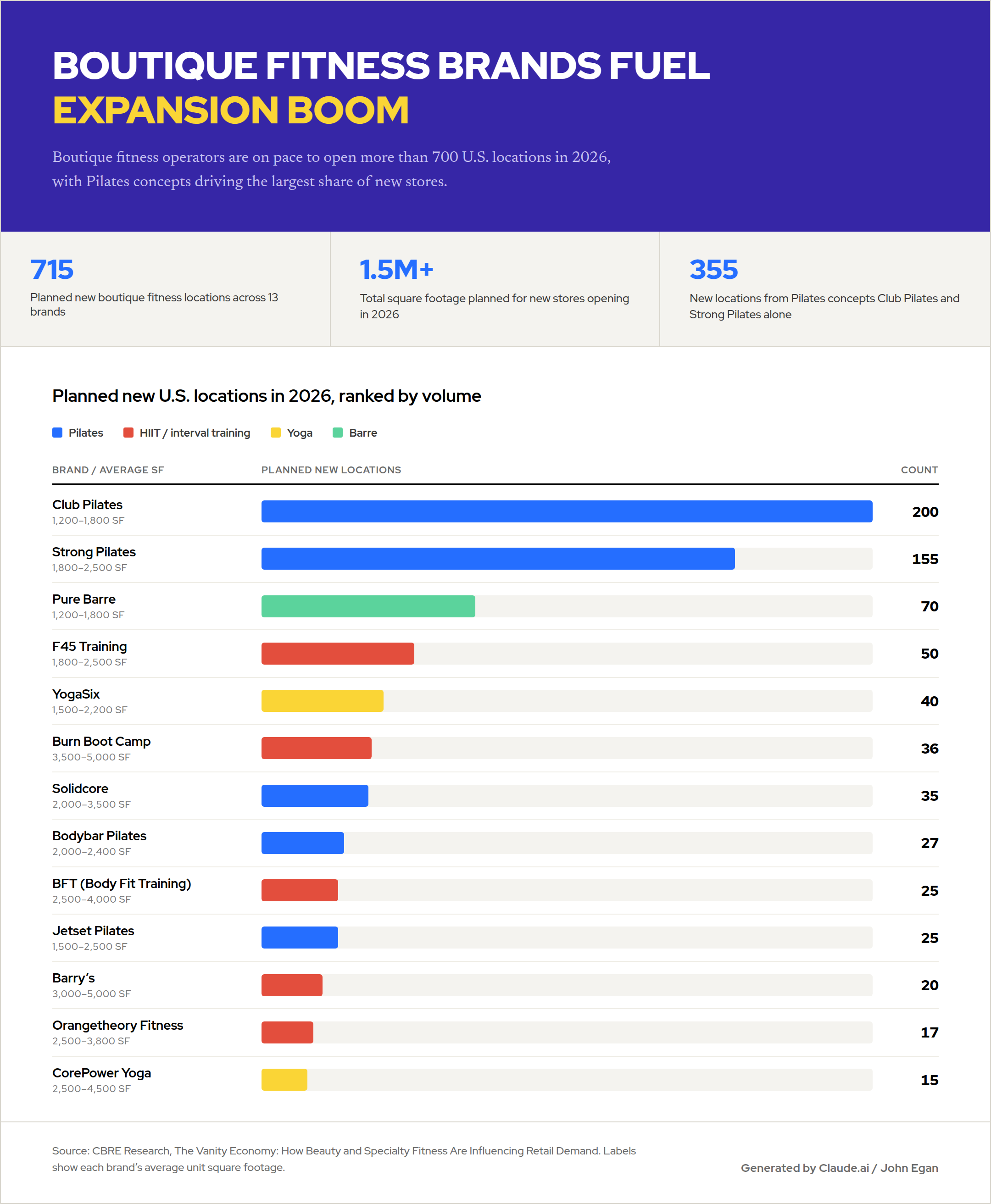
The surge in boutique fitness dovetails with leasing trends in retail. Last year, for the first time on record, service providers leased more space in the U.S. than merchants, according to CoStar. “Over the very long term, consumers have switched a lot of spending from retail goods to services in terms of share of wallet,” Coresight Research managing director of retail research John Mercer told NPR. “We think that [this] kind of long-term pattern will continue.”
TJX and Fabletics Outline New Store Growth
TJX Cos. and Fabletics are stepping up brick-and-mortar growth. TJX just raised its long-term store forecast by 500 locations, bringing its total footprint goal to 7,500 stores across 10 countries. Meanwhile, activewear brand Fabletics is opening 25 new U.S. stores over the next year as part of a broader 45-store global push.
TJX Raises Long-Term Store Target by 500 Locations
Seizing the momentum in off-price retail, TJX Cos. has raised its long-term global store target by 500 locations. During TJX’s second-quarter earnings call, senior executive vice president and CFO John Klinger said the increase brings the company’s total long-term expansion opportunity to more than 2,200 additional stores across 10 countries. The 500-store increase includes 300 new T.J.Maxx and Marshalls stores and 200 new stores in the HomeGoods division.
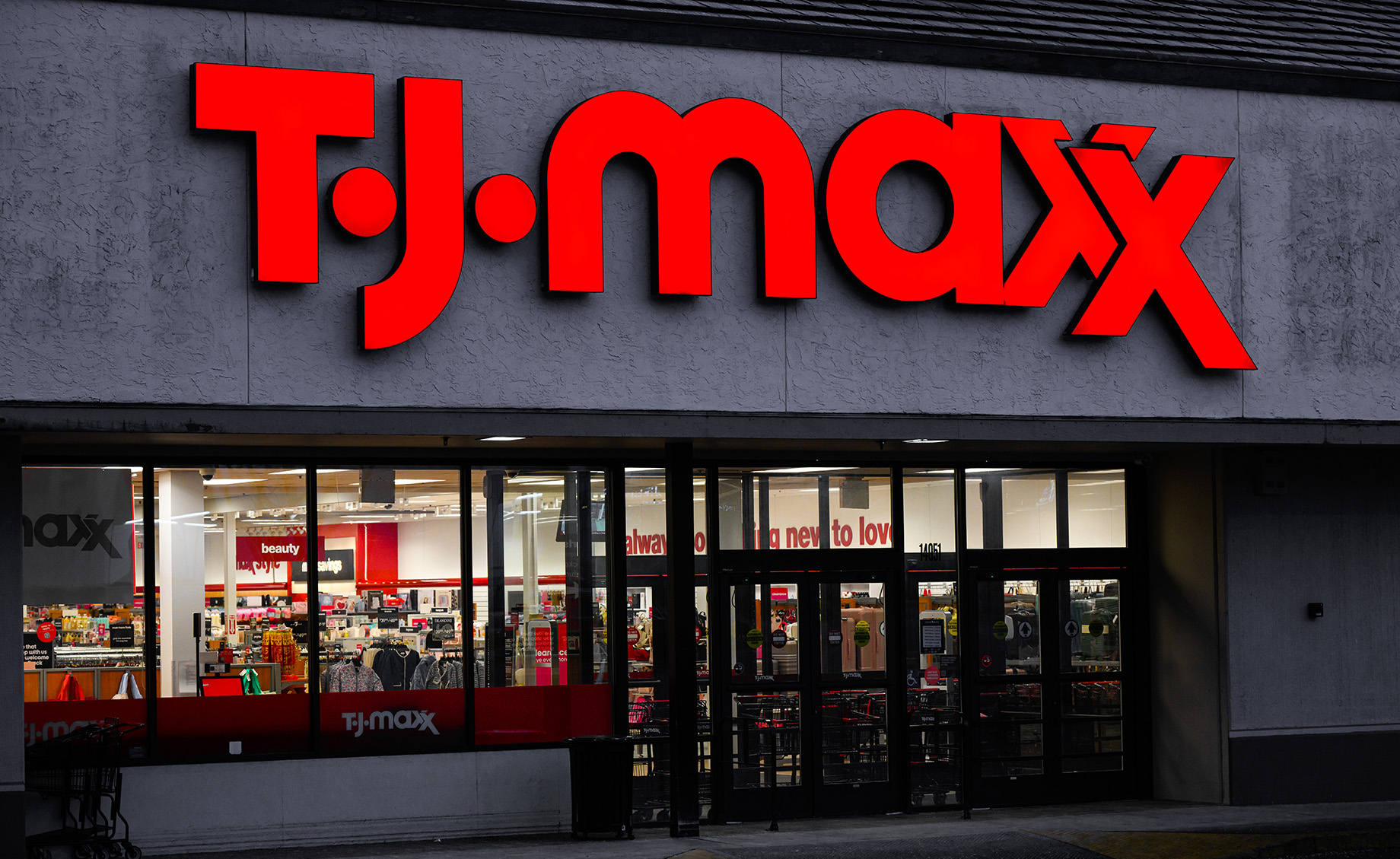
TJX Cos. sees room for more than 2,200 additional stores globally. A T.J.Maxx store in Woodinville, Washington, is pictured here in 2025. Photo credit: IanDewarPhotography - stock.adobe.com
Beginning in fiscal year 2028, TJX plans to grow its store base by about 4% annually, or more than 200 stores per year, Klinger said. The retailer now sees the potential to eventually operate about 7,500 stores globally, up from 5,285 at the end of the second quarter on Aug. 1. U.S. locations accounted for 3,841 of those stores, spanning 100 million square feet. In the second quarter of fiscal year 2027, TJX saw a 5.4% year-over-year jump in net sales.
Fabletics Will Open 25 New U.S. Stores Over the Next 12 Months
The Fabletics activewear brand is expanding its U.S. brick-and-mortar presence with 25 new stores over the next 12 months. A company spokesperson said the more than two dozen openings will take the brand from 126 to 151 locations nationwide. The stores will open in both new and existing markets, the spokesperson said. Fabletics additionally is planning to open 20 new stores internationally over the next year, including in India, the UAE, Colombia, Peru and across Central America.
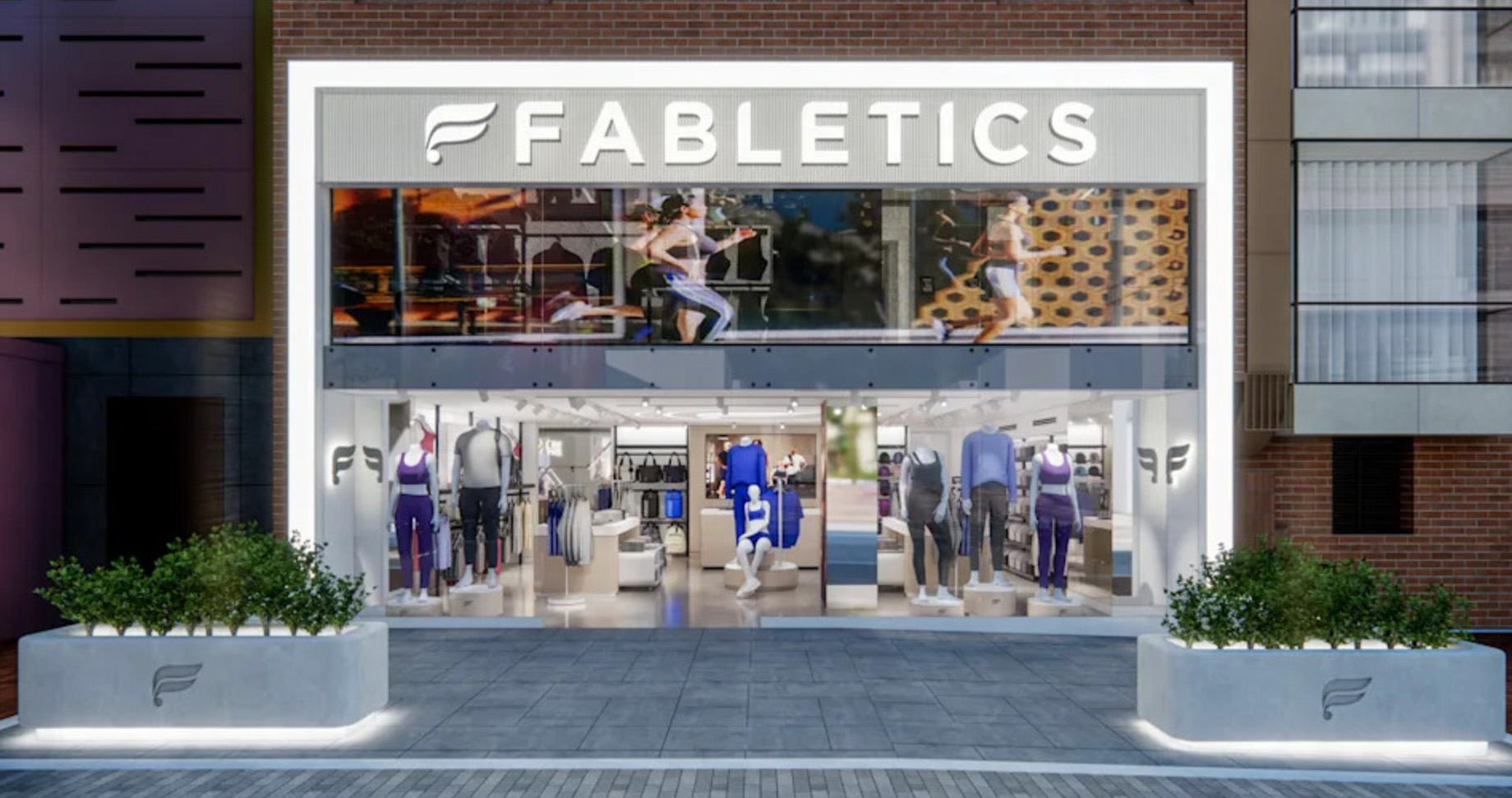
Fabletics currently operates 126 stores in the U.S. and plans to open 25 new locations in the next 12 months. The company also is expanding internationally, including an upcoming store in Colombia, shown here. Rendering courtesy of Fabletics/Globenewswire
5 Restaurant Chains Build Pipelines for Hundreds of New Locations
From breakfast spots to bagel shops, restaurant chains are gobbling up more space. First Watch and Another Broken Egg Cafe have close to 200 new locations in the pipeline, while Jeff’s Bagel Run is chasing more than 150. In addition, Cava is breaking into Las Vegas and the Bay Area as it tops 475 restaurants nationwide, and Shipley Donuts is entering Michigan and Ohio via new franchising deals.
First Watch and Another Broken Egg Cafe Have Nearly 200 Restaurants in Development
The development pipelines for two breakfast, brunch and lunch concepts are bursting with roughly 200 new restaurants on the drawing board. During First Watch’s second-quarter earnings call, president and CEO Christopher Tomasso said the chain’s pipeline “is as robust as ever,” with more than 100 projects in various stages of development. First Watch anticipates 60 to 62 net new store openings in fiscal year 2026, which ends on Dec. 27, as it targets a potential store count of 2,200. Of the new stores, 53 or 54 will be company-owned and nine or 10 will be franchisee-owned. At the end of the second quarter, First Watch operated 665 restaurants in 33 states.
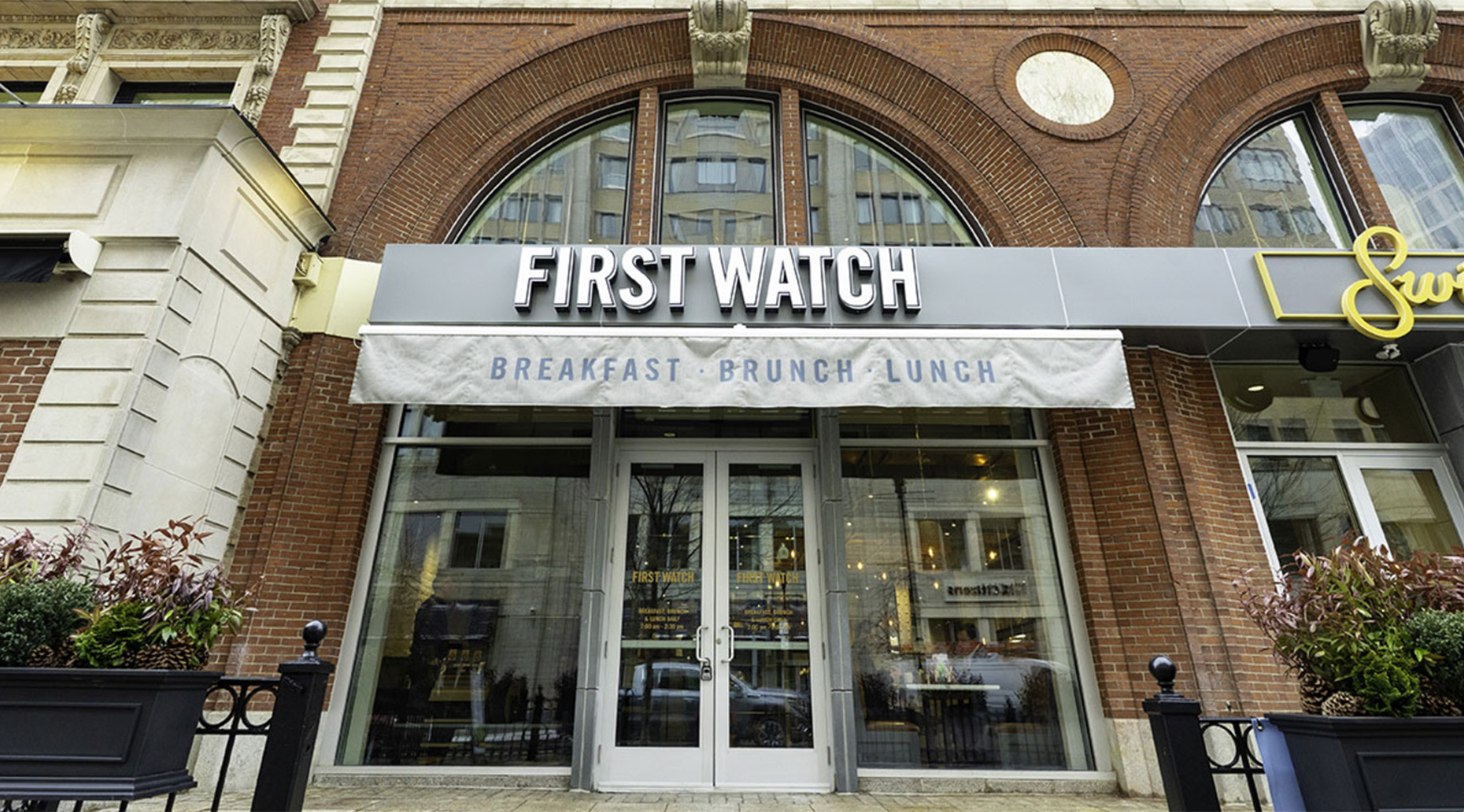
First Watch opened this restaurant in Boston’s high-end Back Bay neighborhood in January. Photo courtesy of First Watch
First Watch competitor Another Broken Egg Cafe aims to nearly double its U.S. footprint. The brand currently operates more than 100 cafes in 17 states and has almost 100 more in development across the country. Franchisees recently opened six new locations, with a seventh set to open on Aug. 31 in Naples, Florida. Additional openings are scheduled for later this year in California, Florida, Georgia, Ohio and Texas. “We have a menu that’s genuinely differentiated, and that’s what makes the unit economics work for our franchisees. Seven new cafes in that short [of] a window shows operators believe in that combination,” said president and CEO Jorge Salvat.
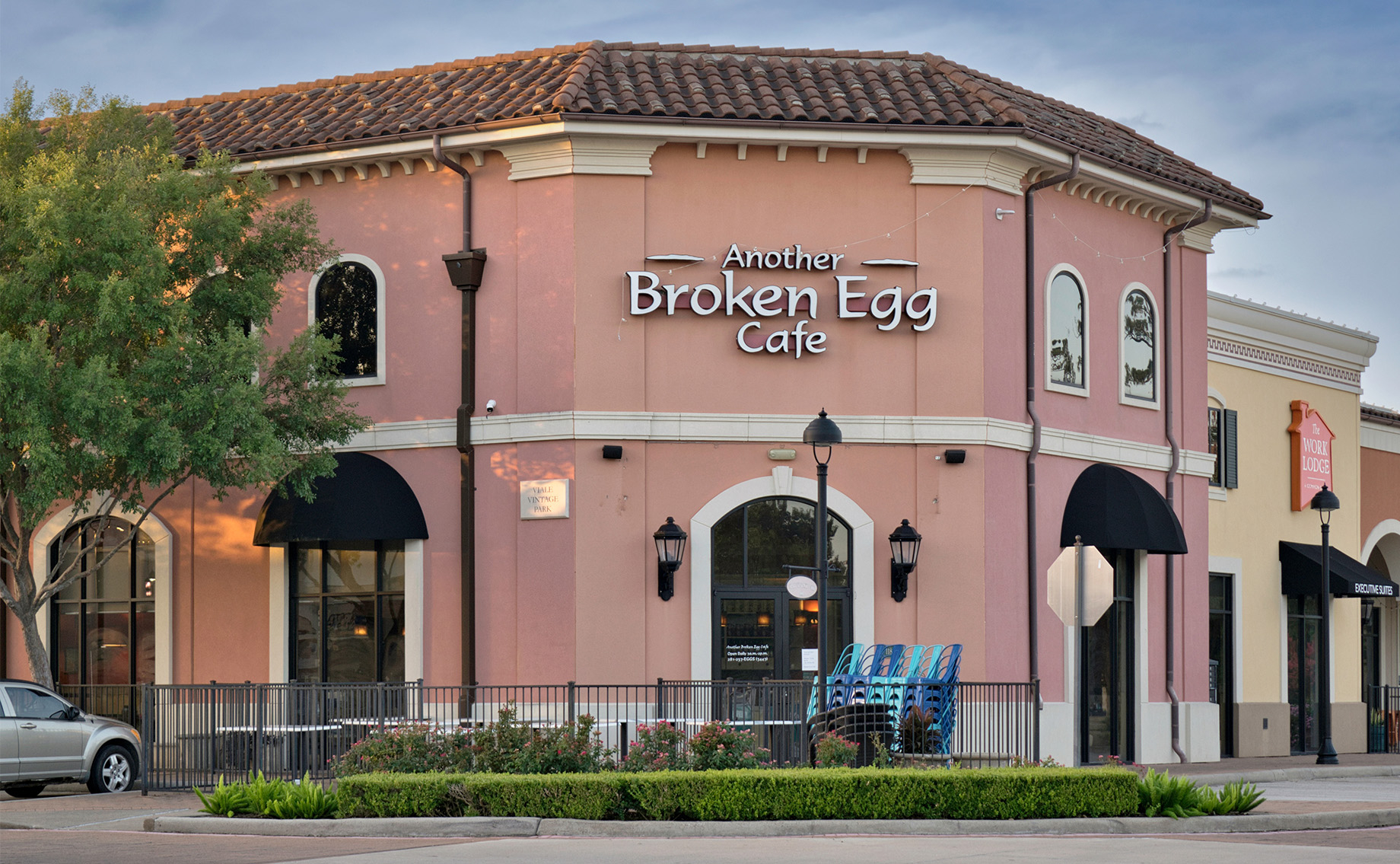
This Another Broken Egg Cafe location in Houston is pictured in 2024.The chain has nearly 100 new locations in development in the U.S. Photo credit: Brett - stock.adobe.com
Jeff’s Bagel Run Has More Than 150 Stores in Development
Jeff’s Bagel Run wants to take a bigger bite of the U.S. bagel market. The chain, which sells made-from-scratch, New York-style bagels, operates over 35 shops and has 150 more under development. For example, a Marco’s Pizza and Tropical Smoothie Cafe operator recently agreed to add seven franchised Jeff’s Bagel Run stores to its portfolio, with plans to develop even more locations, Franchise Times reported. The chain previously signed deals for 20 new franchised locations in the South and Mid-Atlantic, according to QSR. Jeff’s Bagel Run ranked 94th on this year’s Inc. 5000 list of the country’s fastest-growing private companies, with a three-year revenue growth rate of 2,829%.
Cava Heads to Las Vegas and San Francisco Bay Area as the Chain Tops 475 Restaurants
The Cava fast-casual Mediterranean restaurant chain is entering two major U.S. markets: Las Vegas and the San Francisco Bay Area. On the company’s second-quarter earnings call, co-founder, president and CEO Brett Schulman said Cava will break into the Las Vegas market later this year and the San Francisco Bay Area in 2027. Schulman said there’s “pent-up demand and excitement for our brand in these new markets.” In the second quarter, the chain opened 17 net new restaurants, bringing its total to 476 locations nationwide. Cava expects to close out fiscal year 2026, which ends on Dec. 27, with 75 to 77 net new stores.
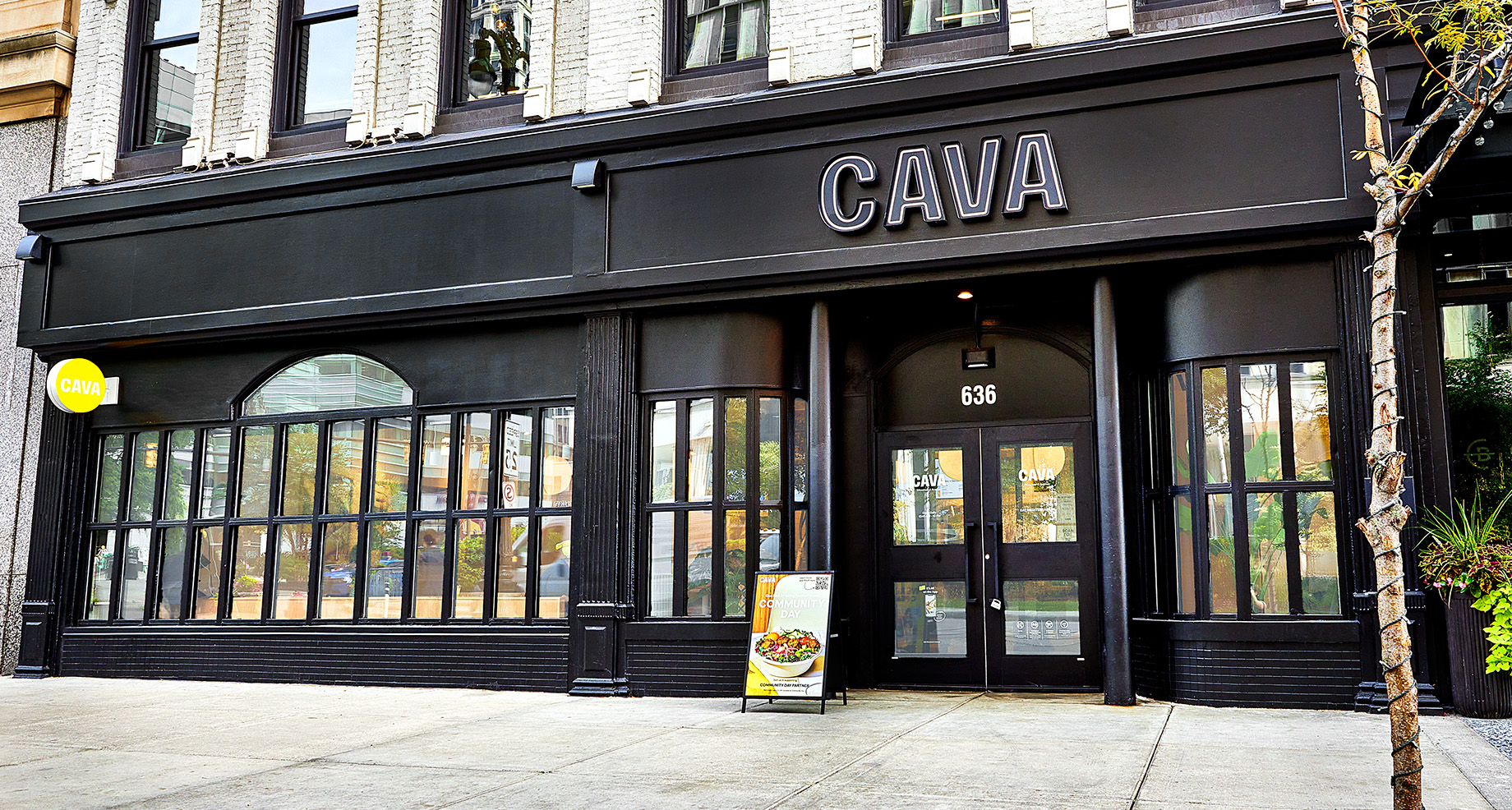
Cava operates more than 475 restaurants in the U.S., including this location in Detroit. Photo courtesy of Cava
Shipley Donuts Enters Michigan and Ohio Amid 23-Store Expansion
Shipley Donuts has sealed deals to enter the Michigan and Ohio markets. The chain, which sells doughnuts and Texas-style pastries called kolaches, recently signed a 15-store franchise agreement in the Detroit market and a three-store franchise agreement in the Cincinnati market. In addition, franchisees are adding two stores in Raleigh, North Carolina, and three in Stillwater, Oklahoma. Altogether, these deals will deliver 23 new stores. Shipley operates more than 390 franchised and company-owned locations in 13 states.
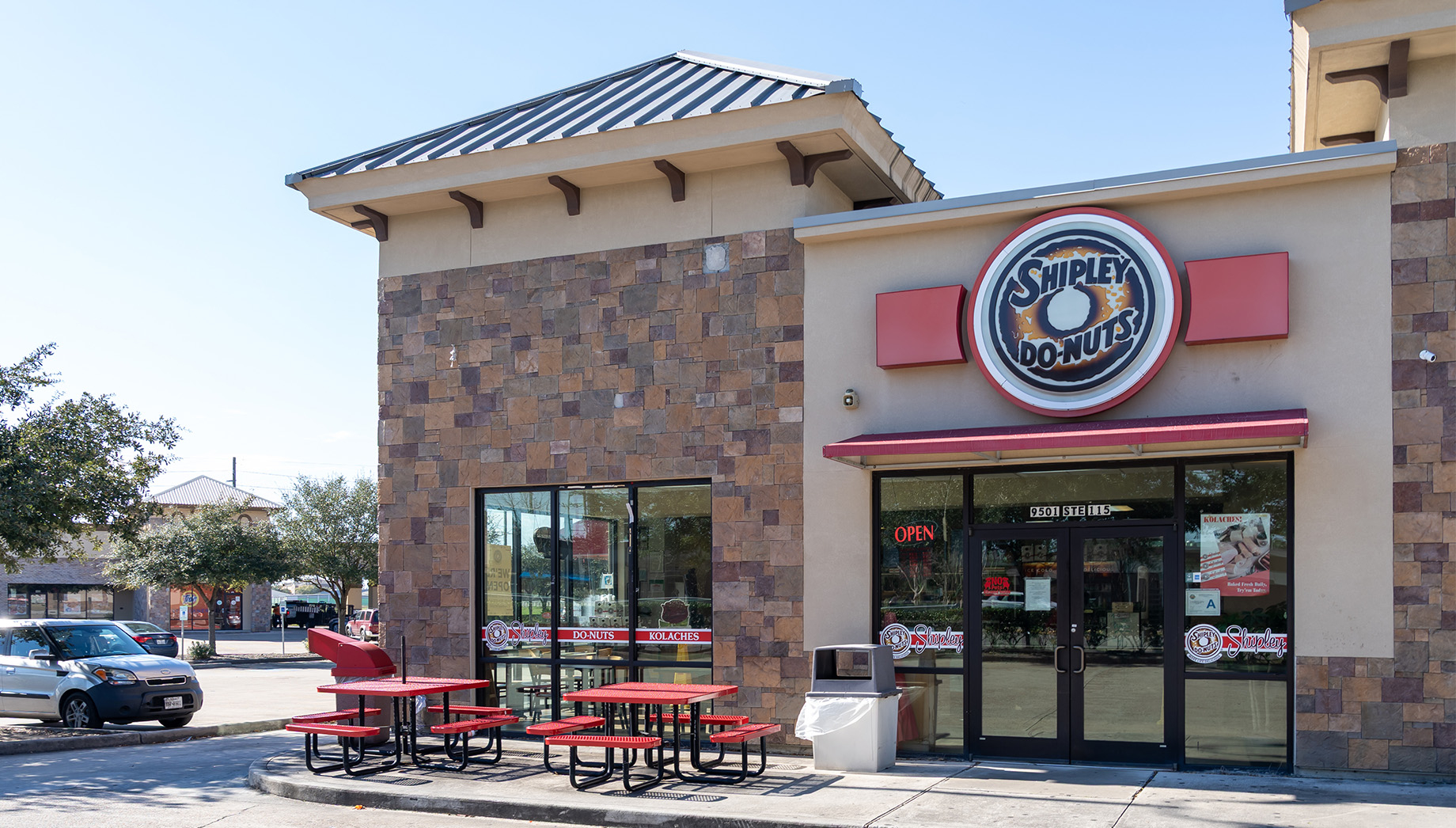
Newly inked franchise agreements will add 23 Shipley Donuts stores in four states. Photo credit: JHVEPhoto - stock.adobe.com
Retail Is a Leading CRE Demand Driver in Several U.S. Metros, NAR Index Indicates
Retail is the strongest commercial real estate demand driver in a number of secondary and tertiary U.S. metros, according to the National Association of Realtors’ inaugural Commercial Real Estate Demand Index. Among the 306 metro areas tracked by the quarterly index, retail was the strongest driver in Abilene, Texas; Gainesville, Georgia; Greenville-Anderson-Greer, South Carolina; Bangor, Maine; Barnstable Town, Massachusetts; and Auburn-Opelika, Alabama — all of which ranked among the index’s top 60 markets overall. The index tracks economic conditions that may support demand for commercial space rather than actual leasing activity, rents or absorption, the association said. Its retail score is based on employment growth in the retail trade and leisure and hospitality sectors.
Corebridge and Armstrong Launch JV To Acquire and Develop Retail Properties
Corebridge Real Estate Investors and Armstrong Capital Development’s ACD Fund V have formed a joint venture to acquire and develop retail properties in high-growth U.S. markets. Corebridge and Armstrong launched the JV with the $36 million purchase of Townridge Shopping Center, a 273,105-square-foot, Walmart-anchored retail center in Raleigh, North Carolina, from Zeisler-Morgan Properties.
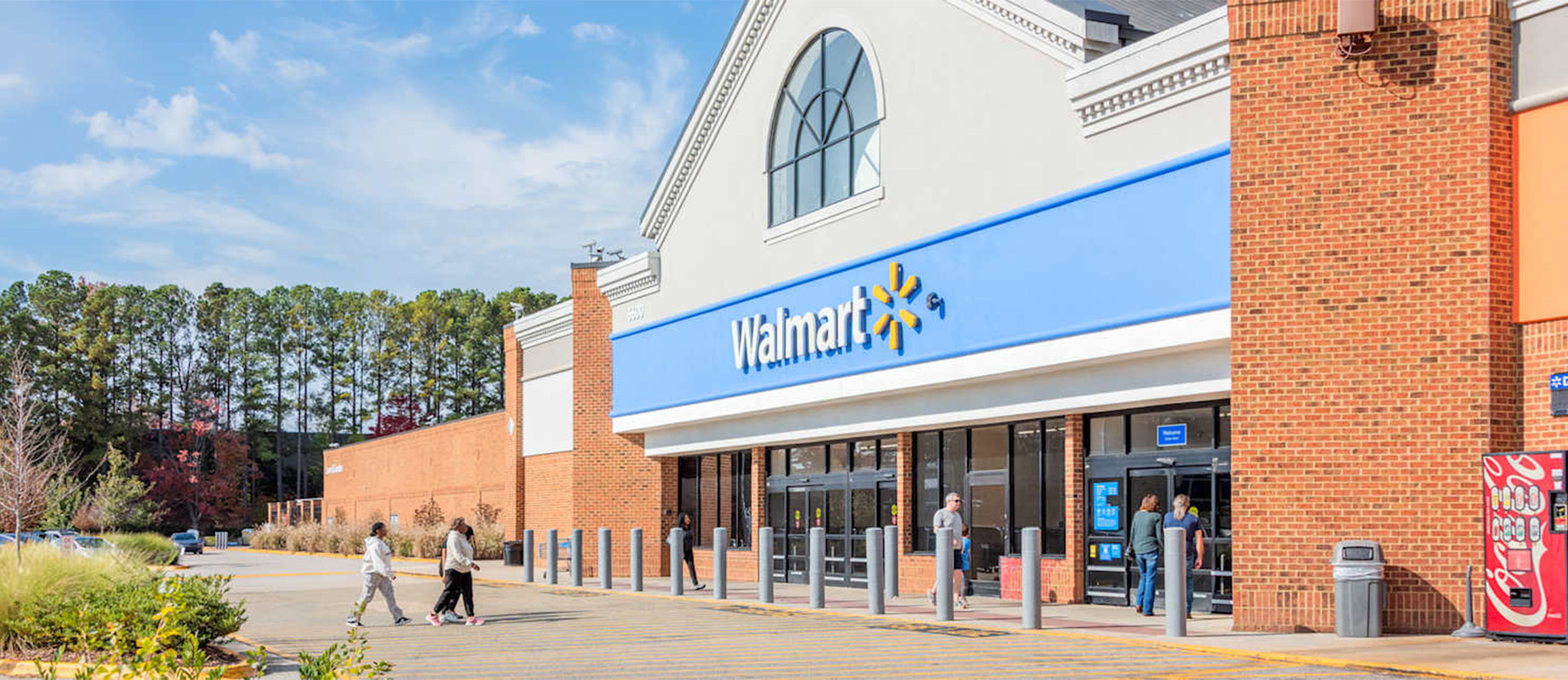
Townridge Shopping Center is a Walmart-anchored retail center in Raleigh, North Carolina. Photo courtesy of JLL
Goldman Sachs Agrees To Acquire LCN Capital Partners for Up to $410M
Investment bank Goldman Sachs has agreed to acquire LCN Capital Partners, a real estate investment manager specializing in sale leaseback, triple net lease and build-to-suit deals, for as much as $410 million. Once the acquisition closes, LCN co-founders Edward LaPuma and Bryan York Colwell will join the real estate arm of Goldman Sachs Asset Management. As of June 30, the 15-year-old firm managed a roughly $7 billion portfolio with over 375 properties in North America and Europe spanning more than 45 million square feet. According to LCN’s website, retail tenants include 7-Eleven, Life Time, Staples, Ashley Furniture and restaurant operator Bloomin’ Brands.
By John Egan
Contributor, Commerce + Communities Today