The Short Version
- More property owners are using specialty leasing tenants to test concepts, fill vacancies and create new experiences.
- Demand for short-term inline space is growing beyond enclosed malls to open-air centers and mixed-use properties, where larger footprints allow brands to build awareness and drive stronger sales.
- Automated retail — from vending concepts to collectible merchandise — is opening new specialty leasing opportunities and generating revenue from underused space.
- Property owners are treating specialty leasing as part of the overall property experience, curating tenants more intentionally to support merchandising and community goals.
- Integrating specialty leasing with sponsorships, events and other ancillary programs can help properties generate additional revenue and activation.
Specialty Leasing Is No Longer Just Short-Term Space
Specialty leasing’s track record of driving revenue is clear enough, but its exact definition can be fuzzy after decades of growth and change. Some see specialty leasing as applying to any lease with less than about 36 months of term; others see it as pertaining to any agreement in which the landlord has termination rights, no matter the size of the space or the length of the lease.
Veteran specialty leasing executives and consultants are unanimous about one thing: Today, this category is doing more than ever to help property owners ramp up traffic and sales.
New this year! ICSC+SPECIALTY at ICSC@FLORIDA
An exclusive gathering of marketers, retailers, and operators to explore the dynamic world of specialty leasing and marketing. To sign up, select the ICSC+SPECIALTY box during registration for ICSC@FLORIDA.
Learn more and register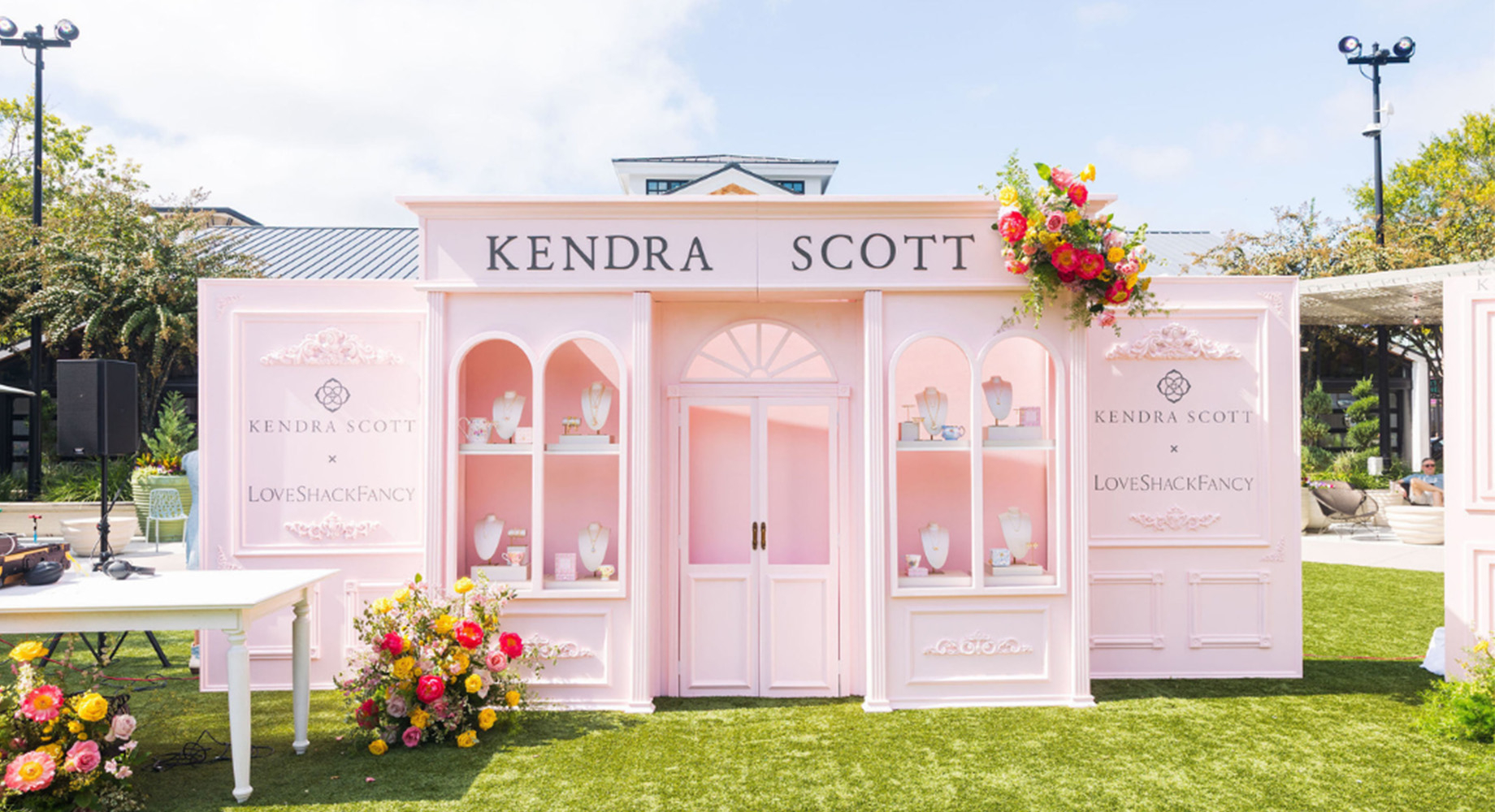
A Kendra Scott pop-up at Trademark’s Market Street – The Woodlands. The accessories brand also has a permanent space at the property. Photo above and at top courtesy of Trademark Property Co.
Inline Pop-Ups Are Expanding Beyond Enclosed Malls
Enclosed malls are still specialty leasing hot spots, but Blue Butterfly partner Patricia Norins says demand for short-term, inline spaces is growing at open-air centers and mixed-use developments. “I recently spoke with a grocery-anchored shopping center owner who is now seeing the value of incorporating specialty leasing,” she said. “More property owners are recognizing the advantages of shorter-term tenants within their merchandising mix, whether it’s testing new concepts, filling vacancy with intention or creating a sense of freshness and discovery for the customer.”
Operators are becoming more aware of the value of short-term inline spaces as compared with retail merchandising units, or RMUs. “They recognize the direct correlation between selling-space and sales,” Norins said. “A 5-by-8 RMU simply cannot generate the same sales volume as a 1,500-square-foot store.”
Larger spaces allow these tenants to expand their product assortments while introducing more brand-building elements and fixtures. In addition, Norins said, “landlords typically have a greater appetite for longer-term agreements with inline tenants versus RMU deals, giving retailers the runway needed to translate their initial investment into long-term success.”
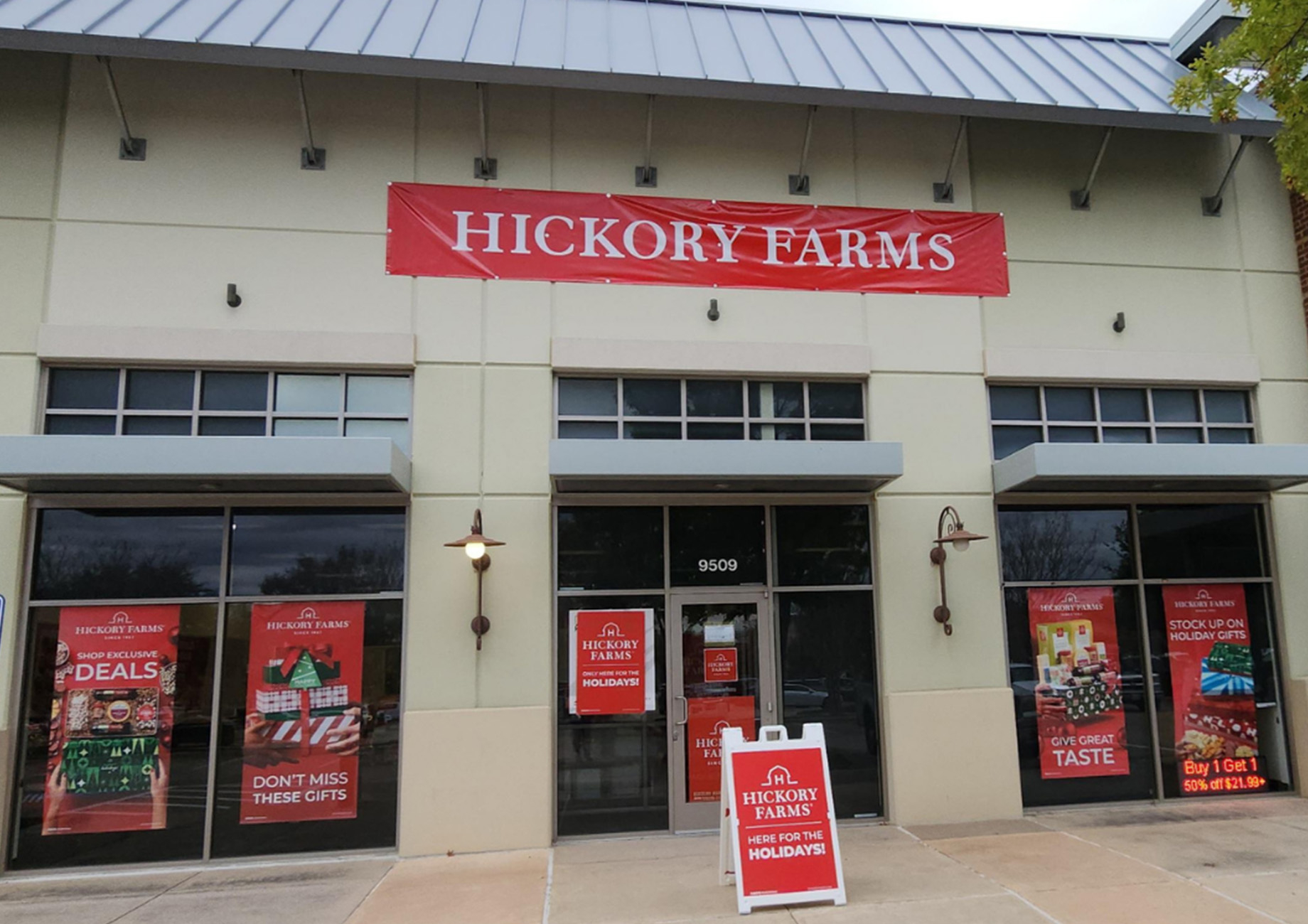
An inline space leased by specialty food and gift retailer Hickory Farms at Trademark’s Alliance Town Center in Fort Worth, Texas. Photo courtesy of Trademark Property Co.
Experiential Concepts Are Moving Into Larger Inline Spaces
Proprietors of creative concepts also appreciate the breathing room that larger inline spaces can provide. Green Cardinal Consulting founder Lindsay Major points to Chicago’s just-opened Strip Club Photo Booth Studio as an example of what some extra square footage can make possible. It’s an inline, streetfront space with a collection of vintage photo booths. “Guests pay an admission fee to explore, interact and create social media content,” Major said. “It speaks to how experiential retail can drive both traffic and dwell time when it’s executed thoughtfully.”
Specialty leasing concepts like this are taking off in part because members of Gen Z love “nostalgic experiences that are completely new to them,” Major said. “It’s all about the memory and social connection they create.”
Concepts based on gaming are popular, as well, and short-term leasing operators continue to take crafting in new directions. “Operators are expanding into more specialized and elevated offerings, such as stained glass and Turkish mosaic lamp workshops, leatherworking and terrarium design, which appeal to customers looking for social and skill-based activities,” Major said. “These concepts encourage repeat visits, which is incredibly valuable from a landlord’s perspective.”
Norins, whose consultancy has done thousands of short-term lease deals with both property owners and retailers, has executed multiple inline pop-up concepts with artist co-ops. “They bring local artists into a single space and give them the opportunity to sell their work,” she said.
Automated Retail Drives More Specialty Leasing Revenue
According to Grand View Research, the overall U.S. vending machine market hit $15 billion in 2024 and will grow to nearly $20 billion by 2033. Instead of scrounging for quarters or trying to feed wrinkled bills into slots, consumers now can just tap contactless cards or wave smartphones linked with Apple Pay or Google Pay. This preference for “fast, touch-free transactions” is part of why cashless payments fueled 75% of U.S. vending machine revenue in 2024, according to the report.
That growth creates specialty leasing opportunities. “Automated retail is really trending here in the U.S. market,” Norins said. “It’s everything from Pop Mart to Japanese anime concepts to food.” Her team recently executed deals involving Mini Melts Ice Cream, Barbie, Hot Wheels and NekoDrop, a Japanese-inspired concept featuring anime figures, blind-box collectibles and trading cards.
MORE FROM C+CT: Asian Retail Brands Are Chasing Space In the U.S. Here’s How They’re Setting Up Shop
Norins added that landlords can still derive revenue from spaces that are not in the right condition for long-term tenants by putting automated retail units in a single, branded space.
Those growth predictions for automated retail make sense to Major. “The possibilities are endless because you can customize a vending machine to accommodate a wide range of offerings from pecan pies to pizza to higher-end collectibles and Lego sets,” she said. “As technology continues to advance, I think we’re only beginning to scratch the surface of what automated retail can become and where it can be placed.”
MORE FROM C+CT: Turning Unused Spaces Into Experiences That Drive Traffic and Sales
Property Owners Are Treating Specialty Leasing as Part of the Experience
Some landlords are starting to see specialty leasing as a component of the overall experience as opposed to a mere revenue driver, sources said. Earlier in her career, in the heyday of regional malls, specialty leasing veteran Sarah Uren worked on properties that had RMU budgets of up to $1 million, but not much thought went into how all those carts and kiosks affected the overall experience, she said.
Uren is now vice president of ancillary revenue for Trademark, where she treats specialty leasing and ancillary revenue as parts of a larger whole. “It’s not just about the dollars or filling space,” she said. “We push away some prospective tenants because our focus is on making the environment cohesive.”
At a family-friendly mixed-use property, that might mean saying “no thanks” to a CBD tenant with dark and trippy graphics while canvassing hard on Instagram or TikTok to find the perfect street-food vendor for the central plaza. “Trademark is big on creating a type of community or green space within every property, including our enclosed malls, that brings people together,” Uren noted.
This past January, Trademark began managing the 1 million-square-foot Beachwood Place, east of Cleveland, on behalf of owner MetLife Investment Management. When taking on new properties, “getting those common areas cohesive is our first step,” Uren said. “We want to figure out what we need and how we can upgrade that mix. It has to be cohesive and inviting versus millions of carts throughout the center.”
As Norins sees it, property owners are now interested in using specialty leasing tenants to create “exciting experiences and places of discovery in their shopping centers. The right approach to specialty leasing can check all of the boxes for that.”
Specialty Leasing Is Becoming Part of a Broader Revenue Strategy
Uren’s responsibilities include not just specialty leasing but also ancillary revenue from things like corporate sponsorships and events, local food festivals and contracts related to electric vehicle charging stations, solar arrays, cell towers, digital signage, holiday photos and more.
Combining specialty leasing with ancillary revenue might not be a fit for large REITs that have their own advertising operations, Uren noted, but it works well for Trademark. “Companies that do sponsorships also do pop-ups and experiences,” she said. “When you have it all under one bucket, you’re not competing for space in the common areas.”
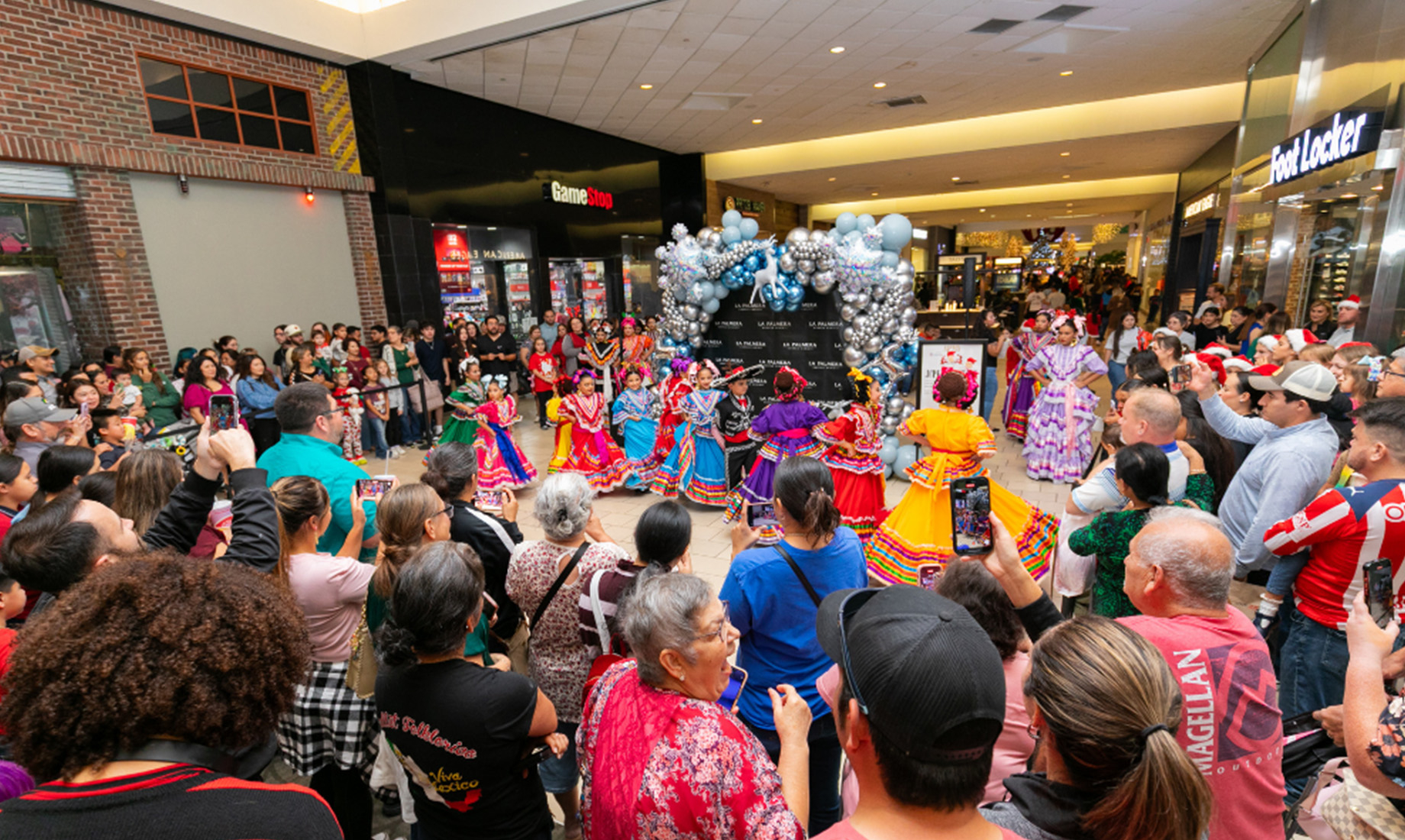
Trademark looks for ways in which events and specialty leasing can be mutually supportive. The annual holiday event at La Palmera mall in Corpus Christi, Texas, features live music and entertainment, arts and crafts and other family-friendly activities. Photo courtesy of Trademark Property Co.
Treating these dimensions of the business as interconnected also creates opportunities. In tandem with a six-week outdoor golfing experience, for example, the team might bring in a pop-up specializing in golf accessories and secure a digital signage sponsorship from a local golf association. “Specialty leasing and ancillary revenue can work together to generate more revenue and more excitement,” Uren said.
By Joel Groover
Contributor, Commerce + Communities Today