The Short Version
- Second Horizon Capital targets large-scale, underinvested retail centers that it believes can be repositioned through capital investment, active operations and community engagement.
- Founded in 2021, Second Horizon recently acquired its seventh property, Florida’s 710,000-square-foot Melbourne Square enclosed mall.
- The firm describes itself as a market-rate impact investor, arguing that stronger community relevance and long-term asset durability can support better risk-adjusted returns.
- Across its portfolio, Second Horizon is investing in infrastructure, leasing, local partnerships and community programming, including nearly 800 events this year and work with more than 200 community partners.
A Market-Rate Investor’s Community-Focused Bet on B Malls
While some Class B mall owners have been throwing in the towel, Second Horizon Capital sees an opportunity to acquire, invest and reposition centers to create new community assets. Founded in 2021, the investment firm recently made its seventh acquisition, Florida’s 710,000-square-foot Melbourne Square enclosed mall. Commerce + Communities Today contributing editor Beth Mattson-Teig talked with managing partner and co-founder Howard Levine about the firm’s strategy to revitalize large-scale, underinvested shopping centers.
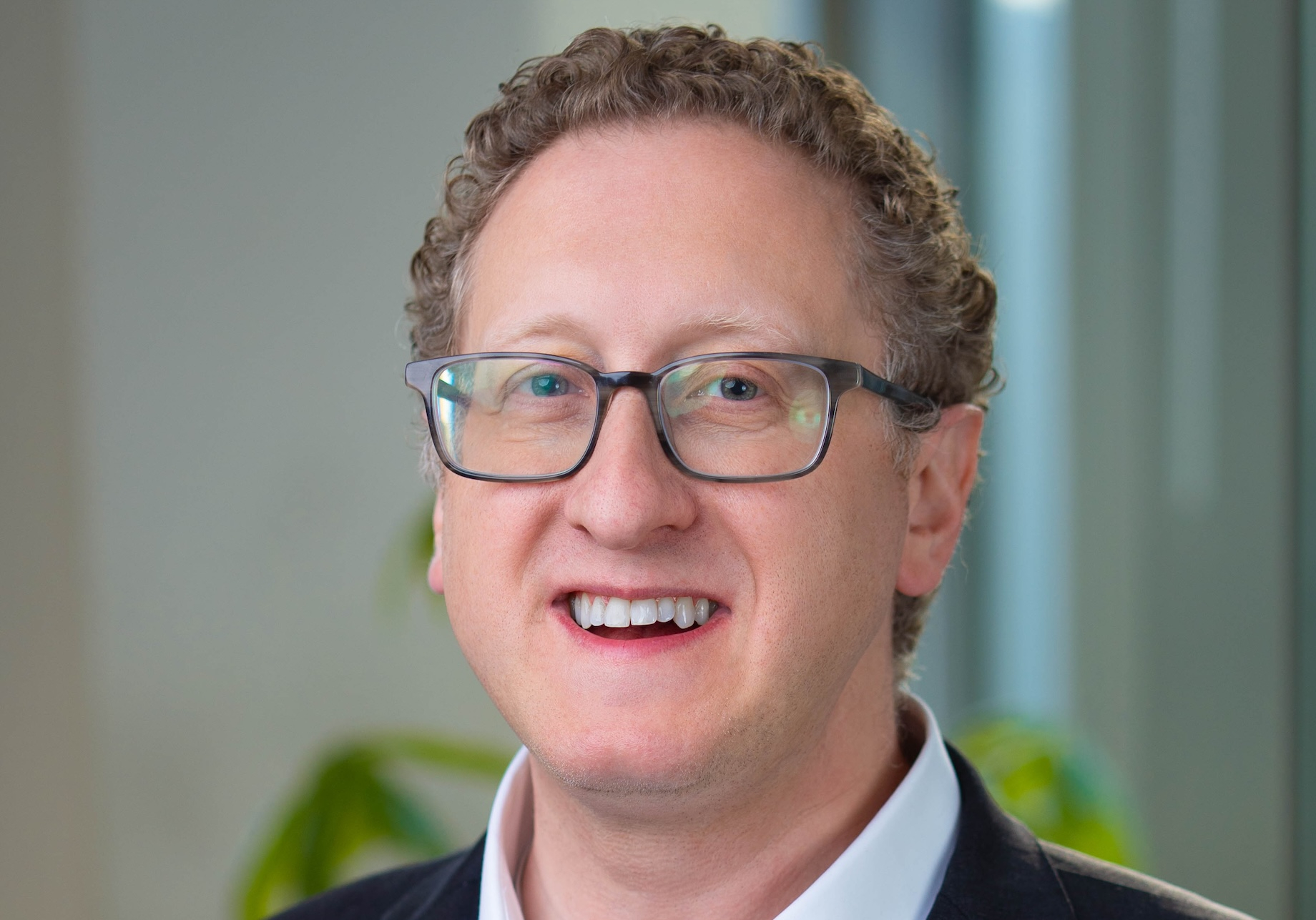
Second Horizon Capital’s Howard Levine Photo courtesy of Second Horizon Capital
We’ve been talking about struggling malls for many years. How deep is the opportunity set?
When we started, my business partner, [Camilo Varela], and I saw ... a growing pipeline of over-levered and underinvested, community-relevant retail assets. Many of these properties were ending up with owners who were not making meaningful investments, and we saw an opportunity to bring a more proactive, community-oriented and impact-focused approach to revitalizing them.
We continue to see an expansive set of underinvested retail assets that would benefit from a more proactive investment approach. When we evaluate centers and markets, we focus on market demographics and market position for the individual center, as well as on community structure, the community’s engagement with the center and what that market wants for the center’s future. Since starting Second Horizon Capital, we’ve looked at well over 100 malls, and less than 20% have been a fit for what we do. Of those that do fit, we do extensive work focusing on which ones specifically are a match for our style of capital investment and our style of sponsorship to identify where we can be most effective as both acquirers and as stewards of the centers over the long term.
How do you figure out which properties would work and which wouldn’t? Is there both an art and a science to it?
There’s a lot of nuance to each center. Every center has a different history and got to its situation in a different way, so we look at each individual property and think about what the impact is going to be if we bring in new resources. Some of them are really in a spot where they would benefit from high-touch sponsorship and benefit from real focus. Others are at a spot where, if you put in that type of effort, you might not get a result because the market’s not there or because the physical infrastructure is not in a place where you can pick things back up again. It’s not necessarily art or science because it’s not really a feeling and not entirely quantitative, but it does require a great deal of diligence to get a sense of what the opportunity set looks like if we bring this type of model and what the risks look like.
Can you sum up your investment strategy?
Second Horizon Capital is an impact investment firm. We are focused on acquiring large-scale, underinvested retail properties and revitalizing them through targeted capital investment, active operations, community engagement and long-term stewardship.
Our portfolio today includes:
- Stony Point Fashion Park in Richmond, Virginia
- Kingston Collection in Kingston, Massachusetts
- Park Plaza in Little Rock, Arkansas
- Chicago Ridge Mall in Chicago Ridge, Illinois
- Layton Hills Mall in Layton, Utah
- Orange Park Mall in Orange Park, Florida, and
- Melbourne Square in Melbourne, Florida
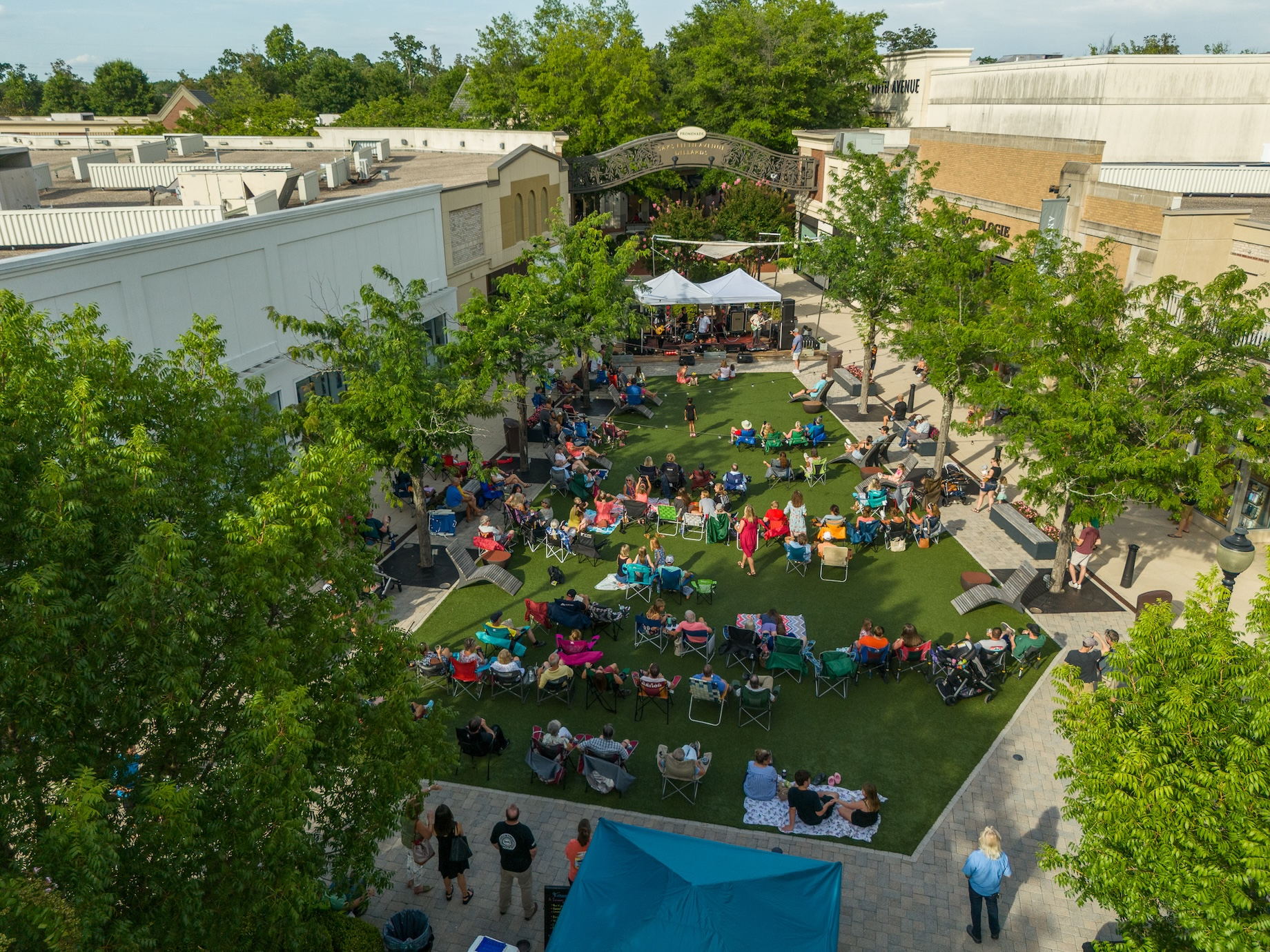
Second Horizon Capital has acquired seven properties since its 2021 founding, including Stony Point Fashion Park in Richmond, Virginia. Photo courtesy of Second Horizon Capital
We strengthen our centers to serve as community hubs and local economic engines. We do that by improving infrastructure, by enhancing leasing and operations and by building partnerships with stakeholders, including retailers, municipalities, community groups and local businesses to support each center’s long-term durability. We have a combination of institutional investors and individual investors who are aligned with our long-term value-creation strategy.
As an impact investment firm, what kind of returns does Second Horizon Capital generate?
We are market-rate investors. We believe that by focusing on these underperforming assets through an impact lens, we are able to achieve better risk-adjusted returns because we are building a more durable center that is better positioned for the long term. Our focus is built on supporting traffic and driving intentional community engagement. Our centers are part of people’s lives. They are part of their choice of where to shop, where to dine, where to spend time, where to socialize. Because of that, when we become more impact focused — focused on the sustainability and resilience of our assets and focused on driving community benefit at the same time — we point toward a destination where our impact and our returns are inextricably linked.
What’s your secret to reimagining these projects, especially when others have failed?
Our differentiators are a combination of discipline, selectivity, hands-on sponsorship and sharp focus on local community engagement. There’s no one-size-fits-all playbook to stewarding these centers. We approach each center with a tailored strategy that gets shaped by local needs, stakeholder input and our long-term value-creation philosophy. I’ll give you a couple of examples. We focus on active community engagement, and we’re hosting nearly 800 community events this year across our portfolio. We’re also making targeted and meaningful investments in infrastructure, including, for example, HVAC systems, parking, lighting and signage. We also focus on doing things that are essential to each individual property and on the way that the property is perceived by the market and the way the property engages with its customer.
Can you share a specific example?
We’re executing a comprehensive reactivation at Chicago Ridge Mall. We acquired the property in March of 2024. The center serves more than 7 million annual visits and a trade area of over 700,000 people. Since our acquisition, we’ve strengthened on-site operations, we’ve implemented sustainability and capital improvements and we’ve reactivated the center through proactive and intentional community engagement. We have hosted over 100 events at the center, we have formed over 20 local partnerships and we’ve introduced new amenities at the center, including a new family play area and new seasonal decor. At the same time, we’re working on driving leasing momentum by reengaging each of our retailers, and we’re also repositioning a former Sears anchor box that we acquired as a durable community-focused retail asset.
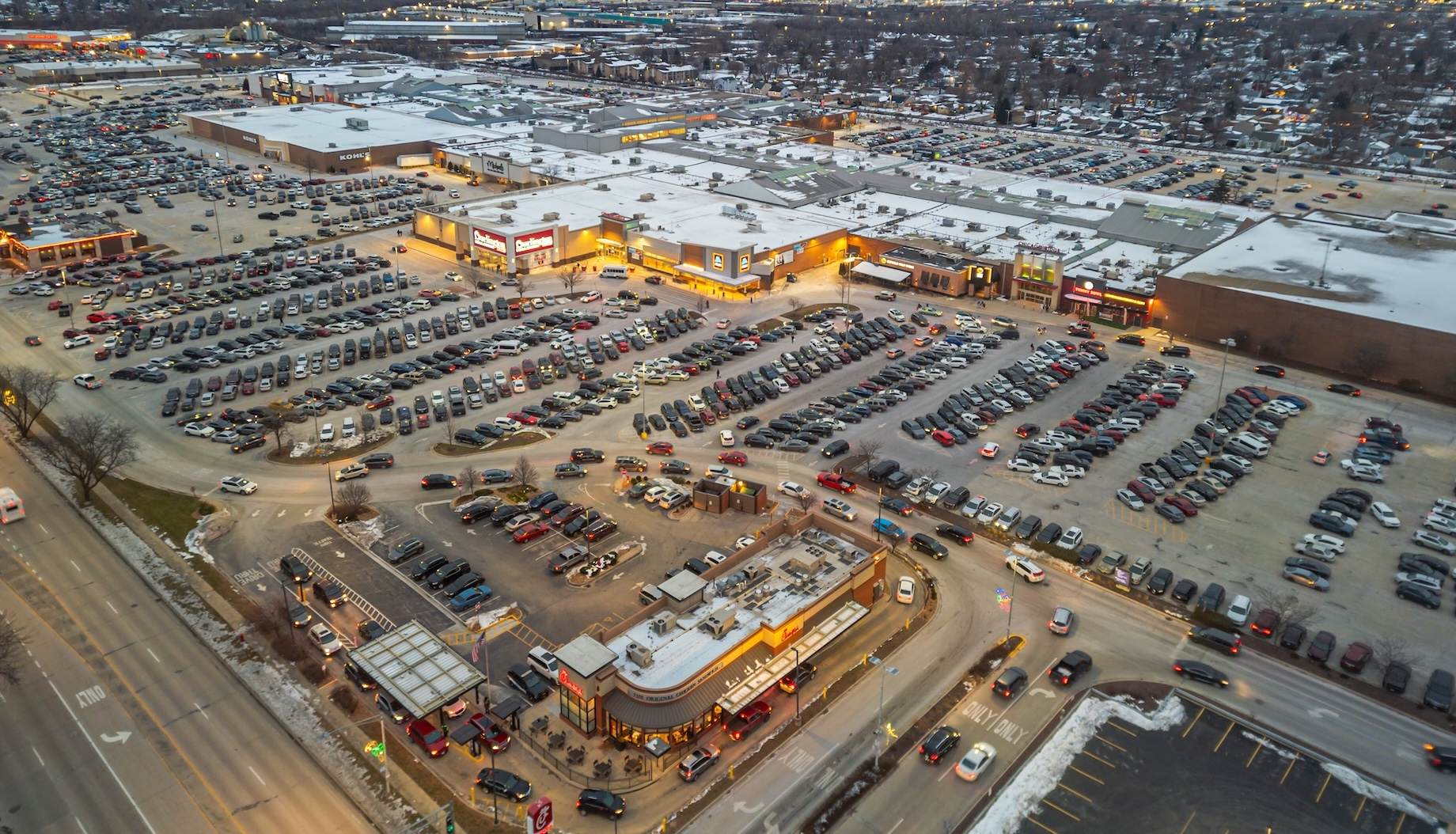
Second Horizon Capital acquired Illinois’ Chicago Ridge Mall in March 2024 and since has hosted more than 100 events there, part of a larger strategy to reengage the community with the property. Photo above and at top courtesy of Second Horizon Capital
What do your community partnerships look like?
These partnerships are central to our model. We work closely with municipalities, with retailers, with local businesses and with community organizations to help each property reflect its local needs and priorities. Across our portfolio, we work with over 200 community partners. The three pillars we have when approaching community engagement are health and wellness, inclusive culture and community education. As an example, at Park Plaza, we partner with the Central Arkansas Library System, which is now running family-focused events throughout the year, such as story times, craft activities and bookmobile visits. At Layton Hills Mall, we have a sizable veterans population; we partner with Operation Hero, [a Utah-based nonprofit that honors fallen service members], to focus on connectivity with our local veteran communities. And at Orange Park Mall, we hosted the annual gala for the Clay County [Florida] Chamber of Commerce. We intentionally emphasize ways that we can help be a node for local community and commercial activity.
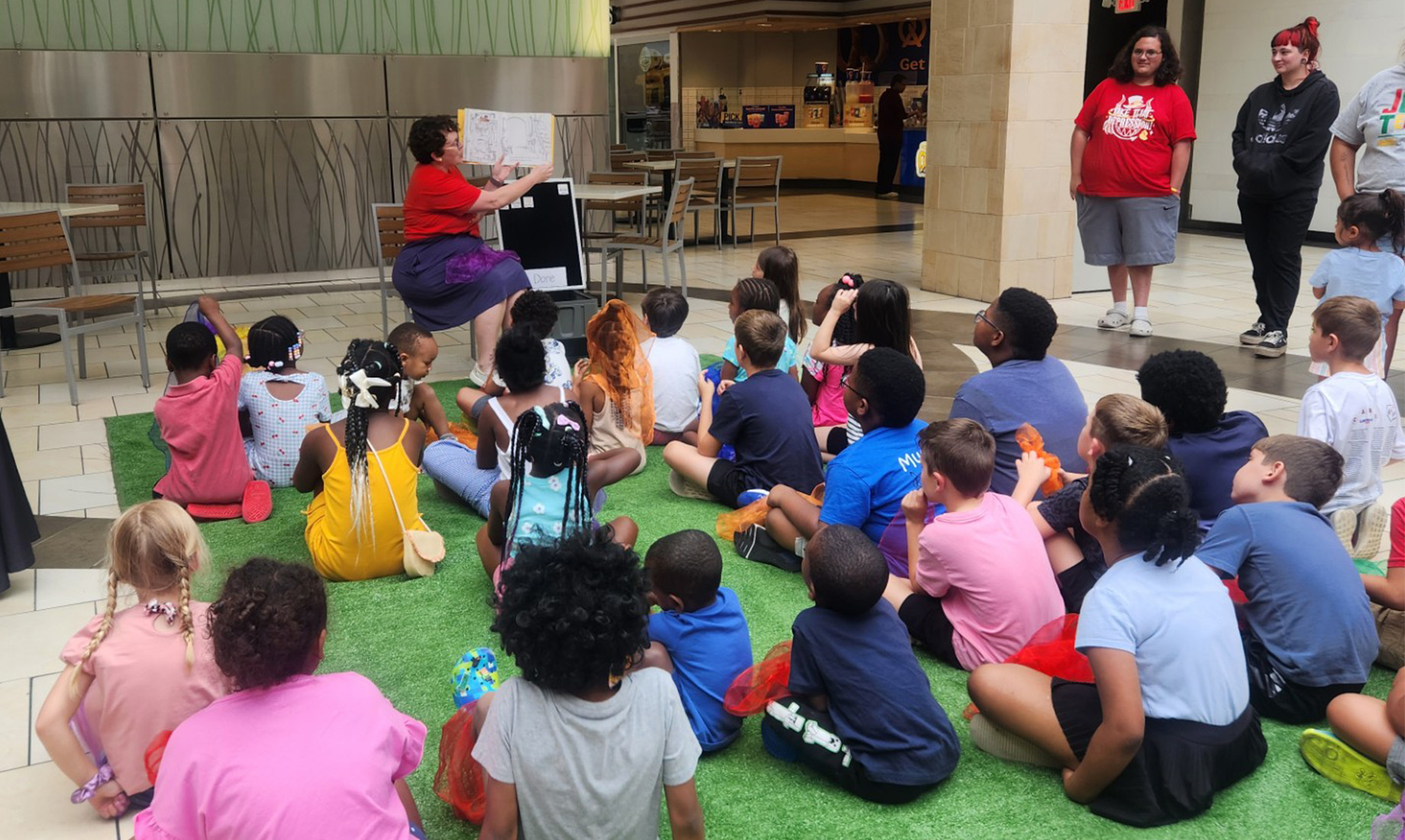
Second Horizon Capital works with more than 200 community partners, including the Central Arkansas Library System, which runs a series of family-focused events at Park Plaza mall in Little Rock, Arkansas. Photo courtesy of Second Horizon Capital
Is there anything else you’d like to add?
We believe that strong financial performance and positive community outcomes have enormous potential in a retail environment. By focusing on that impact-investing approach toward revitalization, we continue to be excited about transforming these large-scale commercial properties into vibrant destinations that are truly local economic engines.
By Beth Mattson-Teig
Contributor, Commerce + Communities Today