Jump to …
Why Stores Matter, According to New ICSC Chair and Former Walmart Exec JP Suarez
Specialty Grocery, Off-Price, Health-and-Wellness and Restaurants Lead 2026 Outlook
First Washington Realty CEO: Retail Is Delivering Strong Returns
How One D.C. Entrepreneur Partners With Landlords
CenterSquare Names 2 Execs as Co-CIOs
ICSC NEW YORK Recap: Top Takeaways From the Event
At ICSC NEW York on Wednesday and Thursday, speakers delivered a shopping cart full of insights into the retail landscape. The 2026 chair of ICSC shared why brick-and-mortar retail still matters, two real estate researchers reviewed the retail categories to watch next year, a real estate executive drummed up a rock-music reference to highlight the Marketplaces Industry’s recent “roll with the punches” era and a retail entrepreneur explained how she leans on landlord partnerships.
Why Stores Matter, According to New ICSC Chair and Former Walmart Exec JP Suarez
Despite the rise of e-commerce — or perhaps because of it — JP Suarez firmly believes brick-and-mortar stores still matter. Suarez, 2026 ICSC chair and a former Walmart executive, said during a Wednesday session with ICSC president and CEO Tom McGee that the discount retailer’s more than 10,800 stores around the world coexist with its e-commerce business. The stores increasingly serve as fulfillment centers for online shoppers while still catering to in-person shoppers.
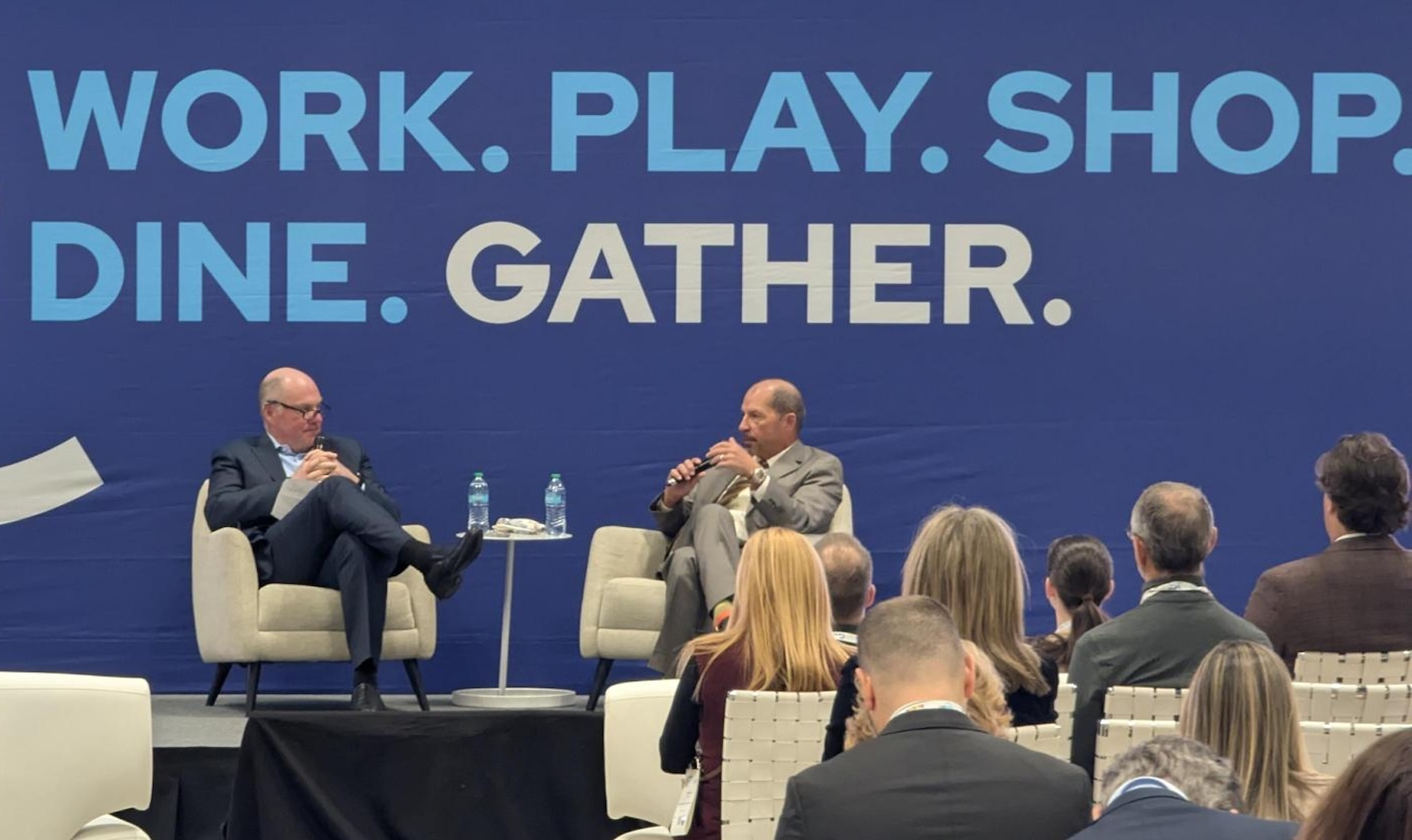
ICSC’s president and CEO and its chair spoke during ICSC NEW YORK on a panel called Shaping the Future of Retail — Vision and Experience With Tom McGee and JP Suarez.
The functionality of Walmart stores “is going to be different going forward,” said Suarez. In the retailer’s 2025 annual report, Walmart said it operated more than 8,000 pickup and delivery locations around the world, meaning many stores now act as omnichannel hubs. Another reason Walmart’s brick-and-mortar presence matters: E-commerce sales represented just 18% of Walmart’s sales in fiscal year 2025, which ended Jan. 31.
Shoppers change retail channels based on their needs, Suarez said, “but the customer is going to be loyal if you give them the choice to shop multiple ways. They don’t want to shop just one way.”
MORE FROM C+CT: How ICSC Chair JP Suarez Learned the Vital Role That Real Estate Plays in Retail Success
Specialty Grocery, Off-Price, Health-and-Wellness and Restaurants Lead 2026 Outlook
At an ICSC NEW YORK session on Thursday, two real estate researchers peered into their crystal balls to forecast which retail categories will thrive in 2026.
Avison Young principal and director of retail market intelligence Meghann Martindale, who also is vice chair of ICSC’s North American Research Group, singled out specialty grocery like Aldi, Sprouts Farmers Market and Trader Joe’s; off-price like Burlington, Ross Dress for Less and T.J.Maxx; and health-and-wellness like med spas and laser hair-removal specialists as retail categories to watch next year. Data from CoStar and Placer.ai that Colliers mentioned in its Global Retail: 2025 Trends & 2026 Outlook Report reflects some of Martindale’s expectations. The data showed year-over-year growth in visits to Aldi, Burlington and T.J.Maxx stores.
Newmark head of U.S. retail research Brandon Isner cited restaurants as a category to monitor in 2026 and quipped: “Obviously we’re in a challenging economic time for some, but people are still visiting restaurants, so I theorize that people gather their friends and go out to restaurants to complain about how little money they have to spend.” The 2026 Dining Trends Report from reservation platform OpenTable backs up Isner’s forecast. Restaurant visits were up 8% year over year for the first eight months of 2025, according to OpenTable data. As for 2026, an OpenTable survey found 55% of Americans think they’ll spend more on dining out.
First Washington Realty CEO: Retail Is Delivering Strong Returns
“You’ve got to roll with the punches to get to what’s real,” according not only to Van Halen but also to ICSC trustee and First Washington Realty CEO Alex Nyhan. During an ICSC NEW YORK session on Wednesday, Nyhan cited Van Halen’s 1983 song “Jump” to explain that investors and consumers have rolled with the punches over the past five years amid the pandemic, higher inflation rates, interest rate fluctuations and tariffs.
During that period, multifamily and industrial may have been “belles of the ball” in commercial real estate, he said, but consumers have kept spending and retailers have kept paying rent. “What that has all added up to for investors is an attractive risk-adjusted return,” said Nyhan, “and if you talk to institutional investors who have all the food groups in their portfolio, they generally are going to be saying that the return performance of retail in the last few years has probably been at the top, along with data centers.”
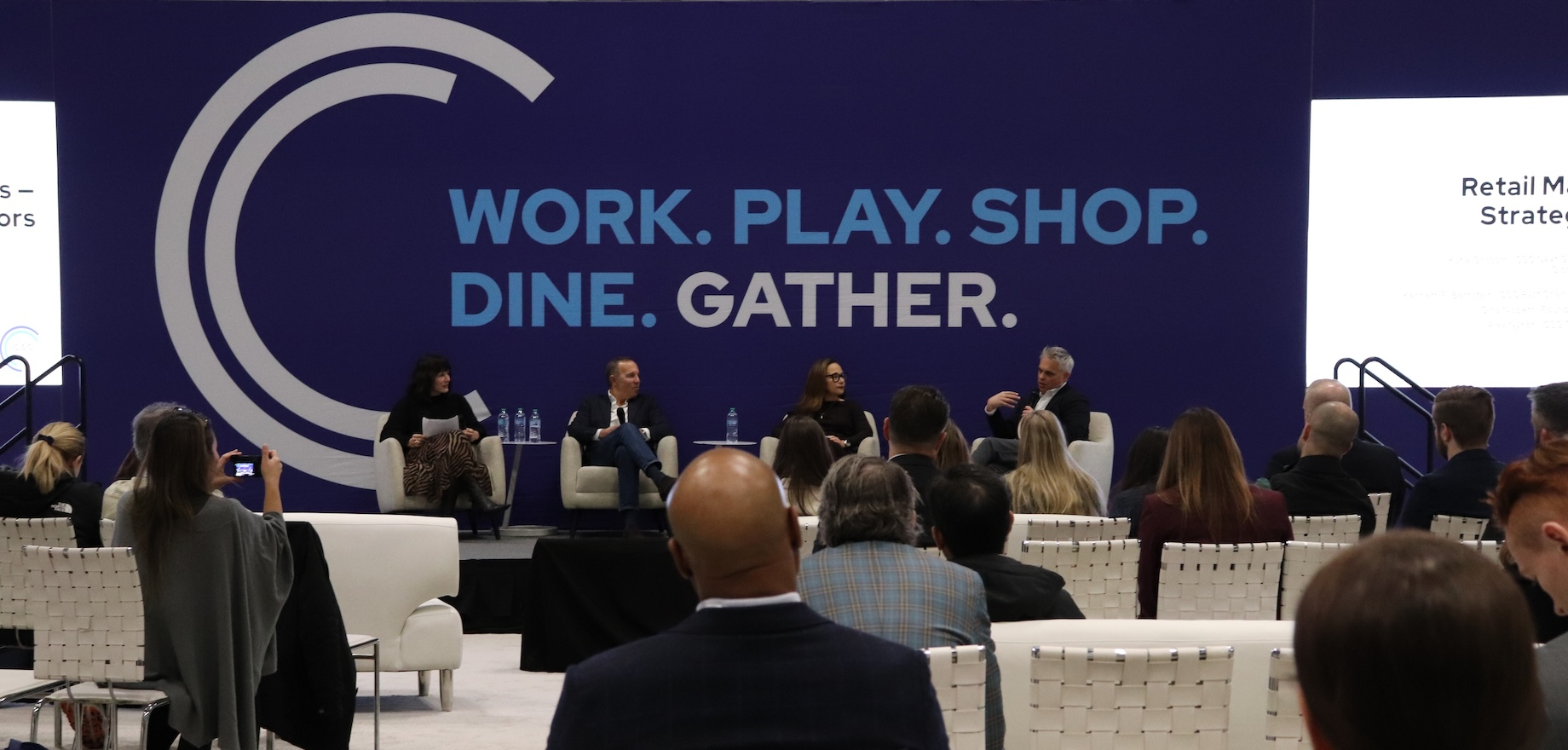
Nuveen Real Estate’s Katie Grissom, at left; Acadia Realty Trust’s Kenneth Bernstein; 9th & Clinton’s Gina Nisbeth; and First Washington Realty’s Alex Nyhan, at right, spoke on an ICSC NEW YORK panel called Retail Market Dynamics — Strategies for Investors.
Even accounting for retail’s attractive risk-adjusted returns, First Washington Realty has been selling properties selectively in the past six quarters “because we think it’s actually a pretty sweet time to be selling some of these assets where we felt they’ve [already] been to the mountaintop,” Nyhan said. “And the pricing we’re getting is evidence that there’s people with money in their pocket that want these assets.” As of this spring, First Washington Realty’s portfolio comprised 142 necessity-based, open-air centers.
How One D.C. Entrepreneur Partners With Landlords
Retail entrepreneur Stacey Price believes in treating landlords as partners, not just as rent check collectors. Price is co-founder and CEO of Shop Made Brands, which operates nine locations in Washington, D.C., and suburban Maryland and Virginia that sell curated items produced by more than 1,000 local entrepreneurs. The stores, which tap into the maker movement, also offer programs, classes and events, along with food and beverages at some locations.
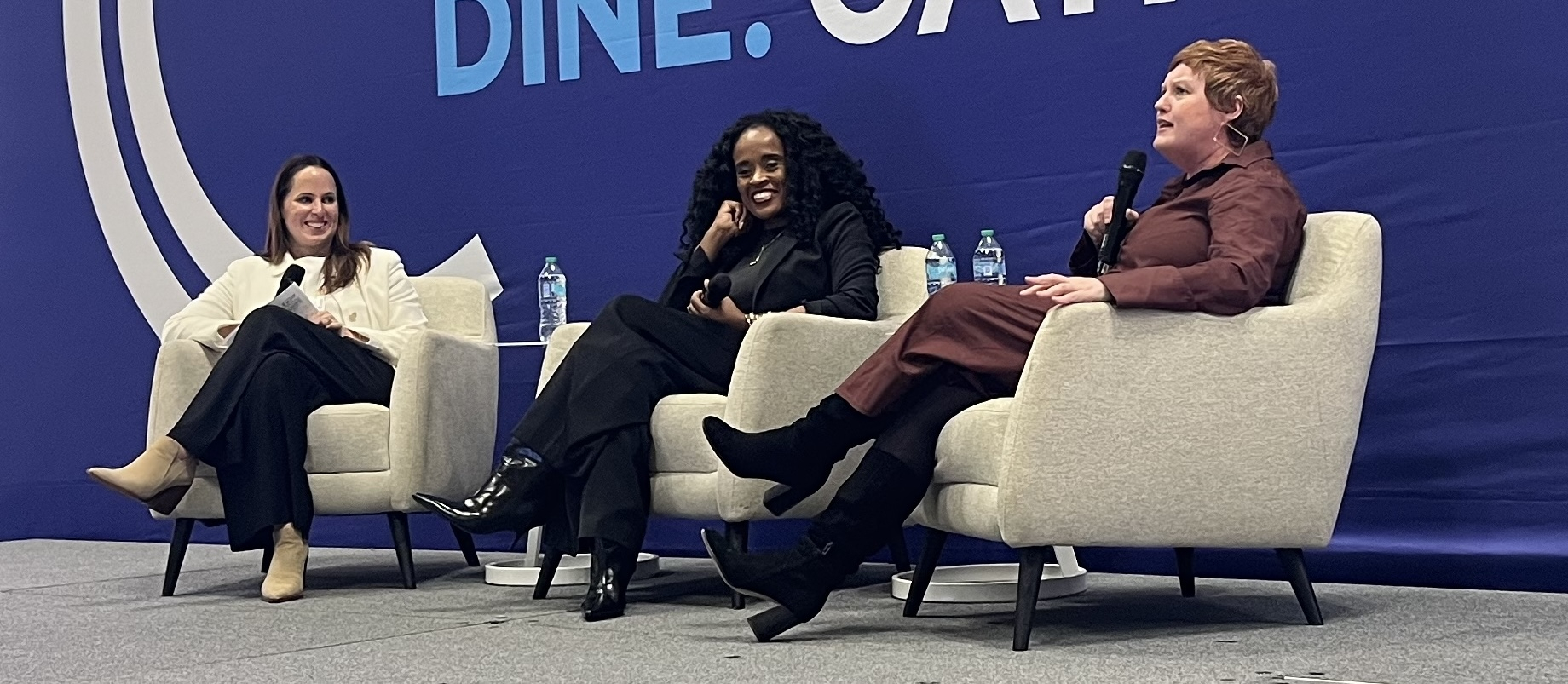
First Washington Realty’s Emily Gagliardi, at left; Pooka Pure & Simple’s Dawn Fitch, at center; and Shop Made Brands’ Stacey Price, at right, spoke on an ICSC NEW YORK panel called Breaking Ground Series — Retail Concepts Transforming Shopping Spaces and Places.
During an ICSC NEW YORK session on Wednesday, Price said she won’t sign a lease for a new store “unless there’s some sort of participation by the landlord.” For instance, a landlord might reduce rent when Shop Made Brands is test-driving a submarket or might share finish-out costs. “We’ve always been seen as an amenity to a project,” Price said, “so we’re always looking for spaces that are not retail — only that are retail and residential — because those are the landlords that are going to favor us [since] their economics can support possibly two years of lower rent.”
For now, Store Made Brands isn’t necessarily eyeing a brick-and-mortar expansion. “We know we have something,” Price said of the concept. “I do not want to open more stores that look like the stores that we have now, but I’m glad to help someone else do so with a shop-in-a-box-type service.”
CenterSquare Names 2 Execs as Co-CIOs
On the eve of ICSC NEW YORK, CenterSquare Investment Management announced it had promoted two of its executives to co-chief investment officer. Global head of real estate securities Dean Frankel and managing director of private equity real estate Robert Holuba now share duties leading CenterSquare’s investment team. Previously, CEO Todd Briddell also served as CIO. Frankel will continue to lead the listed securities business and Holuba will oversee the private real estate business. As of October, CenterSquare had $14 billion in assets under management, including dozens of essential-services retail properties.
By John Egan
Contributor, Commerce + Communities Today