The Short Version
- Retail properties are tapping emerging technologies — from drone infrastructure to EV charging to driverless cars — to generate ancillary income from underutilized spaces.
- Ancillary revenue can boost property value significantly, with even modest monthly income increases translating into millions in added asset value.
- Traditional partnerships like property-level EV charging deals can expand into broader brand activations, sponsorships and portfolio-wide deals.
- Pop-ups, temporary leasing and digital infrastructure create flexible opportunities for retailers and tech companies to engage customers while generating additional revenue for landlords.
How Retail Properties Are Turning Emerging Tech Into Ancillary Revenue
Property owners and managers are leaning into innovation to generate revenue from nontraditional sources both inside and outside the walls of retail properties. “It’s very clear that there’s a tech wave,” said Federal head of business development Katie Kurtz. To avoid being left behind, she added, the retail real estate industry needs to get in front and figure out ways to bring new experiences to centers and to customers.
At Federal’s Santana Row in San Jose, California, for example, Autolane has signed a lease for a passenger-pickup area for self-driving cars. The tech company has developed a control system that guides autonomous vehicles to designated locations for curbside pickups, deliveries and parking.
ICSC+PROPTECH: Las Vegas, May 18-20
Discover innovative property technology, join curated one-to-one meetings, and get direct access to creators powering smarter spaces at ICSC+PROPTECH.
Learn more and registerA new era of digital infrastructure — such as 5G wireless networks, wireless localized area networks, drones and electric vehicle chargers — creates opportunity for landlords to generate alternative, consistent revenue. “When you’re doing a 10-year lease on a rooftop or back hallway, you’re truly monetizing underutilized areas and unlocking years of future value for an asset,” said Centennial executive vice president of business development and revenue Bil Ingraham.
MORE FROM C+CT: Dramatic Shift: Centennial’s Bil Ingraham Applies His Creative Background To Rethink Specialty Leasing
Technology that seemed futuristic even a few years ago is now on the doorstep. Centennial is fielding inquiries about pad sites that would host autonomous drone flights, according to Ingraham. People soon may be able to board an “air taxi” from the mall to the airport or a downtown office building.
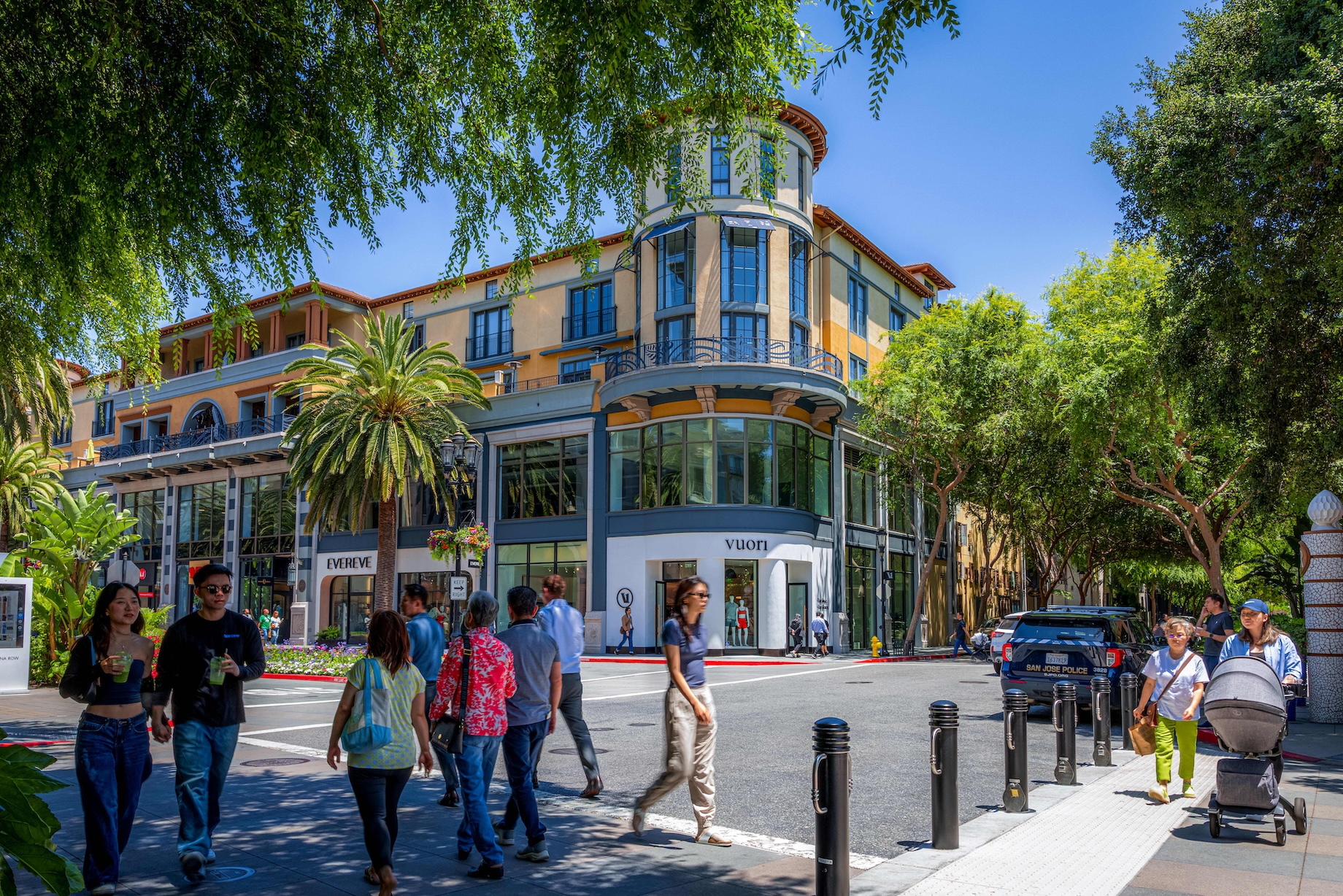
By June, Autolane will create a designated passenger pickup and dropoff spot for autonomous vehicles at Federal’s Santana Row in San Jose, California. Photo courtesy of Federal Realty Investment Trust
Drone Delivery Opens Revenue Opportunities
Retail properties are fielding a surge in requests to rent space for drone “nests,” a term for parking and charging stations. Drones perform a variety of functions, from package delivery to rooftop inspections to aerial photography. A forecast from the Federal Aviation Administration estimates that drones used for commercial business purposes will reach 955,000 by 2027.
For example, Federal is negotiating with a drone delivery company interested in the REIT’s Arizona properties. “The income for us comes from renting the nest space,” noted Kurtz. The delivery service also is an added benefit for the property’s tenants, she added, explaining that the drone company could partner with a property’s tenants to deliver food or merchandise.
Brookfield Properties, which has rebranded its retail division as GGP, was one of the first shopping center operators in the U.S. to do a deal with drone delivery company Wing. Launched in late 2024 as a pilot, select merchants at Stonebriar Centre in Frisco, Texas, and Hulen Mall in Fort Worth, Texas, can use Wing to deliver to DoorDash users whose addresses fall within a defined service area. And Wing and Walmart announced in January that Wing plans to add 150 Walmart stores over the year, bringing its total Walmart drone delivery network in the U.S. to 270 locations by 2027.

Wing launched a pilot in late 2024 to deliver from Frisco, Texas’ Stonebriar Centre and Fort Worth, Texas’ Hulen Mall to DoorDash users. Photo above and at top courtesy of Wing
Ancillary Income Becomes a Bigger NOI Driver
As operating costs weigh on their minds, property owners and managers are leaning into creative strategies to generate revenue. “There’s a real opportunity to look at ancillary income not just as a small piece of the large pie but instead [to] say: ‘Wow, we’ve really got some true growth opportunity here, and we can really grow company revenue by focusing on this ancillary bucket,” said Kurtz.
Depending on the size and type of center and initiative being implemented, ancillary income can contribute anywhere from low-single digits to nearly 30% of net operating income. “A lot more of our clients are looking to us to drive this area of revenue because it means cash flow for them in addition to driving value to the property,” said JLL director of specialty leasing Catherine Loy. Even a modest increase in income can have a big impact on a property’s bottom line. For example, generating an additional $10,000 per month can boost total NOI by $120,000 per year. When applying a 6% cap rate to that additional income, the result is a $2 million increase in property value.
These days, ancillary income has become a catchall term for various short-term and long-term income streams, such as rooftop cell towers, temporary leasing, pop-ups, sponsorships, digital advertising and special events. “Every square inch is so valuable,” said Colliers national director of retail services and practice groups Anjee Solanki. However, every landlord has a different strategy, she added.
Landlords also have to balance those income generators with their properties’ overall experience and consider the net result. “Even though there may be a great opportunity to create some sort of incidental revenue, there’s always that capital cost, or ongoing cost, and you have to balance the two out,” Solanki noted.
Landlords Turn Brand Partnerships Into Revenue
Business development teams also are building on tried-and-true ancillary income sources. After a surge in deals to locate branded EV charging stations in parking areas, property teams are exploring expanded partnerships with brand activations, ride and drive events and sponsorships. “We’re looking to take those relationships beyond just installing EV chargers in our parking lot and calling it a day and [instead] creating a more cohesive partnership between the landlord and the EV providers,” said Kurtz. That also could mean leveling up from property partnerships to portfolio relationships.
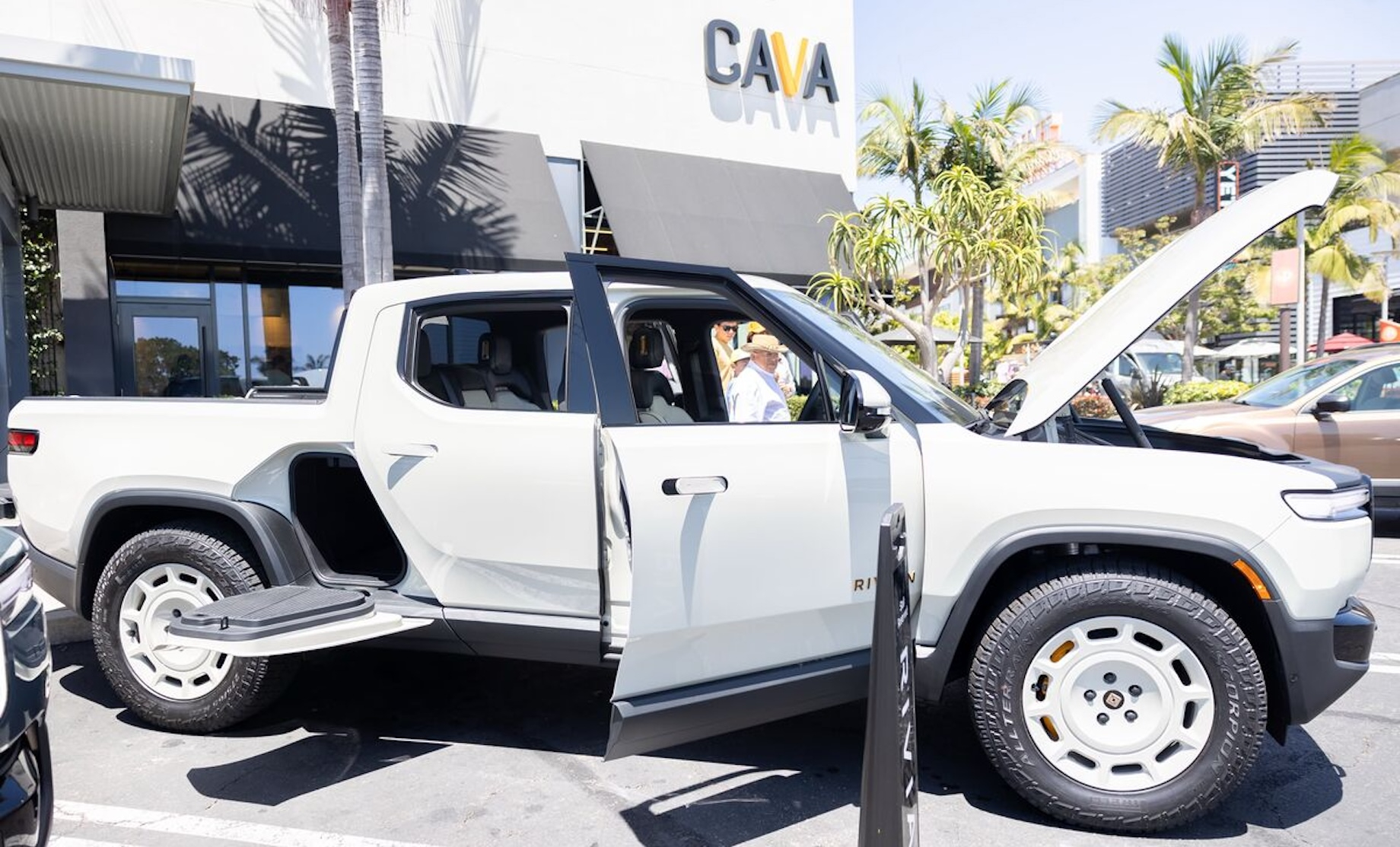
Federal is expanding relationships with electric vehicle makers like Rivian from the traditional parking lot chargers to opportunities like brand activations, events and sponsorships across the REIT’s portfolio. Photo courtesy of Federal Realty Investment Trust
“Brands are no longer just looking for a place to be,” Loy said. “Brands are looking for a place where they can truly engage with their customers and provide a different type of experience.” That means they’re digging into data and analytics to find the right locations and partnerships that fit their target audience. “When we promote a real estate space, we truly have to understand what that brand target audience is, and we marry those audiences together,” she said.
Pop-Ups Evolve To Showcase New Tech Products and Experiences
Strategies surrounding temporary leasing, carts, kiosks, advertising and sponsorships are still important staples for ancillary income. Consider pop-ups, which have been around for years, but now are attracting a new generation of tech-focused products and services. Even Meta is dipping a toe in the arena with Meta Lab pop-up stores to showcase and sell Ray-Ban Meta AI glasses and Quest headsets.
“What’s most exciting about business development is that there’s always something new,” said Kurtz. That innovation creates an ever-changing opportunity, she added, to bring new experiences, new tenants and new sources of income to retail properties.
By Beth Mattson-Teig
Contributor, Commerce + Communities Today