The Short Version
- Higher borrowing costs and market uncertainty have slowed triple-net lease investment sales, with year-to-date transaction volume down 24% year over year, according to Sands Investment Group.
- Investor demand remains strongest for high-quality properties with creditworthy tenants, long-term leases and desirable locations. Car washes and gas stations also are attracting buyers thanks in part to favorable tax treatment.
- A growing supply of properties for sale is giving buyers more options, but sellers face pricing pressure as cap rates rise. Further cap rate increases could put downward pressure on property prices in 2027.
Higher Interest Rates and Market Uncertainty Weigh on Triple-Net Lease Sales
Higher interest rates and uncertainty rippling from higher oil prices are creating headwinds for the triple-net lease investment market, yet transaction activity is a mixed bag, with some segments of the market holding up better than others.
Transaction momentum has slowed as the year has progressed. Year to date, transaction volume has declined 24% year over year, nearing 2023 levels, according to Sands Investment Group. “We’ve got the conflict overseas, the interest rate environment is challenging and volume overall is a little bit lower because these issues make buyers sit in a wait-and-see holding pattern,” said Dave Wirgler, vice president of national developer services for Sands. “But we do know that deals are trading, and when they do trade, the cap rates and the pricing haven’t shifted significantly upwards,” he said.
The biggest hurdle for both buyers and sellers is higher borrowing costs. The 10-year Treasury has climbed about 100 basis points from the start of the year to hover at around 5% as of early November. The higher costs can be especially painful for the triple-net lease investment market, with financing costs now at or above the listed cap rates for many of the best properties, including top-credit names like McDonald’s, Raising Cane’s and Shake Shack.
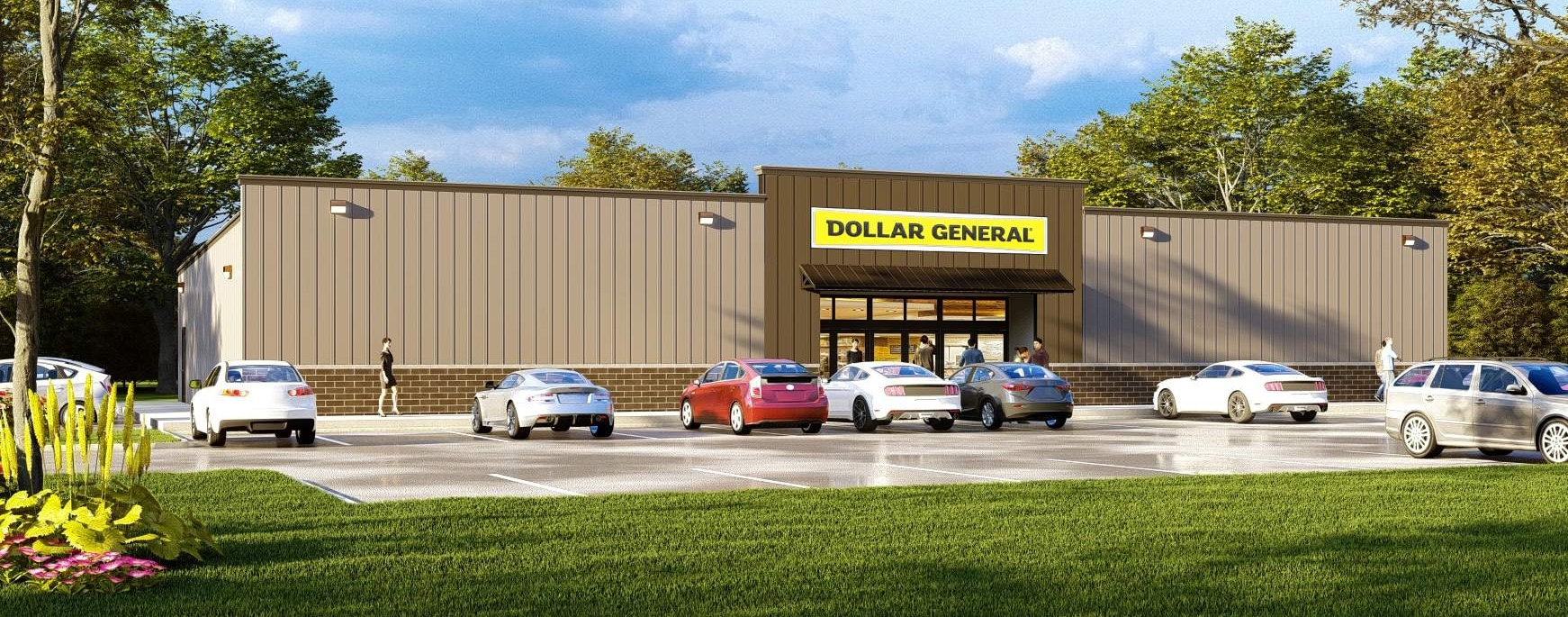
The Boulder Group recently brokered the $8.3 million sale of four single-tenant net lease Dollar Generals in Michigan from a Midwest-based developer to a Northeast-based investment fund. Image above courtesy of The Boulder Group
Triple-Net Lease Sales Vary by Deal Size and Buyer Type
Investors range from private, all-cash buyers and family offices to institutions and REITs, contributing to a “lumpy” triple-net lease investment sales market. Investor interest varies widely depending on the category, pricing and tax advantages at stake.
Deals priced below $5 million remain active because that segment tends to be dominated by 1031 exchange investors and all-cash or low-leverage buyers that are less sensitive to interest rates. “It gets much quieter in the $6 to $10 million range because of the financing,” said The Boulder Group president Randy Blankstein. “It just doesn’t make a lot of sense to put any more financing than necessary on a property because it’s hurting cash-on-cash returns,” he said.
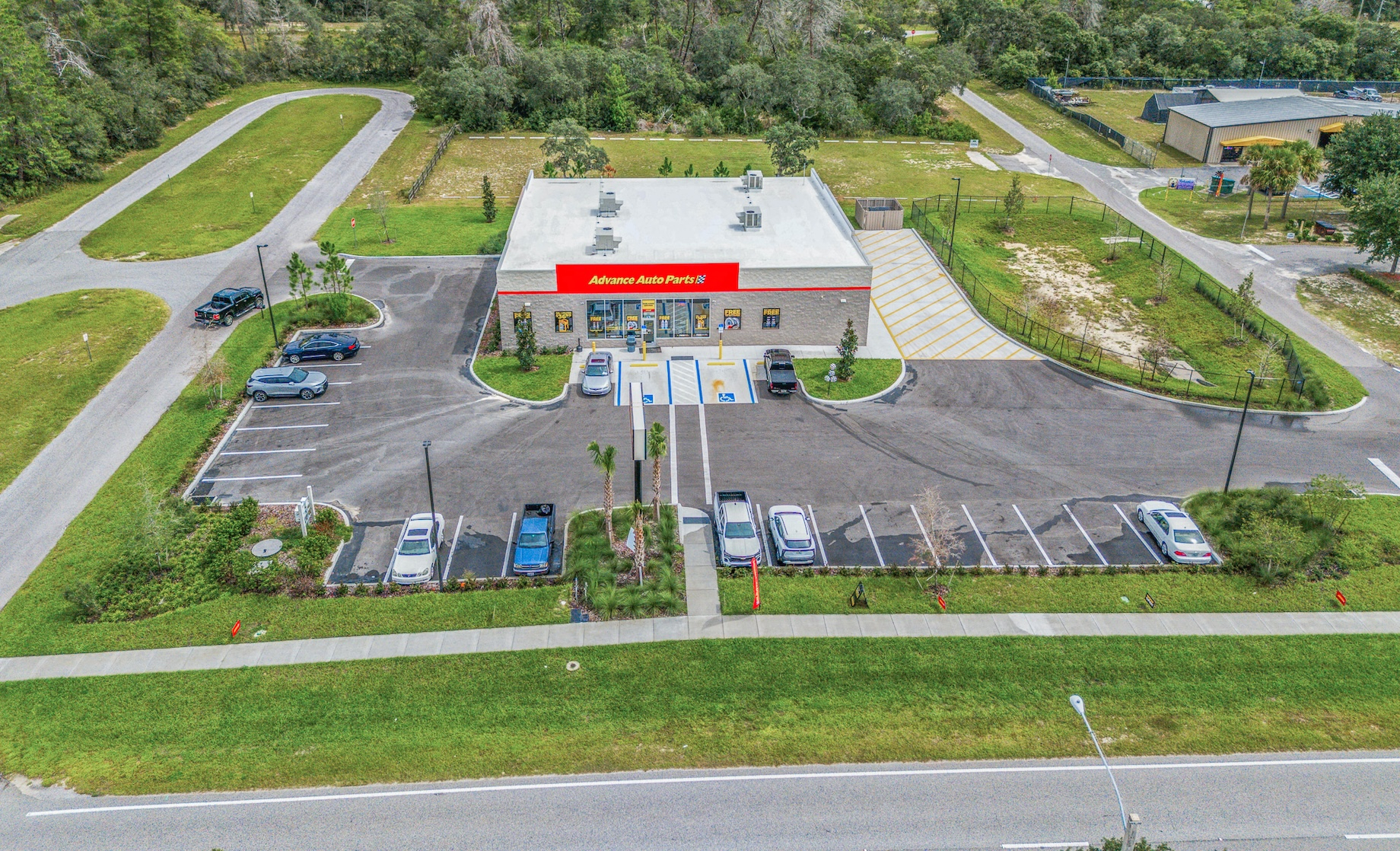
Sands Investment Group recently brokered the sale of a triple-net lease Advance Auto Parts in Ocala, Florida. Built in 2025, the property closed at 96% of its listing price. Photo above and at top courtesy of Sands Investment Group
Tax Benefits, Location and Lease Terms Drive Investor Demand
One bright spot has been a robust market for car washes and gas stations, due to the benefits from the 100% bonus depreciation tax deduction. The bonus depreciation tax benefits that had been phasing out were made permanent as part of the One Big Beautiful Bill Act.
Car washes and gas stations are eligible for larger Year 1 depreciation deductions than restaurants or properties leased to retailers like dollar stores or drugstores because a larger share of the property value sits in equipment, such as underground fuel tanks and wash systems.
Cash buyers are still paying compressed cap rates for A-credit tenants with great locations and long-term leases. Buyers like the ability to acquire quality real estate with steady income streams and no management responsibility. “For the best assets, we’re seeing great strength and resilience in pricing,” said B+E CEO Camille Renshaw. And some of the cap rates that buyers are paying for car washes are “shockingly low” due to the added benefit buyers receive from 100% bonus depreciation, she added.
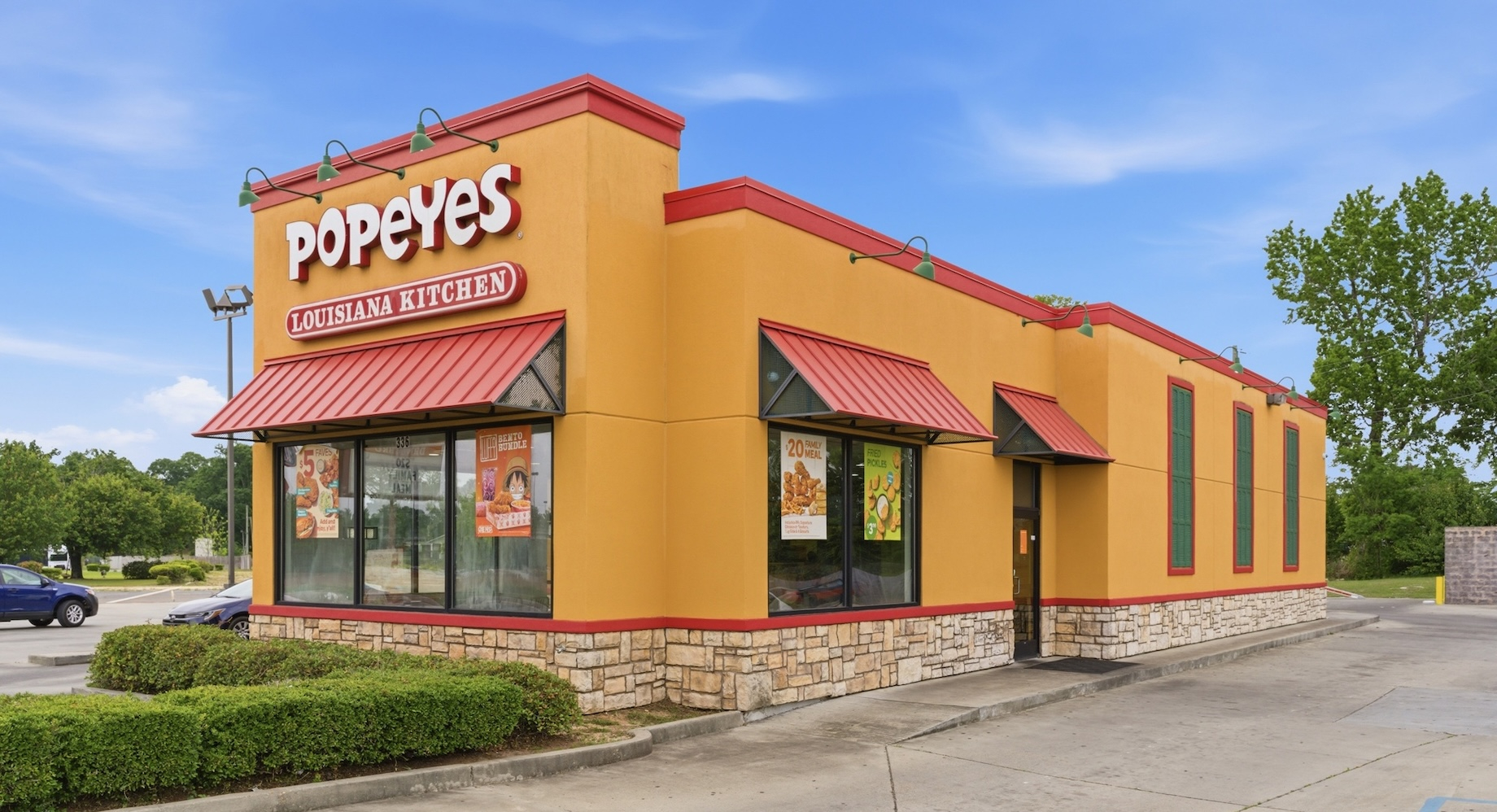
B+E recently brokered the sale of a Laurel, Mississippi, Popeyes that was listed at $1.88 million and a cap rate of 6.15%. A large franchisee with 19.6 years left on the lease operates the property. Photo courtesy of B+E
Many investors are focusing more on geography than brand at the moment, added Blankstein. Buyers like properties in the Southeast, particularly no-income-tax states like Tennessee, Texas and Florida. Clicks on Boulder’s Southeast listings are about double those for Midwest listings. “A lot of people are chasing not only lower taxes; they’re chasing demographic growth and population growth,” he said.
Net Lease Cap Rates Rise as Buyers Favor Quality Properties
The supply of triple-net lease U.S. retail properties for sale remains hefty, with 4,289 individual listings industrywide, according to Boulder research. However, there’s a shortage of high-quality product. “There’s a decent amount of supply out there. What there isn’t a decent amount of is what 1031 and private investors want,” said Blankstein.
The overhang of uncertainty is creating a flight to quality, and many buyers want investment-grade credit tenants, new construction and long-term leases, he added. Renshaw agreed: “The best net lease is really in very short supply.” Triple-net lease properties that have shorter lease terms and noninvestment-grade tenants are staying on the market a little longer, she said.
Cap rates started to climb across retail, office and industrial in the third quarter. Overall cap rates expanded by 10 basis points to average 6.92%, the highest in more than a decade. Retail cap rates rose 9 basis points to 6.69%, according to Boulder. However, pricing is more resilient for top-tier credit tenants in good locations with long-term leases.
Investors Target Creditworthy Tenants and Long-Term Leases
Value preservation is driving some investors’ flight to quality. Many like the relative safety of high-credit tenants and long-term leases that can deliver steady, passive income for the next 15-plus years. They also like new properties. “New product always sells. It may take longer, and sometimes the pricing does shift, but there is always a buyer pool for it,” said Wirgler.
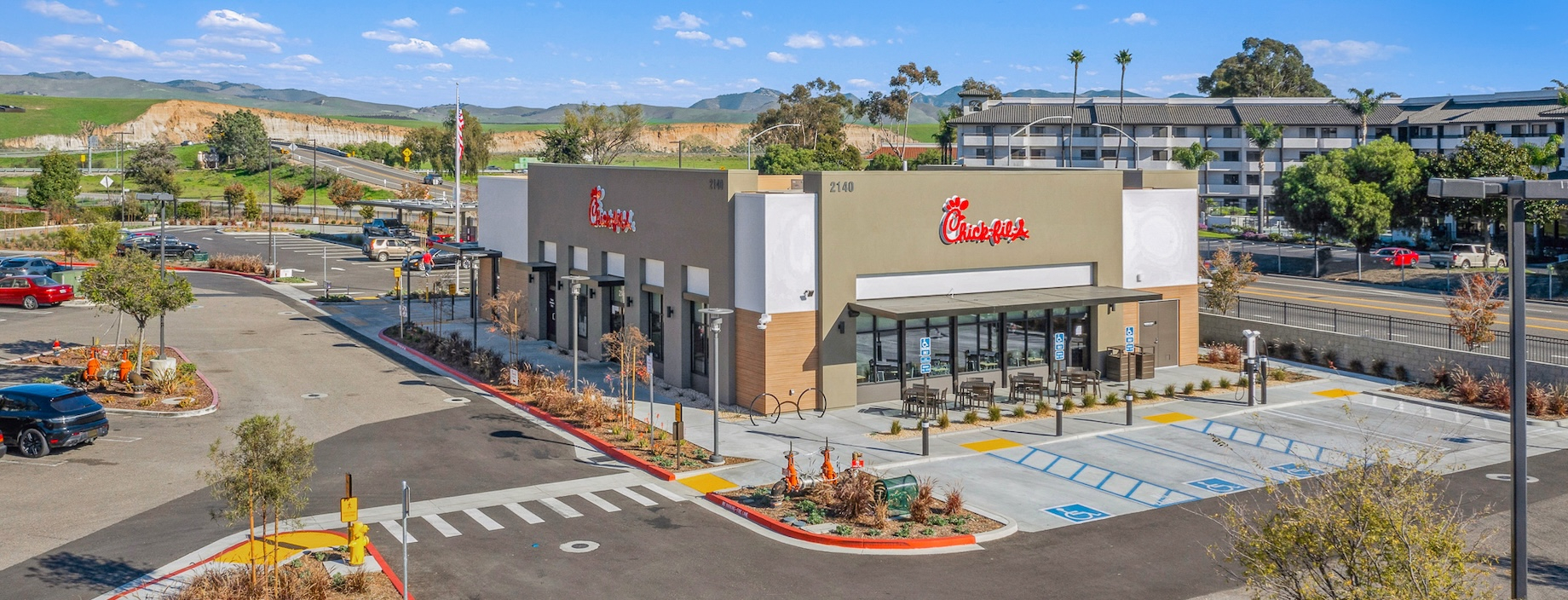
Sands Investment Group recently brokered the sale of a triple-net lease Chick-fil-A in Santa Maria, California. Built in 2025, the property closed at 91% of its listing price. Photo courtesy of Sands Investment Group
However, when the supply increases, buyers have more to choose from and they get a little bit more selective, he said. For example, if a developer builds a brand-new Chipotle in suburban Chicago, it’s going to get a lot of looks from interested buyers. But interest drops if that Chipotle is in a secondary or tertiary market that doesn’t have the same population, traffic counts and economics supporting it, noted Wirgler.
Other investors are focused on value creation. Opportunistic buyers are going after deals that offer higher yields, such as properties with shorter-term leases where re-tenanting or redeveloping a property could add value.
Leverage buyers, including REITs, also are shifting their strategies to focus on acquisitions where yields are accretive to their borrowing costs, which often means buying at cap rates at 6.75% to 7% or higher, noted Blankstein.
Growing Net Lease Inventory Creates Challenges for Sellers
Investors looking to buy triple-net lease properties have plenty of options, but the growing inventory could present a challenge for some sellers.
According to Renshaw, inventory has increased because fewer properties are trading and rolling off the market, while more sellers are listing properties, even if only to “test the waters” on pricing. An owner might put a property on the market and then pull it off a few months later if they don’t see the interest or bids that they want. “I think sellers are worried about the market and what real price they can get for their assets, and they’re worried about where the market is going to trend in the next two years or so,” said Renshaw. Sellers also are thinking about what their options are and what they’re going to do with their sale proceeds. “One of the things that we hear from sellers is: ‘I can’t sell until I know what I would buy in this market.’ They want it to be accretive,” she said.
Year-end tax deadlines could spur more sales during the fourth quarter. However, neat year’s outlook is less certain. Triple-net lease prices are likely to move lower, as cap rates have not fully caught up to higher interest rates. “Volume is going to be good through the end of this year, but Q1 is going to be challenged because I don’t think the bid-ask spread is wide enough as it currently stands to get a lot of people in this market,” said Blankstein. “I still think cap rates need to adjust further to be where buyers are.”
By Beth Mattson-Teig
Contributor, Commerce + Communities Today