The Short Version
- Global travel can spark creativity for retail real estate professionals, exposing them to emerging brands, store concepts, food halls and public-space ideas before they take hold in the U.S.
- European town squares continue to influence U.S. mixed-use development, especially projects featuring plazas.
- Overseas retail visits can help landlords, retailers, developers and advisers rethink merchandising, store design, customer experience and activation strategies.
- International inspiration works best when adapted to local culture, climate and consumer behavior rather than imported directly.
Global Cities, Stores and Public Spaces Offer Lessons for U.S. Retail
Cruising the Danube River from Munich to Budapest. Sipping sparkling wine in Barcelona’s Plaza Catalonia. Wandering Chanel’s Place Vendôme boutique in Paris. It’s all in a day’s work for those who see global travel as a way to spur creativity in their jobs.
“I think about it all the time,” said GGP leasing executive vice president Kirsten Lee. “If you are a person who is fortunate enough to travel, especially internationally, it absolutely can and should impact your work back home.”
Some world travelers draw straight lines from their sojourns abroad to business wins in the U.S. Lee cited The Lanai at GGP’s Ala Moana Center in Honolulu. The 32-year veteran of GGP — from General Growth Properties through Brookfield Property Partners’ acquisition of the company to Brookfield’s revival of the GGP brand — led the team that executed the vision for the 10-restaurant, 450-seat food hall. It was inspired by outstanding places like Hawaii’s lanais and an Oscar Farinetti concept in Turin, Italy, that Lee visited in 2007. “It was the very first Eataly, and I was in love,” she said. “They had all of these different regions of Italy featured. My first thought was: ‘How can we have something like this back in the United States?’”
Lee lived in Prague in the 1990s and traveled Europe from there. She browsed an H&M in Sweden prior to that chain’s U.S. expansion and, on a trip to Paris, discovered Sephora. “That introduced me to a truly new and innovative beauty experience,” she said. Soon after moving to Los Angeles, she was working with the now-famous beauty retailer to roll out some of its first West Coast stores. “That first brand experience stayed with me,” she said, “and there were many others.”
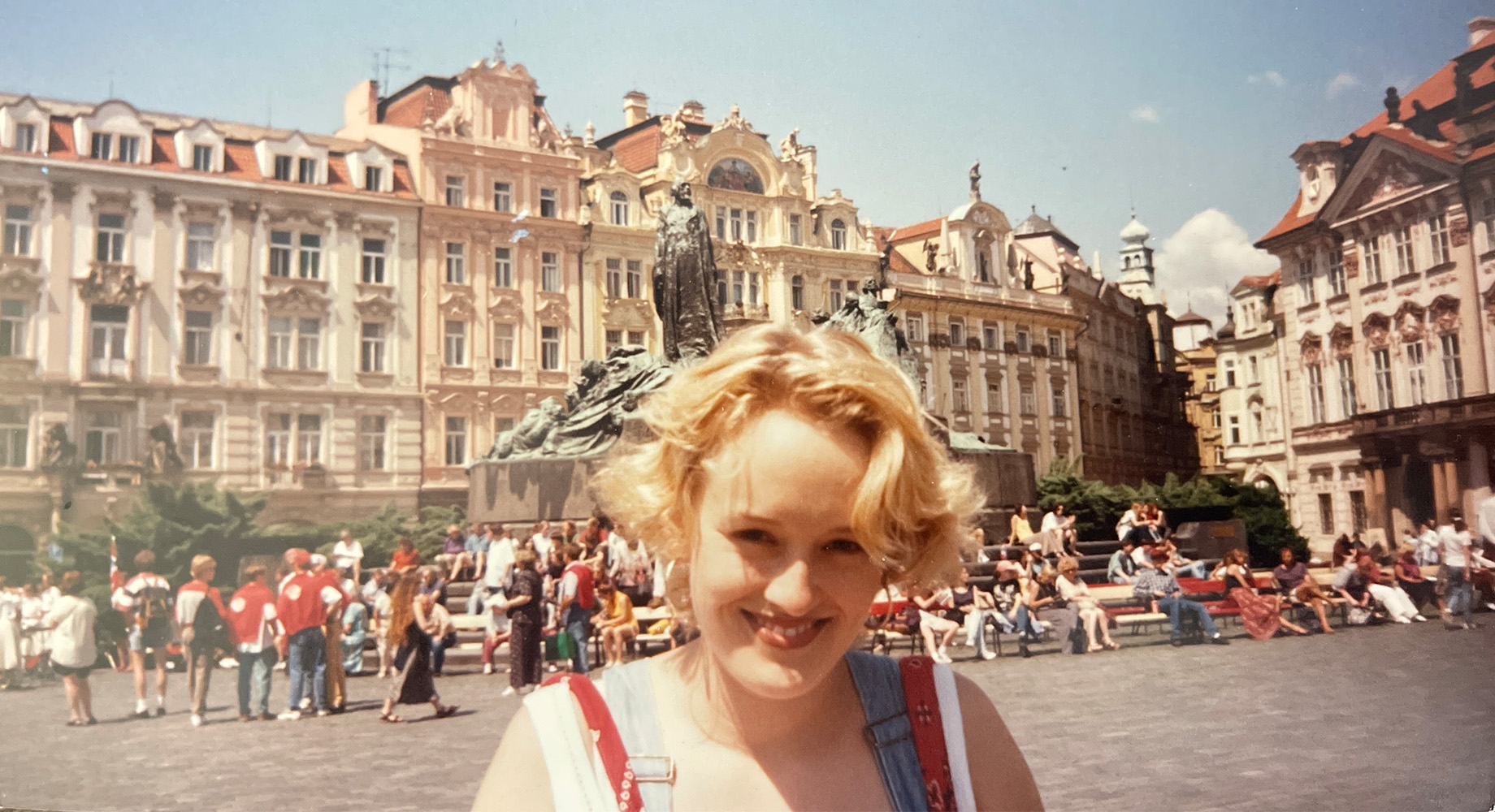
GGP’s Kirsten Lee, pictured here in Prague’s Old Town Square while living in the city in the ’90s, extols the work benefits of global travel. Photo courtesy of Kirsten Lee
European Plazas Offer a Model for U.S. Mixed-Use Development
Toro Development principal and chief vision officer Mark Toro traced the roots of his development philosophy to his honeymoon in Europe in 1984. “My wife’s family is from Spain, and we met her Aunt Frances in Plaza de Santa Ana in Madrid,” he recalled. “It’s similar to many others all over Europe.” On one end, Toro recalled, was the 16th-century theater Teatro Español; on the other was the Hotel Madrid Reina Victoria, once a haunt for Ernest Hemingway and local bullfighters. With its marble statue of 17th-century poet Pedro Calderón de la Barca, the lively square was lined with cervecerías, restaurants, cafes and wine and tapas bars. “Each one of them had their own patio seating set up in the plaza,” Toro said. “You could identify them by the color of their umbrella.” Offices and residences were part of the mix, as well.
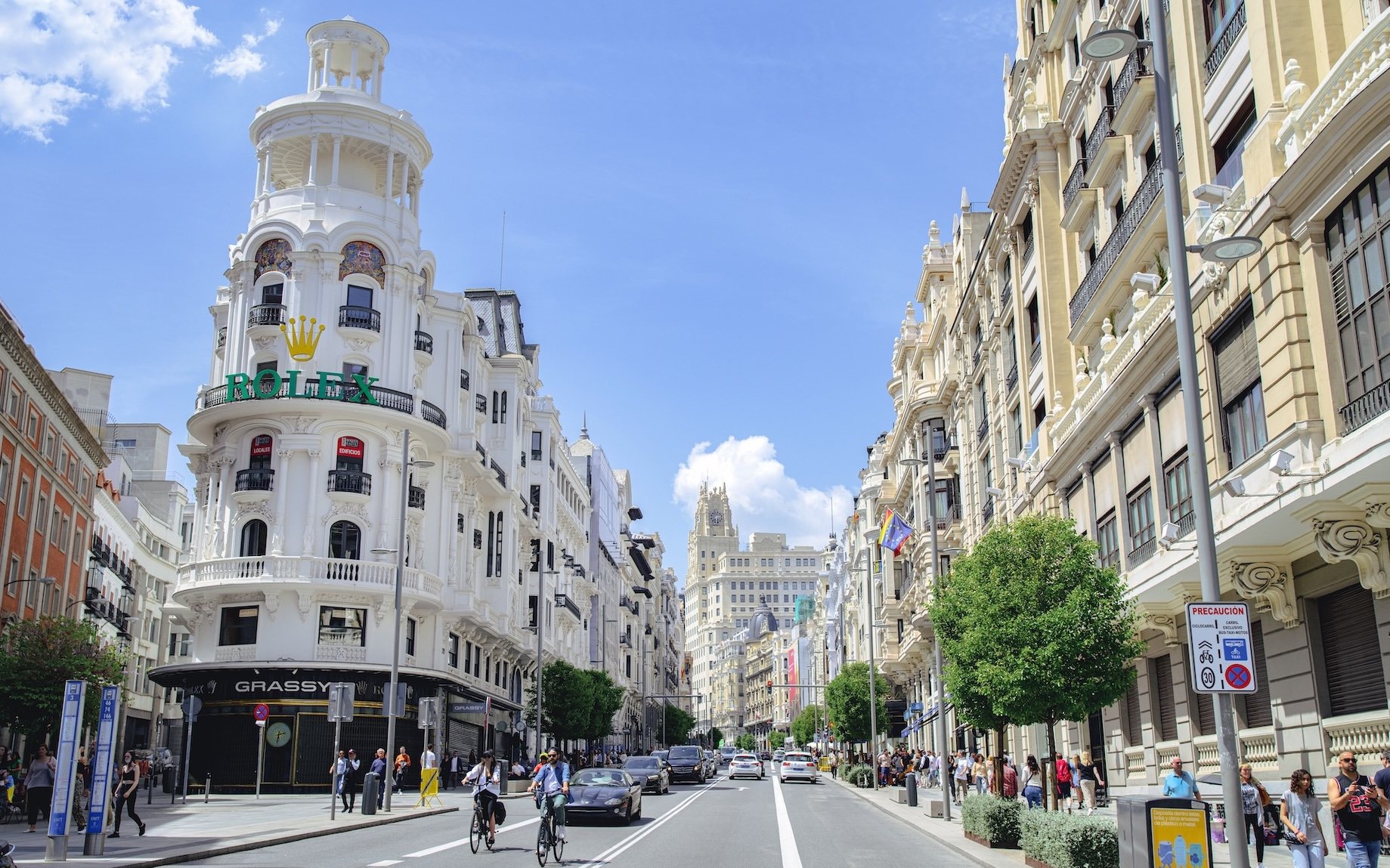
Madrid’s busy Gran Vía Image courtesy of Turespaña/Spanish Ministry of Industry and Tourism
The impulse to recapture that magic has been part of Toro’s career ever since. It crystallized after he co-founded and headed the Atlanta office of North American Properties, now part of Jamestown, where he oversaw the creation of Avalon, the revitalization of Atlantic Station and the redevelopment of Colony Square.
Avalon put into practice a European lesson — certainly followed by great U.S. cities, as well — about proximity. Toro designed the project so residents could go about their daily lives mostly on foot. “I live, work and play at Avalon, where my doctor, my dentist, my office, my gym, my grocery store, 15 of my favorite restaurants and my barbershop are all within walking distance,” he said.
He learned lessons along the way. In the early Avalon lease-up, part of the plaza was dominated by soft goods retailers, a decision Toro sees as a mistake. “You’ll never see that in a European plaza,” he said. “It’s all F&B and entertainment.” He now makes sure plazas are activated by restaurants and experiences rather than apparel.
Colony Square also drew directly on Europe, Toro said. His team demolished the property’s enclosed mall and reoriented the development around an open-air plaza with a hotel anchoring one end, cultural and entertainment space anchoring the other and office and residential uses lining the sides. Ground-floor restaurants spill into patio seating. It’s essentially the same layout Toro first encountered in Madrid’s Plaza de Santa Ana. “Every time we redesign a plaza, whether at Colony Square, Avalon or Medley, it goes back to that,” he said.
Likewise, Atlantic Station reflected the shift in Toro’s thinking away from single-use, car-dependent development and toward the walkable, mixed-use districts he has experienced on his travels.
Toro Development’s current mixed-use projects include Medley, a 43-acre development under construction in Johns Creek outside Atlanta. The project will boast a 25,000-square-foot plaza with dozens of annual events, a boutique hotel, 145,000 square feet of retail and restaurants, 110,000 square feet of office, and 881 luxury townhomes and apartments. Denver-based real estate private equity firm Ascentris provided an undisclosed amount of equity investment financing, with Mexico City-based Banco Inbursa issuing a $158 million construction loan for the project.
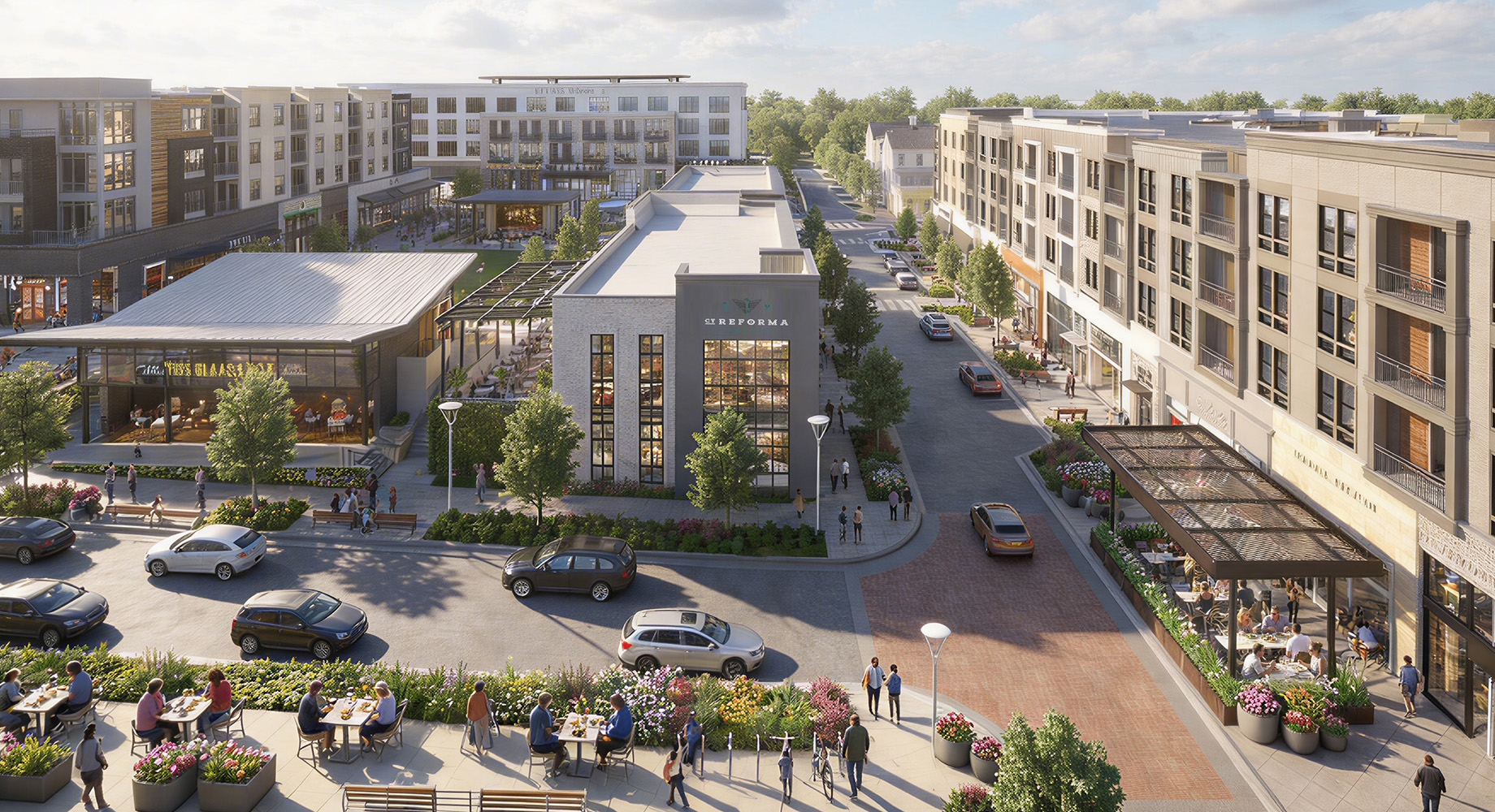
Medley is under construction in Johns Creek, Georgia. The central plaza and restaurant patios echo the European town squares that have inspired developer Mark Toro since his 1984 honeymoon in Madrid. Image courtesy of Toro Development Co.
Toro still travels every chance he gets. On one recent cruise down the Danube River from Munich to Budapest, Hungary, he visited five countries. “One thing that was consistent in each one of the cities we visited was the town square,” he said. “Our entire development thesis is built around that concept.”
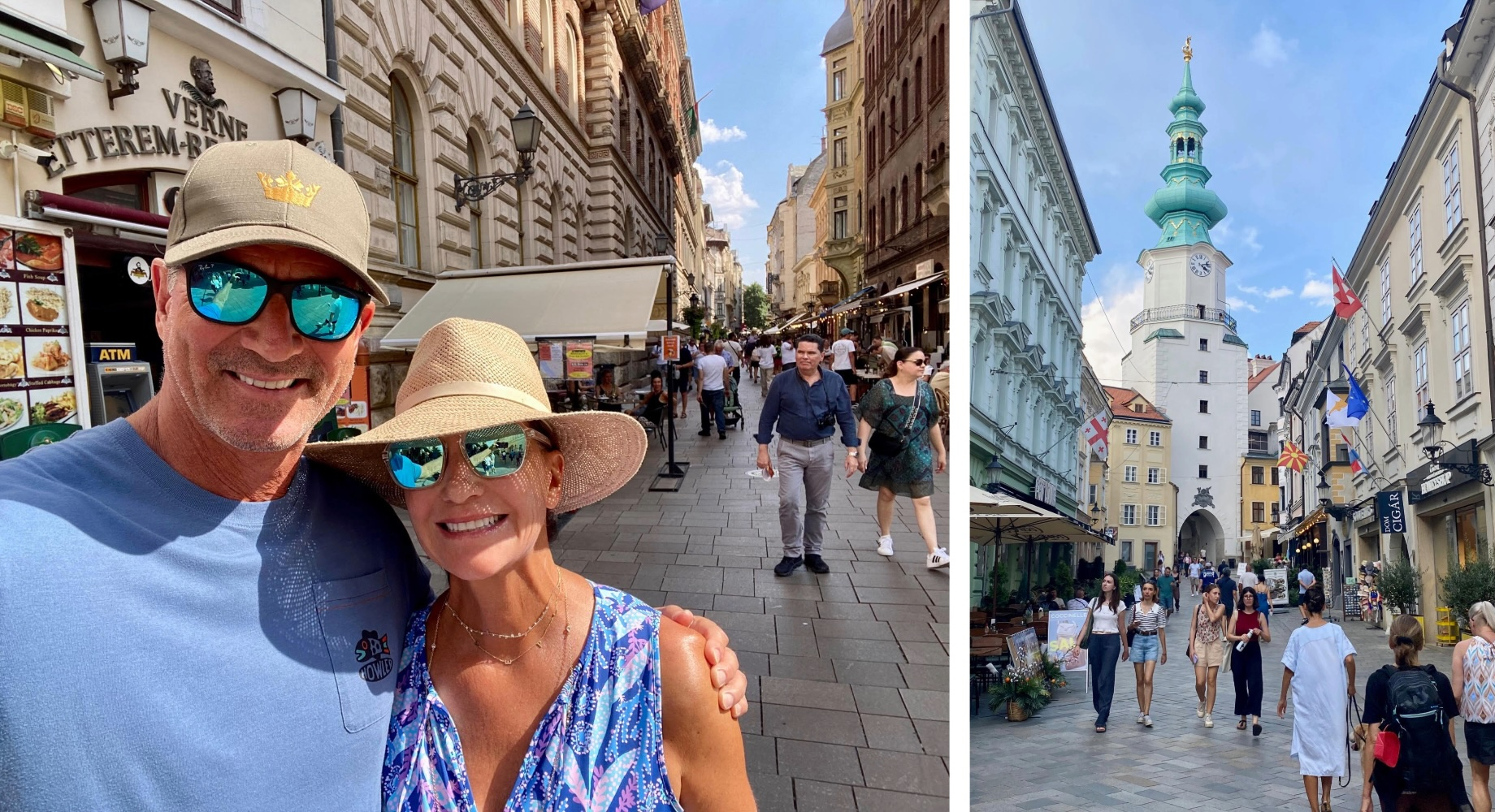
On a recent trip to Central Europe, Toro Development’s Mark Toro and his wife Nancy visited Budapest, at left, and the Old Town of Bratislava, Slovakia, known for its neoclassical and Baroque architecture, including Michael’s Tower, at right. Global travel continues to inspire the exec’s approach to mixed-use development. Photos courtesy of Mark and Nancy Toro
International Retail Visits Reveal New Approaches to U.S. Merchandising and Design
As she immerses herself in culture, history and architecture on global trips, Anjee Solanki, national director of Retail Services and practice groups for Colliers, enjoys seeing how retail and placemaking are evolving in these markets. She travels two or three times a year to Europe, Asia and the Middle East. “I always take time to explore and tend to walk everywhere,” she said.
Last December, Solanki explored Budapest, Istanbul and Tbilisi, Georgia. Posting about her trip on LinkedIn, she described Budapest as “the escape-room capital of the world” with hundreds of themed experiences “spanning mystery, horror, sci‑fi, fantasy and even VR.” In each city, she ducked into stores like Zara, H&M, COS and Levi’s to compare their pricing, merchandising and the customer experience to that of their U.S. counterparts.
A 2019 trip took her to Mexico’s colonial-era San Miguel de Allende, known for its cobblestoned city center and the pink towers of its neo-Gothic church, Parroquia de San Miguel Arcángel. There, Solanki explored Fábrica la Aurora, a former textile factory converted into a marketplace. “It was built in 1902 and is all brick on the outside,” she said. “When you enter, there are all these different retailers selling beautiful products: shoes, purses, clothing, fragrances. You can just meander.”
Solanki snaps pics of creative stores and properties on her travels and shares them with landlord and retail clients back in the U.S. This can spark ideas in areas like merchandising, interior design and activation of public spaces. “When I come back to brands that I work with here, a lot of times I’ll say: ‘Oh, I was in your store outside of the U.S., and this is what I experienced. Why not do this here?’” she noted. “It’s good to have that dialogue.”
Why Cultural Context Matters in Retail Placemaking
Over the past 27 years, RSP Architects associate principal Nicolas Pinzon has traveled and worked in Europe, Latin America, Asia, the Middle East and Africa. While design ideas can transplant from one country to another, it’s important to take cultural differences into account, the retail and mixed-use architect said. “You have to understand how people will use the project you’re working on.”
Solanki feels the same way about consumer behavior. She noted the gap between Europe’s slow food culture and the faster-paced U.S. restaurant scene. “In Italy, it’s a two-hour experience in one sitting,” she said. “Here in the U.S., they’re trying to turn tables two and possibly three times. You have to find the right balance.”
Actually working in another country, as opposed to visiting it as a tourist, also can yield cultural insights, Pinzon said. The architect recounted working on a residential tower in Pune, India, where ancient Hindu design concepts came into play: “It is a feng shui-like tradition, where you might want all kitchens to face north and all entrances to face east. When you’re designing towers with four or five apartments per level, how do you do that? We brought in a couple of Indian architects to better understand this cultural approach to space.”
Pinzon, who grew up in Colombia, noted that shoppers in Latin America often prize security. As a result, they might prefer to hang out in a climate-controlled, family-friendly mall instead of an open-air plaza in the middle of a city. “Public space in Latin America works differently,” he said. “Shopping centers are part of the culture. They’re like the new city squares where families can go and spend the entire day. So you have to consider the special circumstances of each project.”
Weather is one of those important factors. Traveling and working in places like Algeria, Morocco and Tunisia, Pinzon saw how hot-climate cultures use vegetation, shade and water to create comfortable public spaces. Having joined RSP last fall, he’s applying these lessons to South Florida projects like Terra’s office-to-mixed-use transformation of the Boca Raton Innovation Campus and at Orlando’s Ovation, a 77-acre mixed-use project that includes dining, retail, hotels and three entertainment districts. “The weather is perfect here, so if you create the right conditions, you can be outside 90% of the year,” Pinzon said.
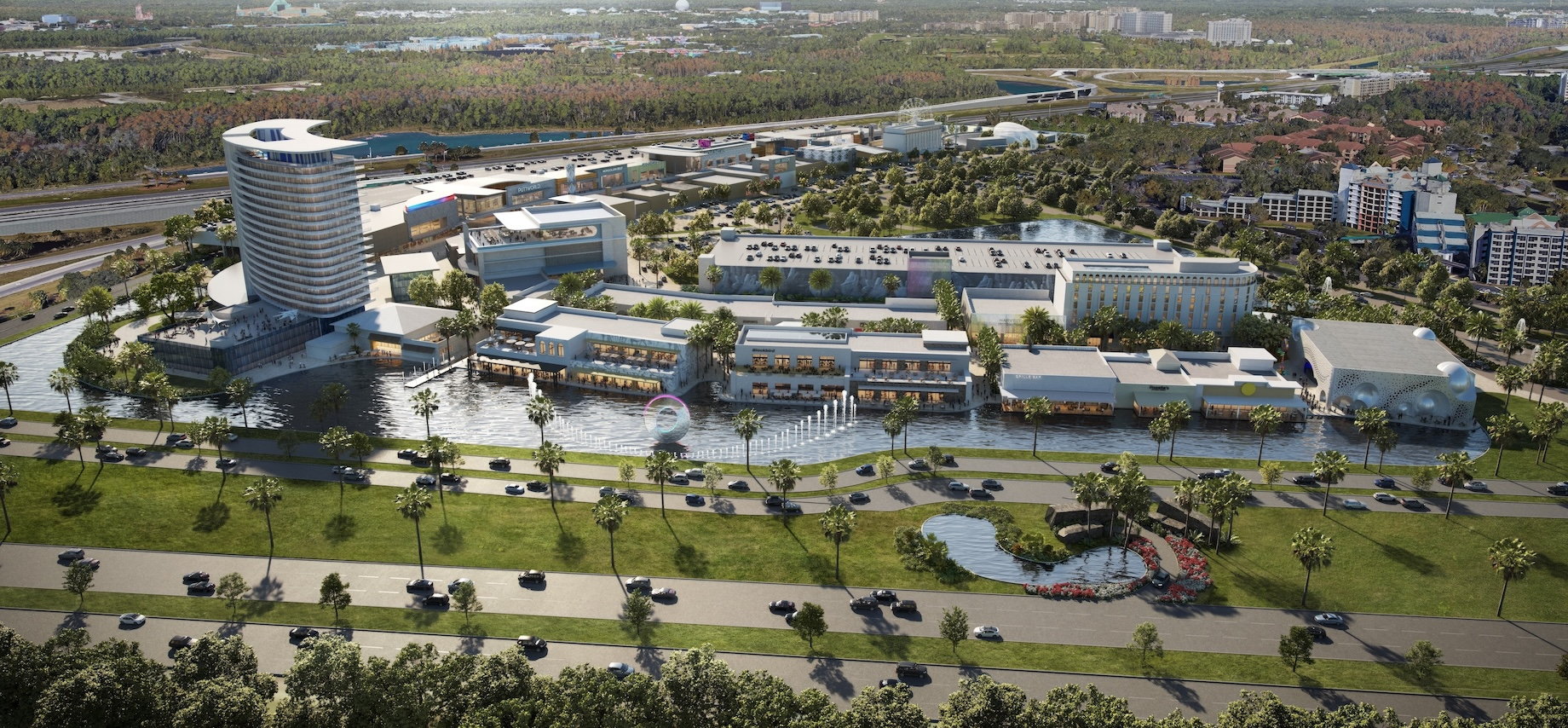
RSP Architects’ Nicolas Pinzon has seen firsthand how cultures in hot climates use vegetation, shade and water to create comfortable public spaces. He draws on those lessons in his current work on Florida projects like the mixed-use Ovation in Orlando. Image courtesy of RSP/Federal Realty Investment Trust
Art, Food and Commerce Can Inspire Better Retail Experiences
Contemplating her travel experiences, Lee pointed to unexpected benefits. Visiting Geneva’s Watches and Wonders event, she observed watch aficionados passionately discussing brands like Rolex, Omega, Patek Philippe, Breitling and Tag Heuer. “It made me realize in a much more profound and tactile way the value of these brands and their impact on that customer,” she said.
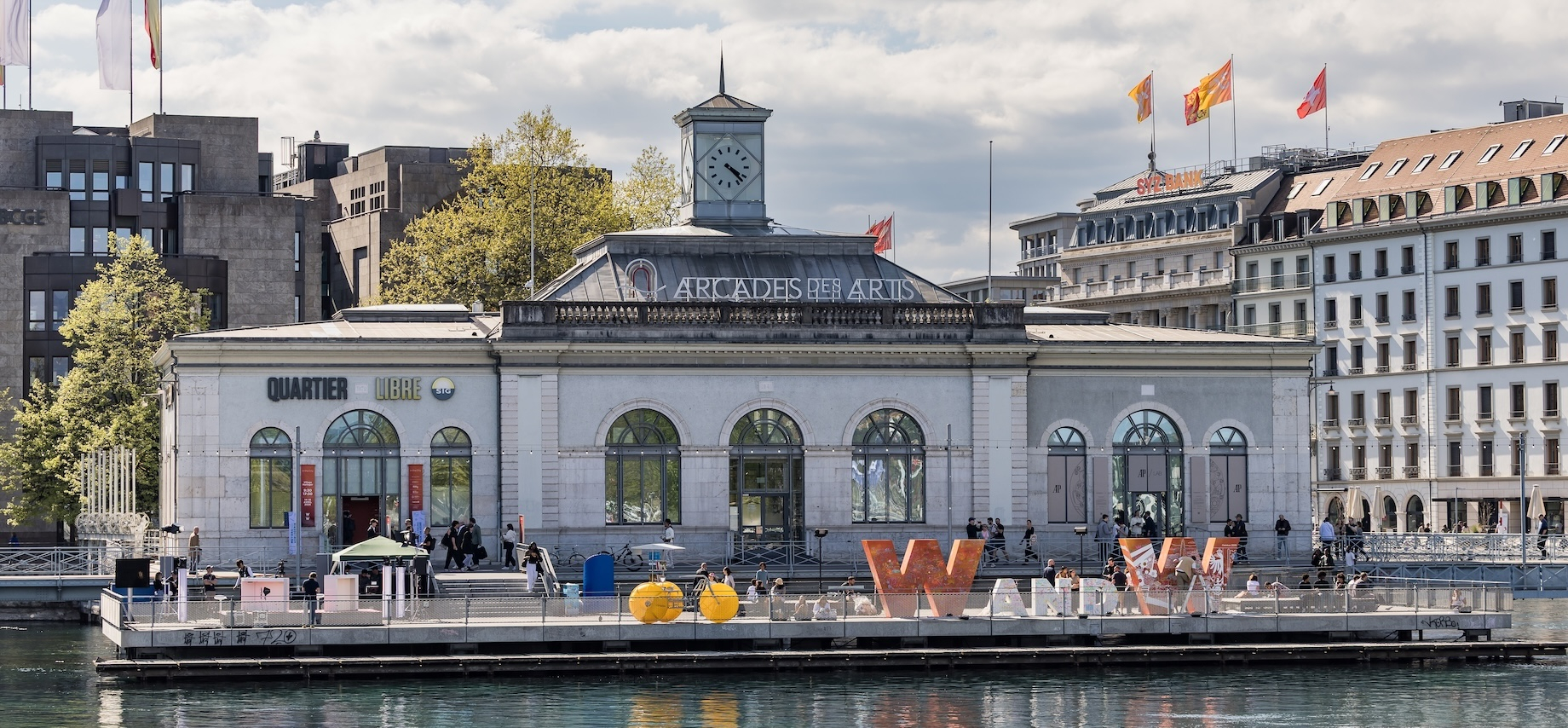
Giant “W and W” sculptures celebrated Geneva’s 2026 Watches and Wonders event in April. Photo above and at top courtesy of Watches and Wonders Geneva Foundation/Keystone/Pierre Albouy
Wandering into Ginza Tsutaya Books on the top floor of a Tokyo mall was another of Lee’s memorable experiences. “Everyone was drinking Blue Bottle Coffee, reading art books and sitting on high-design, modern furniture. It was gorgeous and a great reminder that bookstores can create incredible moments in a shopping center.” Experiences of art, culture, food and commerce in such locales, Lee said, are “like the magic pieces of life. When we take those inspirational pieces back to our daily life and our work, it can only translate into an improved experience at the center.”
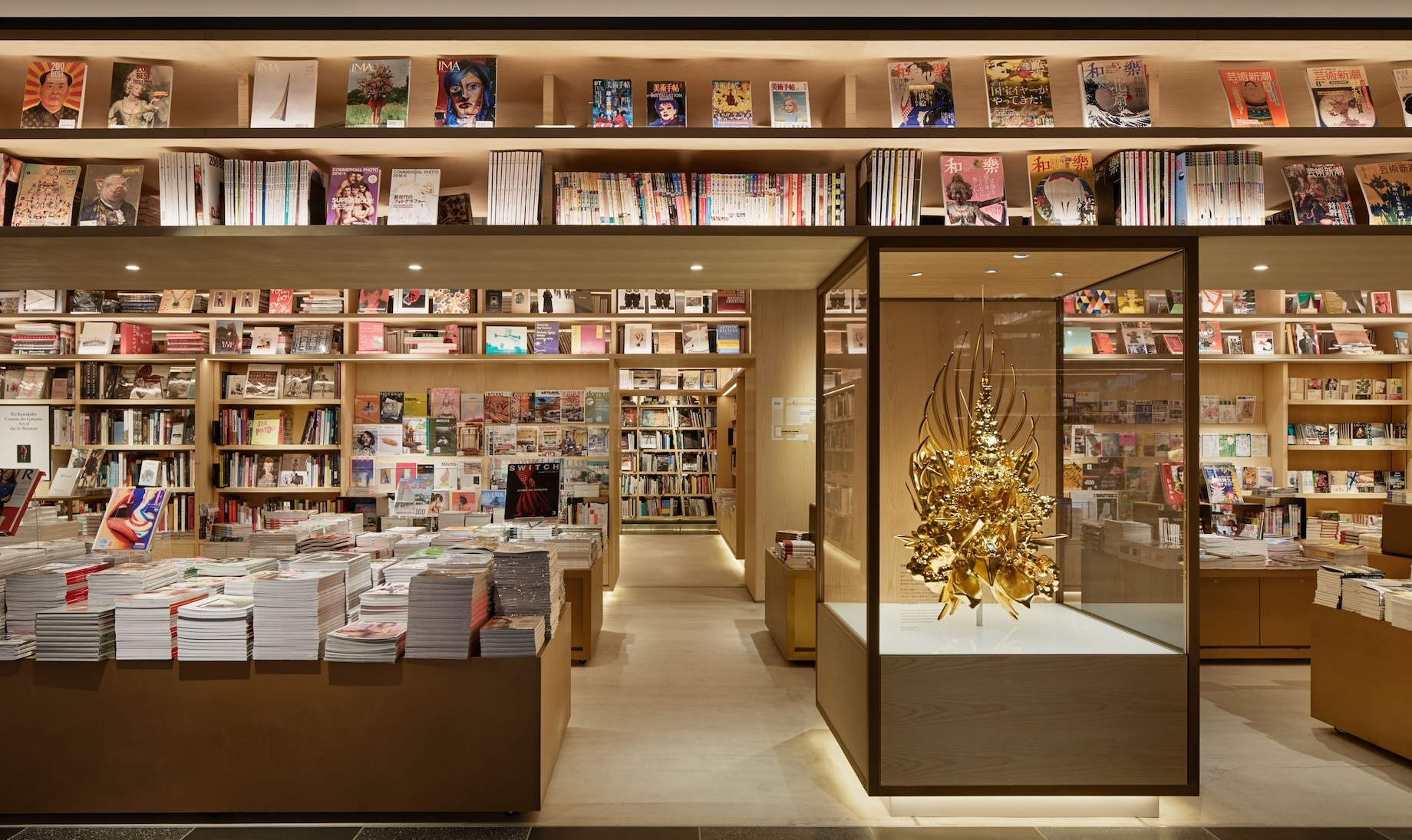
Ginza Tsutaya Books in Tokyo’s Ginza 6 mall reminded GGP’s Kirsten Lee that bookstores can create stirring experiences for shopping center visitors. ⓒ2017 Nacasa & Partners Inc. All rights reserved
By Joel Groover
Contributor, Commerce + Communities Today