A state appeals court has opened the door in California for anti-abortion activists to display graphic pictures on shopping center properties in plain view of customers.
On July 2 the state's 4th District Court of Appeal reversed a 2017 trial court order that had allowed Irvine Cos.' Fashion Island shopping center, in Newport Beach, and the Irvine (Calif.) Spectrum Center to bar pictures of aborted fetuses. Activists said they picketed those two centers because they allege that the parent companies of some stores there permitted businesses to donate to Planned Parenthood.
Writing for the majority, Justice David Thompson said the trial court erred in concluding that such restrictions on "grisly or gruesome” imagery were constitutional. He wrote that the appeals court agreed with the argument of the plaintiff, The Center for Bio-Ethical Reform, "that the restriction is content-based and does not withstand strict scrutiny."
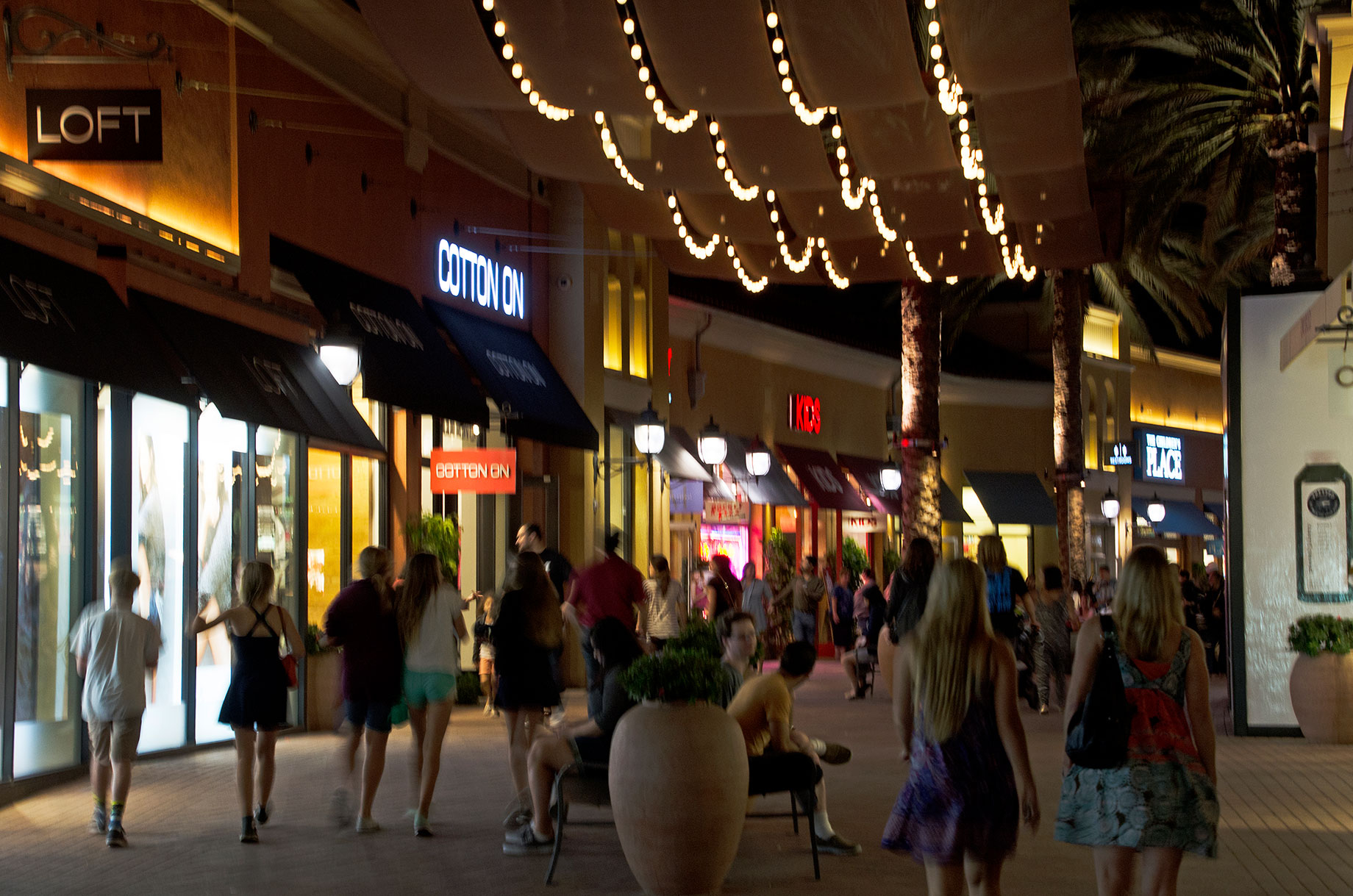
Irvine (Calif.) Spectrum Center
But the court left intact a ban on the use of body cameras as well as the limiting of protests to specific common spaces at retail centers, declaring those bans to be "content-neutral."
Though the protests were held on private property, protester speech on California shopping center properties is protected in certain common areas under the state constitution, supported by a 39-year-old U.S. Supreme Court decision.
“We feel this is a bad decision that sets a bad precedent, and we are now making decisions as to what to do next”
In 1980 the U.S. Supreme Court affirmed a California Supreme Court ruling in the case of Pruneyard Shopping Center v. Robins that favored a group of high school students who had solicited petition signatures at that Campbell, Calif., shopping center in opposition to a United Nations General Assembly resolution. That decision has since allowed protest and advocacy groups to convene in common areas of California centers that are designed for shoppers to congregate, such as plazas and food courts. It does not apply to open portions of centers intended to facilitate the movement of patrons to and from tenant spaces, including walkways, sidewalks and concrete aprons used for walking between parking lots and stores.
Though 39 other states now have free-speech constitutional clauses similar to California's, about one-third of them have declined to follow the state's extension of free-speech rights to private shopping centers.
Though ICSC has taken no formal position on the issue, the organization does support the general position that retail centers are private property and should therefore not be held to the same freedom of speech and assembly standards as public spaces, says Christine Mott, ICSC's general counsel.
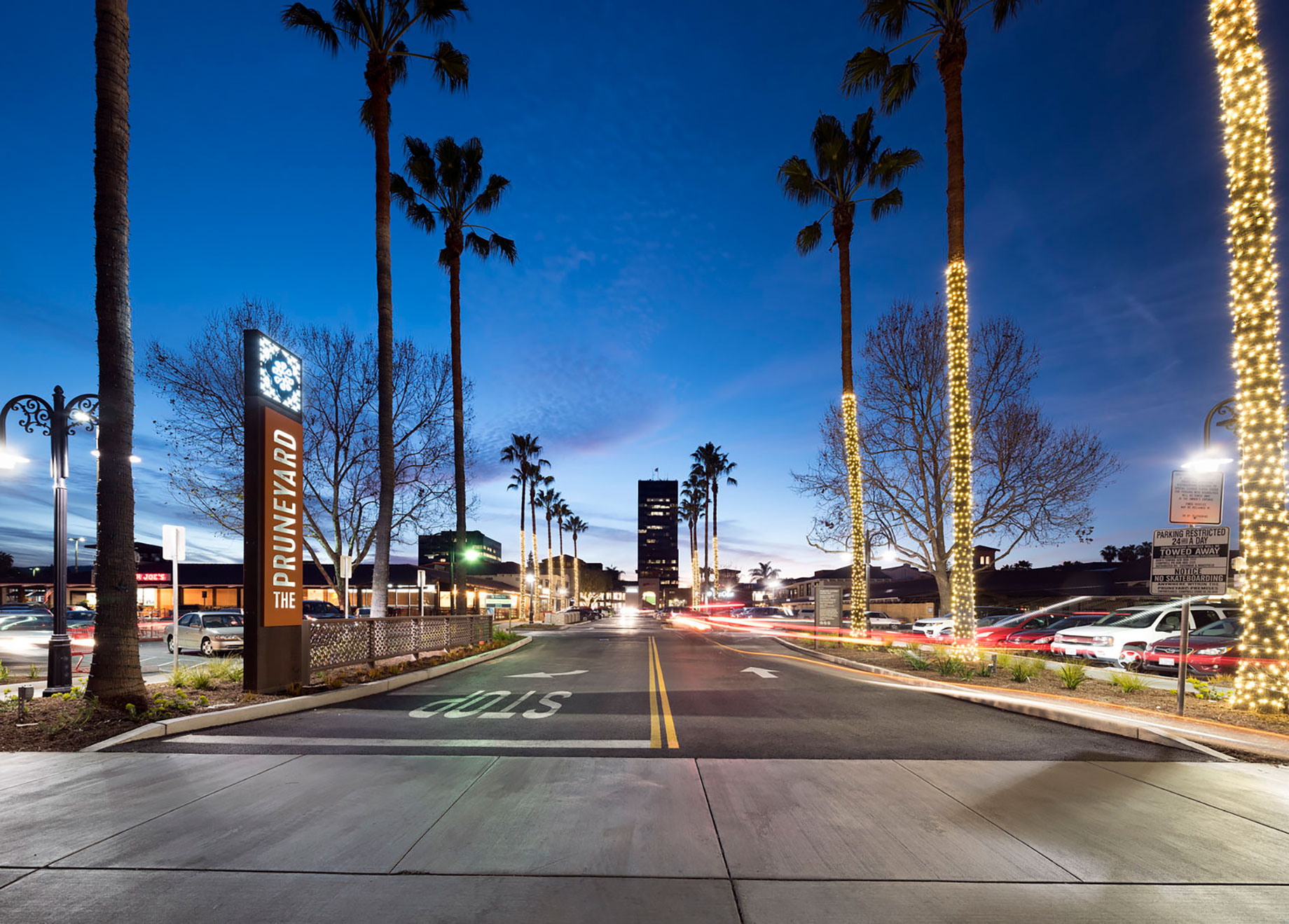
In 1980 the U.S. Supreme Court affirmed a California Supreme Court ruling in the case of Pruneyard Shopping Center v. Robins allowing advocacy groups and protesters to convene in such areas as plazas where shoppers congregate
Protests and advocacy efforts at other California shopping centers ending up in litigation have targeted such things as alleged puppy mills, alleged anti-union businesses and center patrons who were not religiously "saved."
Mounted protest signs at the two Irvine centers included photos of a 7-week embryo next to an aborted 8-week embryo.
Southern California–based Irvine deferred comment to the California Business Properties Association. Rex Hime, president and CEO of the association, calls the protesters’ graphics "gruesome and grizzly" and says they were upsetting to shoppers and workers. "We feel this is a bad decision that sets a bad precedent, and we are now making decisions as to what to do next," Hime said. The ruling could resonate across California and in other parts of country unless it is properly addressed, he says. "Once such a group gets a taste of victory in court, they're not inclined to stop."
Before the appeals court ruling, Irvine had increased the size and the numbers of designated areas in which such protests and related activities could take place, and also fixed the maximum number of people allowed in such designated areas.
Costco, whose California store properties were becoming sites of open political conflict during the late 1990s, succeeded in appellate court in limiting the number of days such groups could protest to only five days out of 30, and in restricting them completely on the 34 busiest shopping days of the year. Costco was able to prove in court that protesters had damaged its reputation, obstructed access to stores and traumatized employees. The U.S. Supreme Court declined to take up the case.
By Steve McLinden
Contributor, Commerce + Communities Today